Ari Taymor has his Fleeting moment
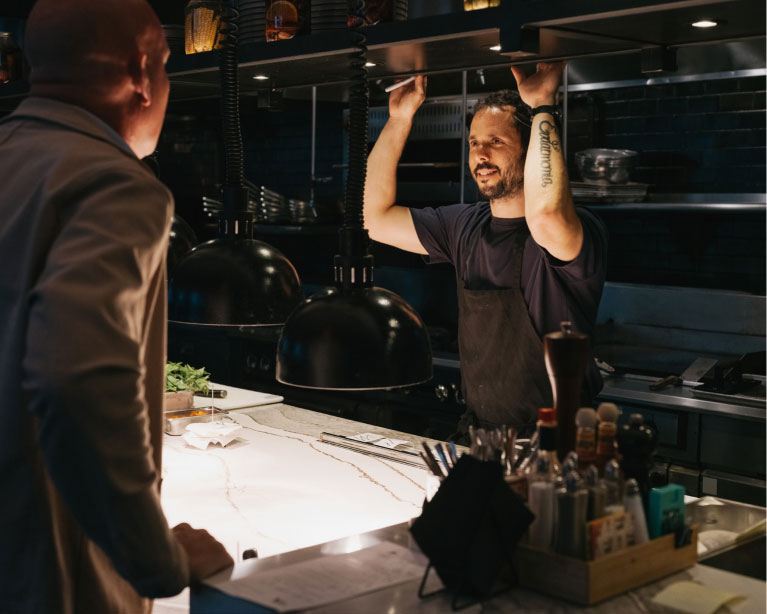
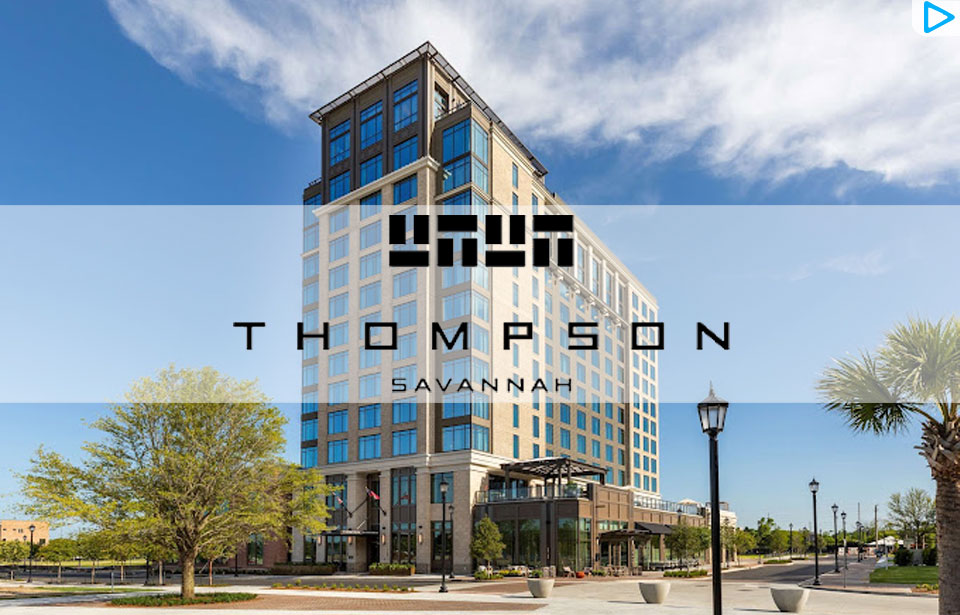
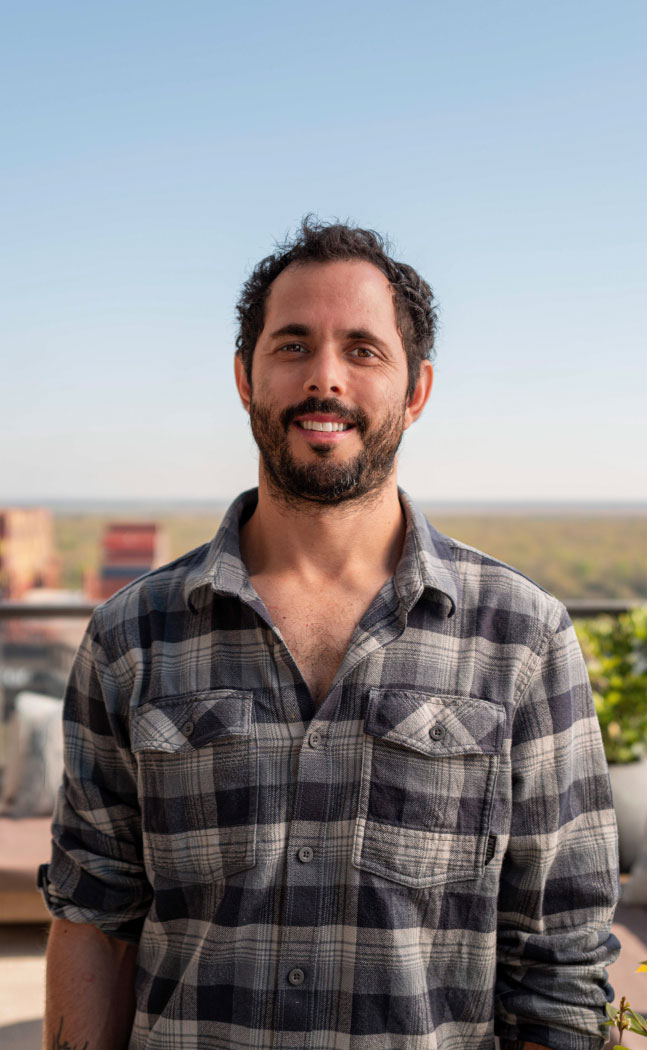
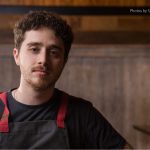
Savannah has quietly landed one of the most accomplished chefs in the country. Ari Taymor arrives at Fleeting in the Thompson Savannah with a résumé that reads more like Los Angeles than Savannah. His restaurant Alma was named Best New Restaurant in America by Bon Appétit. He was named a Food & Wine Best New Chef, earned two James Beard Award nominations, and built a reputation as one of the country’s most creative voices in market driven cooking.
Which raises a simple question. Why Savannah?
The first thing Taymor talks about is not food. It is music. Not technique, awards, or the years spent cooking in San Francisco, Napa, Europe, Los Angeles, and Miami. He talks about what a restaurant should feel like.
Trusted by 70,000+ Savannah Locals
Get the stories, restaurant discoveries, events, and insider recommendations that locals already rely on.
“It is not exactly what’s in there,” he says of a restaurant playlist. “It’s kind of the feeling that it generates and the mood that it produces. Wanting it to feel fun and lighthearted. Not taking ourselves too seriously.”
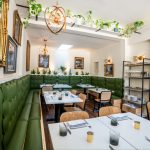
That answer tells you plenty about the chef now helping shape the culinary direction at the Thompson Savannah. Taymor understands restaurants are not simply about what lands on the plate. They are about the room, the energy, the conversations, the soundtrack, and the way a guest settles into a chair. In Savannah, a city where hospitality has always mattered, that understanding feels particularly relevant.
Taymor’s arrival here was his first real experience with the city. “I had none before here,” he says. “I came up for my interview and tasting. I was in Miami consulting for a few years and was looking for a real project again.” After years away from the daily rhythm of restaurant kitchens, he wanted to cook again.
What he found was a city at an interesting moment in its own culinary story.
Taymor began his career in San Francisco during a period when the Bay Area was helping redefine American dining. “It was a really cool moment in time for the Bay Area,” he says. “San Francisco was kind of the epicenter of food.” What impressed him was not simply ambitious cooking, but the ecosystem forming around it. “There were some really interesting high-end restaurants that were super creative. Not boundary pushing for the sake of boundary pushing, but really unique styles.”
That experience shaped the way he thinks about food cities. They are not created by one celebrity chef or one important restaurant. Someone raises the standard, cooks learn there, then eventually leave and build something of their own.
“You need that first place to set that standard,” Taymor says. “That’s how you get a real food culture.”
Savannah may be living through its own version of that process. For years, people came here primarily for the city itself, the architecture, squares, history, and hospitality. Then restaurants like The Grey proved nationally significant dining could happen here. Others followed. Young cooks developed, new chefs arrived, expectations rose, and somewhere along the way food became another reason to visit Savannah.
Taymor sees an advantage here that larger restaurant cities may have lost.
“What drew me to a town like this is that you can still generate word of mouth from friend to friend and neighbor to neighbor,” he says. “You don’t necessarily have that anymore in bigger cities.”
Savannah welcomes millions of visitors, but underneath all of that tourism it remains remarkably intimate. People talk. Recommendations matter. A restaurant can still build momentum because someone had a great dinner and told six friends.
“It was really important to have that intimacy with the guests.”
Then comes the distinction that may explain why Savannah appealed to him.
“They’re not coming in to check a box. They’re not coming in to see if something is worth the hype. They’re coming because they want to have an experience.”
At Bar Julian, one of his first projects after arriving, the goal was not reinvention. It was refinement. “We focused on its Mediterranean roots and brought some brightness and vegetables to the menu,” he says. “More diversity without making it feel like a chef restaurant.”
That last part matters. Taymor has spent much of his career around serious food, but he understands people do not necessarily want a lecture with dinner.
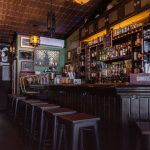
“It still needs to be a bar,” he says. “People want really craveable food. They don’t want to have to think about it too much.”
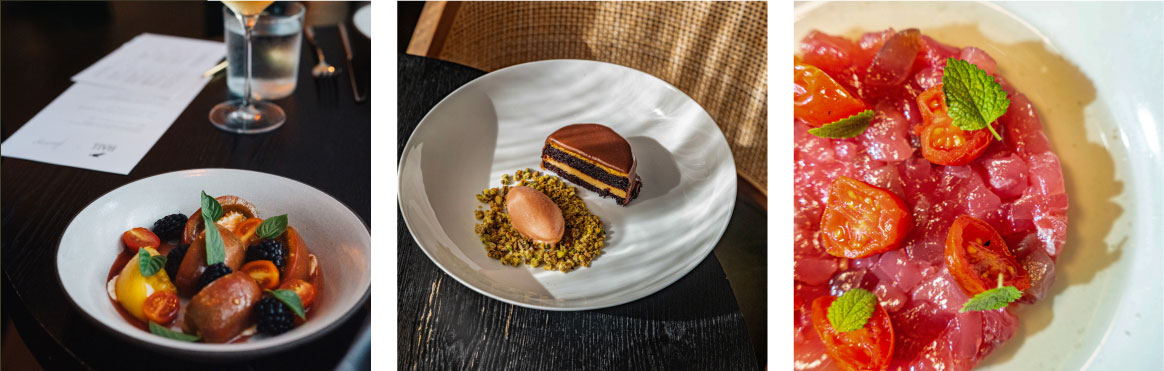
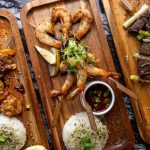
The same thinking appears in a lamb dish at Fleeting that borrows from flavors Taymor loves personally. “My food when I’m not working is a lot of Szechuan and Southeast Asian flavors,” he says. The dish brings together lamb, fermented vegetables, Szechuan peppercorns, and house made flatbread, but its real purpose is simpler. It encourages diners to reach in and eat.
“For me, to eat in a fancy restaurant and be encouraged to eat with your hands is really fun,” he says. “It removes that fine dining barrier.”
That idea feels larger than one plate. Savannah’s most interesting restaurants are increasingly serious about food without becoming overly serious about themselves. The cooking can be ambitious while the experience remains warm, social, and human.
For Taymor, that philosophy extends into the kitchen. Restaurant culture has changed dramatically during his career, and the era of celebrating endless hours and burnout is slowly disappearing. “It’s really about understanding the limits of your team,” he says. “How do we create an environment where people can work their shift, feel successful, feel like they did a great job, and still have a life outside of it?”
At forty, Taymor has already cooked in major food cities, built acclaimed restaurants, consulted, managed large operations, and watched trends come and go. Now he finds himself in Savannah, a smaller city still deciding exactly what kind of food destination it wants to become.
On paper, the move might seem surprising. After talking with him, it makes sense. The attraction was the chance to cook again, know the people sitting in the dining room, and become part of a food community still young enough that one restaurant can influence what comes next.
Savannah’s food scene is no longer simply trying to prove it belongs in the conversation. The more interesting question now is what
it becomes from here.
Ari Taymor came to Savannah at exactly that moment. And perhaps the most telling thing about him is that when you ask about building a restaurant, he starts by talking about the music.
By Brett Bigelow || photos by Alejandro Olaya Torres and Michael Hrizuk
About The Author
Brett Bigelow
Related posts:
 What to Do in Savannah, November 23 to November 29, 2026
 13 Secrets of Connection CHAD & MANU
 Dear Music Lovers,
 Put Your Stash to Work
 Drawn to the Sea
 Lil Wayne Brings the Carter Catalog
 The Space Between Things
 THE STORY BEHIND THE STORY
 Randy’s Barbeque
 The Talented Mr. Green
 The Way She Makes You Feel
 180 Million Reasons to Look Closer
 Around Mashama’s Table
 Dear Enmarket Arena,
 Hannah Dasher Knows Exactly Where She’s From
 Building the Place People Come Back To
 Late Night Crossroads: Fancy Parker’s Market
 Meet The Baker’s: Brochu’s Family Tradition
 Peacock Lounge
 BAZAAR BY SHOPSCAD IS GIVING SAVANNAH A FRONT ROW SEAT TO SCAD TALENT
 E-Tang and the Rise of the Soup Dumpling
 Strangebird Returns
 Dear Charleston,
 America’s Umpire
 HOW SOBREMESA FOUND ITS SHAPE
 Bar Bibi at Hotel Bardo
 Black Rabbit and the Quiet Art of Staying Put
 FARM: Savannah’s Favorite Neighborhood Restaurant in Bluffton
 The Art Of Creation
 Heeler Supper Club: A Secret Table in Starland Worth Finding
 Savannah did not always see itself as a serious food city.
 The Long Way Back to the Lights
 Bread Trust and the Work of Carrying on.
 THE MARTHARITA: HOW A DRINK BECOMES FOLKLORE
 SMF the image of the Sinisa Ciric
 Fishbar: living by the fire
 My Father’s Camera
 Matt & Jane: Savannah Wants Both!
 Coffee Shop imagination
 A Day in Starland w/ Josephine Johnson
 Dibs! We Call Jingle Bells!
 A Portrait of Persistence: The Art of Jayce Hall
 Darling Oyster Bar
 The Art of Creation
 Lucia Pasta Bar & The Art of Feeling Right at Home
 Broughton Street Revival
 Untitled Bar
 The Ice Tub Club
 Salt, Soul, and Sea Wolf
 Randall Patrick
 Meet Chef Chino
 Susanna Kennedy Mesmerizing
 Savannah Photo Club: Like a community focused on love and family.
 Striking Creativity with Vintage Matchbook Art
 From Afghanistan to SCAD: Afghan Sisters Escape Taliban in ‘One Step Away.’
 Savannah Shows Up: How this new restaurant was welcomed with open arms
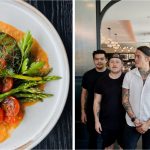 Pop Up Revolution: Inside Fleeting’s ever changing table
 COMMON THREAD & Savannah’s Culinary Awakening
 Savannah’s Coolest Block
 Municipal Grand: Savannah’s New Living Room
 Why does Savannah Made Simple Magazine exist?
 SCAD Savannah Film Festival Wraps Another Incredible Year
 Savannah For Morons: The Comedy Trolley Tour That Will Have You in Stitches
 Bleak, Beautiful, and Honest: Randall Patrick’s Savannah
 After Last Call: Savannah’s Late Night Savior
 Savannah’s Culinary Revolution: Fleeting’s Guest Chef Pop-Ups
 Birria Beyond Borders: How One Spot in Savannah Became a Culinary Crossroads
 Foxtail Coffee Co. Opens in Savannah
 Beneath the Surface: How Bowl & Brew is Redefining Broughton Street entertainment
 Savannah Showed Up: How this new restaurant was welcomed with open arms
 From peaches to oysters? Georgia’s newest culinary trend.
 Brochu’s Sour Hour: Where hip, fun, and food collide
Categories: Article
Tags: , #Georgia, #Savannah GA, #Savannah Tourism, #Visit Savannah, Savannah Georgia