

The Way She Makes You Feel
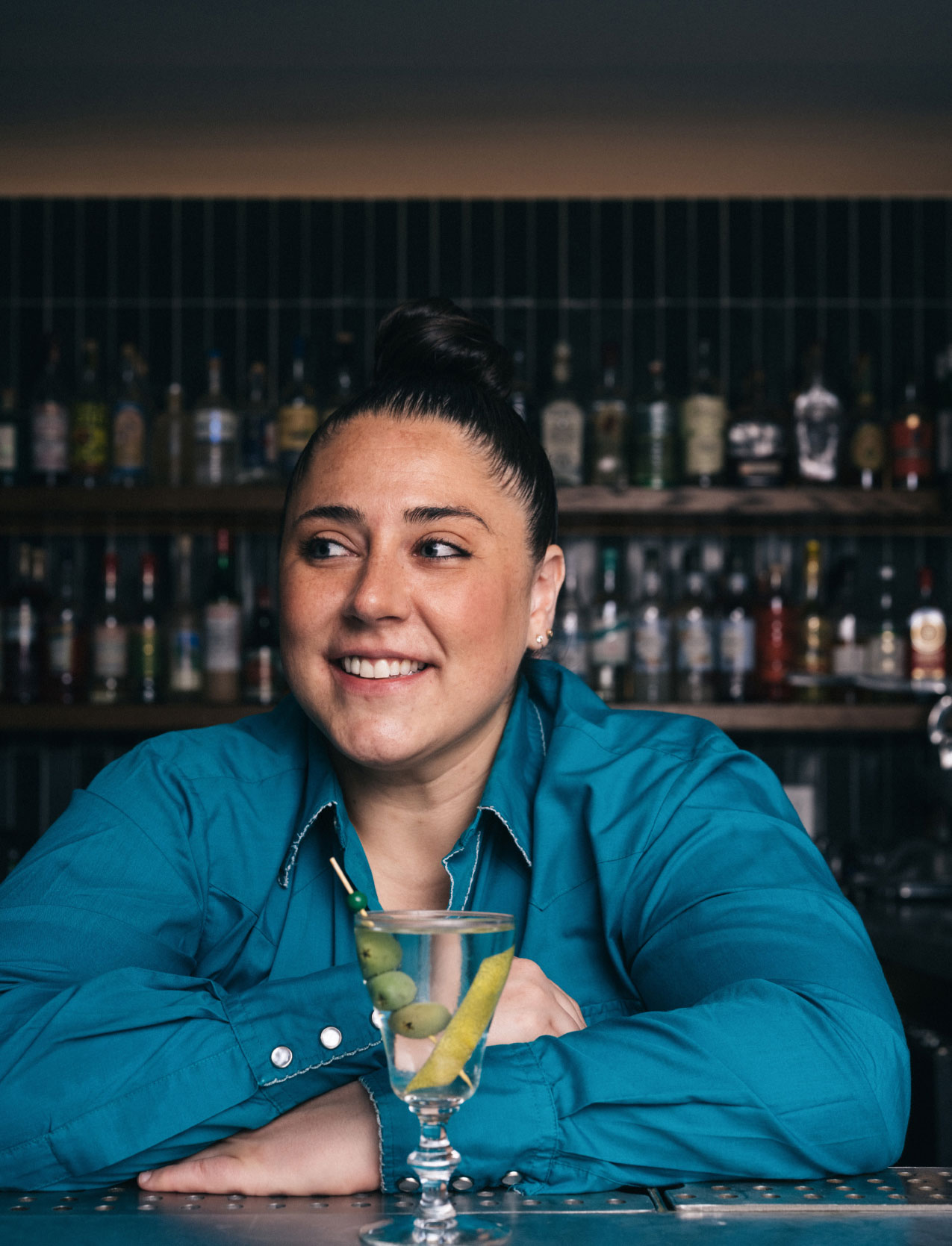
Ashley Simeone is sitting in Municipal Bar talking about flavor, but the longer she talks, the more obvious it becomes that flavor is only part of the thing. The drink matters. The texture matters. The cold glass, the lemon oil, the bubbles, the herbs, the salt, the snap of something bright against something fatty. She can talk about all of it with precision.
But when you ask her what matters more, the drink or the way people feel when they sit down across from her, she does not even pretend to think about it.
Trusted by 70,000+ Savannah Locals
Get the stories, restaurant discoveries, events, and insider recommendations that locals already rely on.
“The way you make people feel, always,” she says. “Because nobody really cares about what you’re doing creatively, when it comes down to it. It’s always the one on one interaction.”
That is the thing about Ashley. She has talent, real talent, the kind that shows up in a wet gin martini with orange bitters, a fat lemon twist, and an olive dropped in like a quiet little dare. But the reason people talk about her is not just because she knows what tastes good. It is because she makes people feel good. Fast. Naturally. Without announcing that she is doing it. Across the bar, she has that rare hospitality gift of making the exchange feel personal before it has any right to feel personal.
You sit down for a drink, and before long you are talking about Waffle House, hangovers, oysters, childhood, God, Savannah, and whether a martini belongs at breakfast.
“I make flavors for a living,” she says, “so like I’m always looking to excite myself, and if I’m excited, I can tell somebody else about it, hopefully in an exciting way, and that excitement can build, but it’s always about people.”
That line is the map. Flavor is the tool. People are the point.
Ashley loves herbs and fruit, clean flavors, old pairings that still work, and new combinations that make her wake up a little. She talks about fig leaf the way someone else might talk about a good song, how it reminds her of coconut but gives her something more interesting to chase. “I think that I’m always looking for something that I haven’t seen together,” she says.
“There are flavor pairings for a reason, like passion fruit and lime are perfect together, coconut and pineapple are perfect together for a reason, but fig leaf is very similar to coconut, and if you can put that in something where you would find coconut, then I get more excited about that.”
She says she likes flavors, and then she corrects the whole room by explaining what that actually means. It is not just sweet, sour, bitter, salty. It is memory. It is texture. It is the way something cold and crisp can change your mood.
“Surprisingly, you think like drinks are just liquid, right?” she says. “But there is a texture in drinks, and it’s like the viscosity of it, the bubbles, there’s all these different kind of texture elements that you can pull in.”
Food, for her, needs the same kind of movement. “There needs to be like crunchy, creamy, crisp, fresh, bright, snappy, like all that stuff, that’s what I care about.”
Her death row drink is not some overwrought cocktail with ten ingredients and a smoke show. It is a gin martini, wet, specific, and unapologetically classic. ” A gin martini, since we’re being specific,” she says. “Orange bitters, I like it really wet with a lot of vermouth. Sometimes I’ll blend of dry and blanc vermouth, any gin, and then stir it. Give me a nice fat twist with all the lemon oil expressed, and then olive, and that’s perfect.”
Then she says the line that explains why classics survive trends, menus, concepts, and every bartender’s urge to reinvent the wheel.
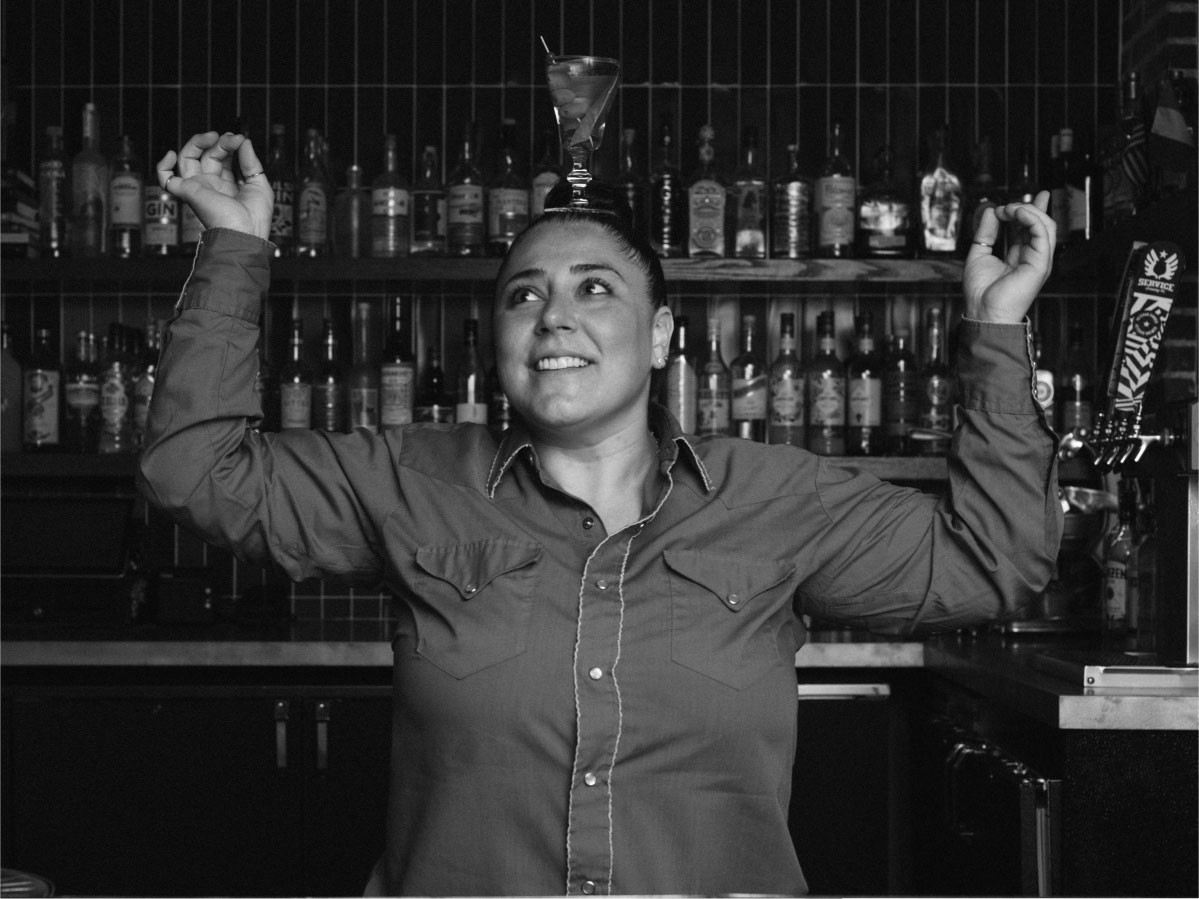
“Classics are classic for a reason.”
That same instinct carries into food and drink pairings. Ashley is not interested in forcing cleverness where something already works. “I don’t think you need to reinvent the wheel in food and cocktail pairings,” she says. “Gin martinis and french fries or caviar or something like that, like that food just goes together, salty, herbal, crisp, tart. Champagne and fried chicken. I mean, there’s quintessential food and drink pairings that are just, you don’t mess with them.”
It is a refreshing thing to hear in a city full of ambitious rooms and ambitious menus. Sometimes the smartest move is knowing when not to touch something.
And then there is Waffle House.
Ashley lights up at the mention of it, not ironically, not as some performance of Southern credibility, but with full conviction.
“Waffle House is 10 out of 10, 30 out of 10,” she says.”
Well, I’m from Georgia. I grew up in Georgia. It’s so nostalgic. I think they do something consistently good.”
That word, consistency, matters to her. She sees the same thing in bartending, the nightly rhythm of people needing something from you, the chaos, the reset, the next shift waiting. “Much like a bartender, they deal with a lot of crazy stuff, and just the next day is another day,” she says. “Every night there’s a fire to put out, and the next day there’s a service to go into.”
The nostalgia matters too. Ashley understands that taste is never just taste. It is place. It is time. It is who you were when you first loved it.
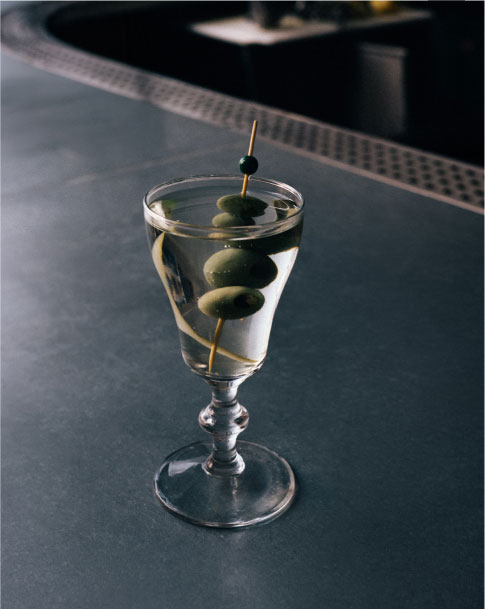
“Always like the taste of nostalgia,” she says. “If you can make somebody taste their grand-parents, whatever, nostalgia always wins. It’s one of the best compliments I can ever get. Is that this reminds h of something from my childhood, or my grandparents, or whatever.”
That is one of the more honest things anyone can say about hospitality. The highest compliment is not always that something is new. Sometimes it is that it brings you back.That may be why Savannah fits her so well. She comes from a family of extroverts, though she laughs at the idea of being one herself. “I think I’m the quiet one in the family,” she says.
But quiet, in Ashley’s case, does not mean disconnected. She grew up watching people move through the world with ease, knowing everyone, talking to everyone, making rooms feel less foreign.
Somewhere along the way, that became part of her own language.
“I try to treat people the way I would want to be treated, the golden rule,” she says. “And I like community, I like roots, I like being interwoven in the community everywhere I go. I want to see people that I know, have a history with people. It makes me feel safe and happy. Honestly.”
That is probably the heart of the whole story.
“It makes me feel safe and happy.”
She says it simply, but it lands. For Ashley, Savannah is not just pretty streets, old buildings, and good restaurants.
It is the weave. The familiar faces. The way people know one another from the bar, the oyster farm, the restaurant, the coffee shop, the party, the next thing, and the thing after that. It is a city where the loops keep closing in surprising ways, and for someone who cares about roots, that matters.
“It’s just a fun full circle of all of this,” she says.
That is the Savannah Ashley lives in. Not the postcard version, and not the polished tourism version, but the working, eating, drinking, talking version.
The version where somebody walks through town at 10 in the morning with two beers in his hand because vacation has officially started. The version where local clams become a conversation worth chasing. The version where a bartender knows the oyster farmer, the regular knows the chef, the writer knows the bartender, and ú seems one introduction away from becoming part of the same table.
Ashley knows a great night in become a terrible morning. She also knows some nights become part of your personal mythology, the ones you still talk about years later because they meant something.
“Do you find that the memories of what led to the hangover are more valuable to you, but the hangovers do act as a warning sign?” she asks.
It is funny because it is true. The story and the consequence arrive together.
By the end of the conversation, what stays with you is not one drink, one pairing, or one perfect line about martinis and french fries. It is Ashley’s whole way of seeing hospitality.
In Savannah, that kind of person matters. The city is full of restaurants and bars, but the places people return to are the ones where somebody makes them feel seen. Ashley Simeone does that. She builds a drink, but she also builds the room around it, one small interaction at a time. The herbs, the fruit, the bubbles, the lemon oil, the salt, the cold glass, all of it matters.
But as Ashley says, and as anyone who has sat across from her can feel, “it’s always about people.”
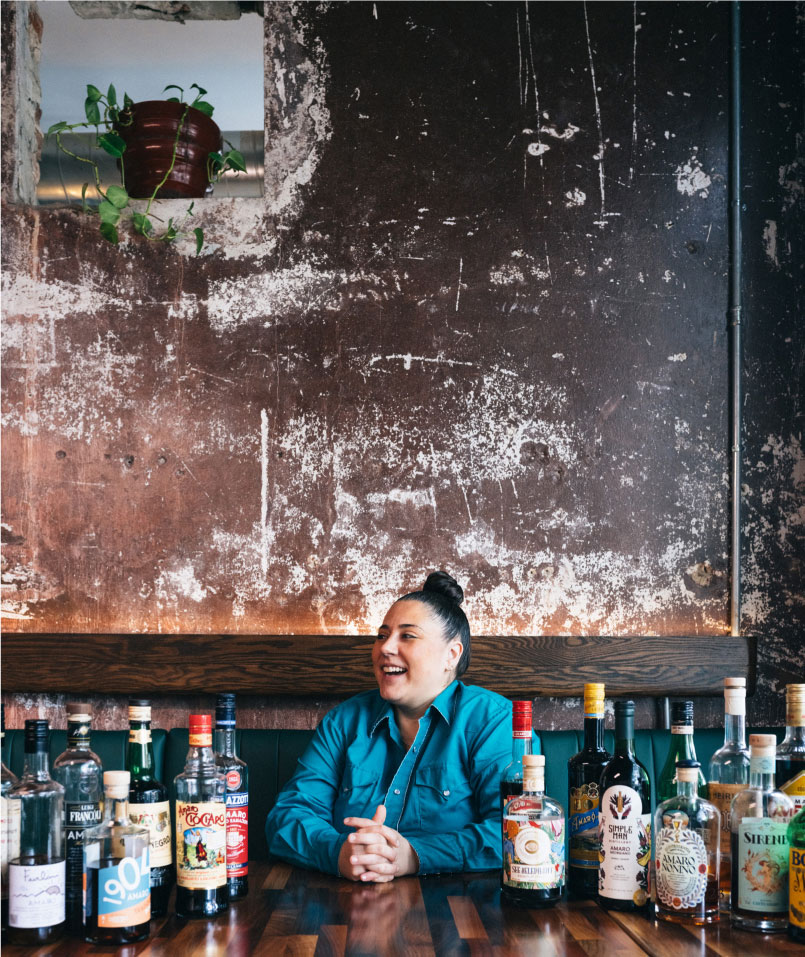
By Brett Bigelow || Photos by Alejandro, Olaya Torres
>
About The Author

Brett Bigelow
Related posts:
 The Cats Are in Charge
 Jim Messina plays District Live
 What to Do in Savannah, October 12 to October 18, 2026
 Drawn to the Sea
 Lil Wayne Brings the Carter Catalog
 The Space Between Things
 THE STORY BEHIND THE STORY
 Randy’s Barbeque
 The Talented Mr. Green
 180 Million Reasons to Look Closer
 Around Mashama’s Table
 Dear Enmarket Arena,
 Hannah Dasher Knows Exactly Where She’s From
 Building the Place People Come Back To
 Late Night Crossroads: Fancy Parker’s Market
 Meet The Baker’s: Brochu’s Family Tradition
 Peacock Lounge
 BAZAAR BY SHOPSCAD IS GIVING SAVANNAH A FRONT ROW SEAT TO SCAD TALENT
 E-Tang and the Rise of the Soup Dumpling
 Strangebird Returns
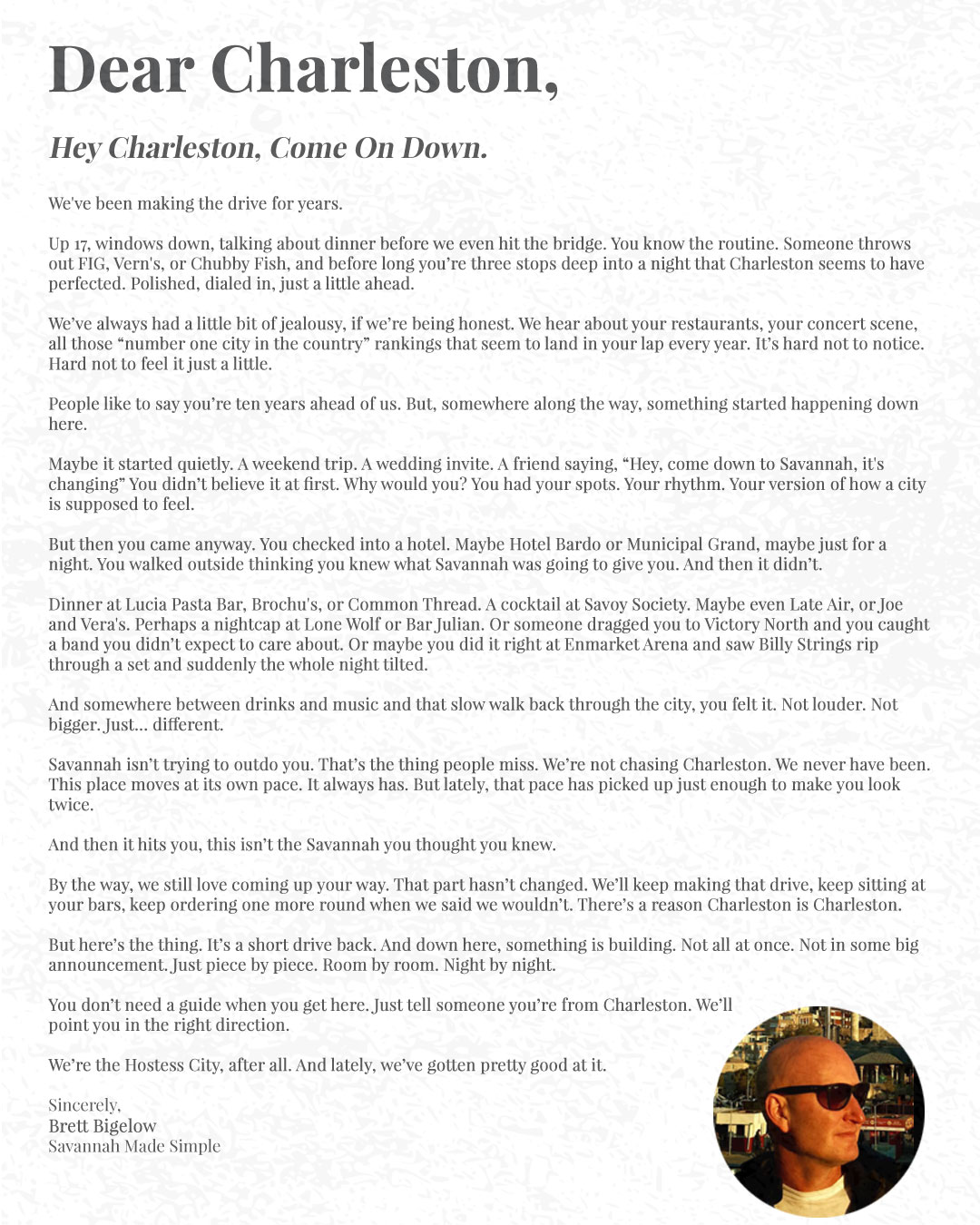 Dear Charleston,
 America’s Umpire
 HOW SOBREMESA FOUND ITS SHAPE
 Bar Bibi at Hotel Bardo
 Black Rabbit and the Quiet Art of Staying Put
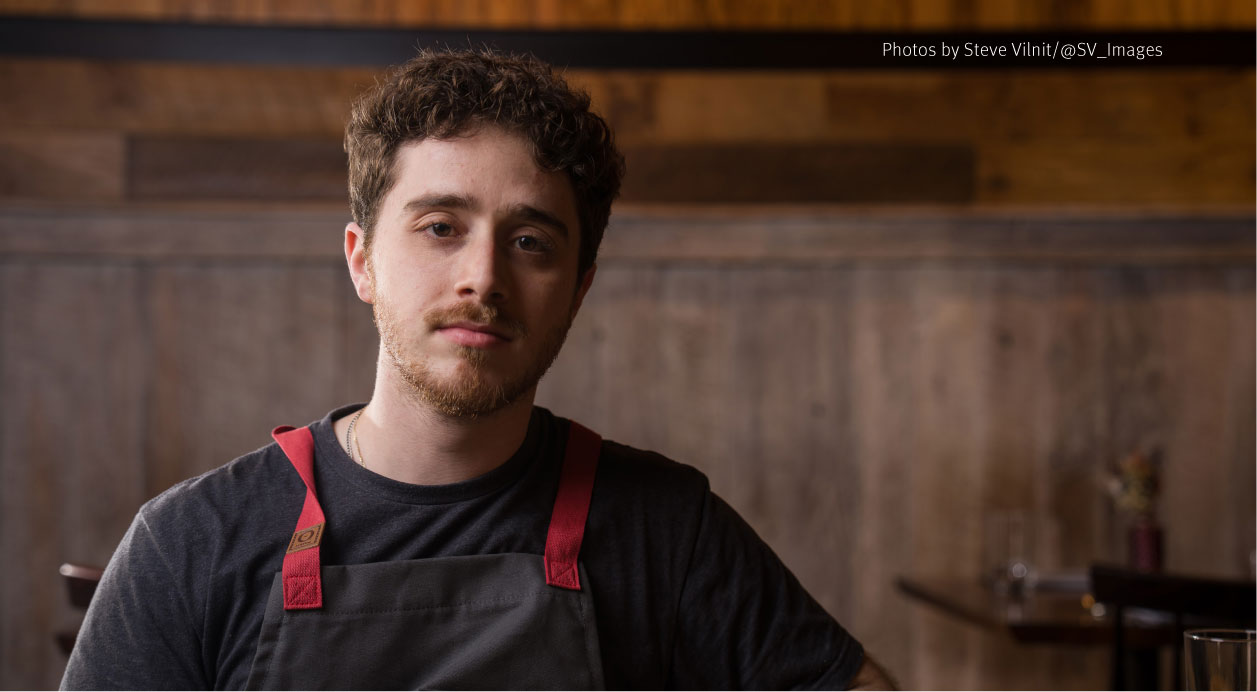 FARM: Savannah’s Favorite Neighborhood Restaurant in Bluffton
 The Art Of Creation
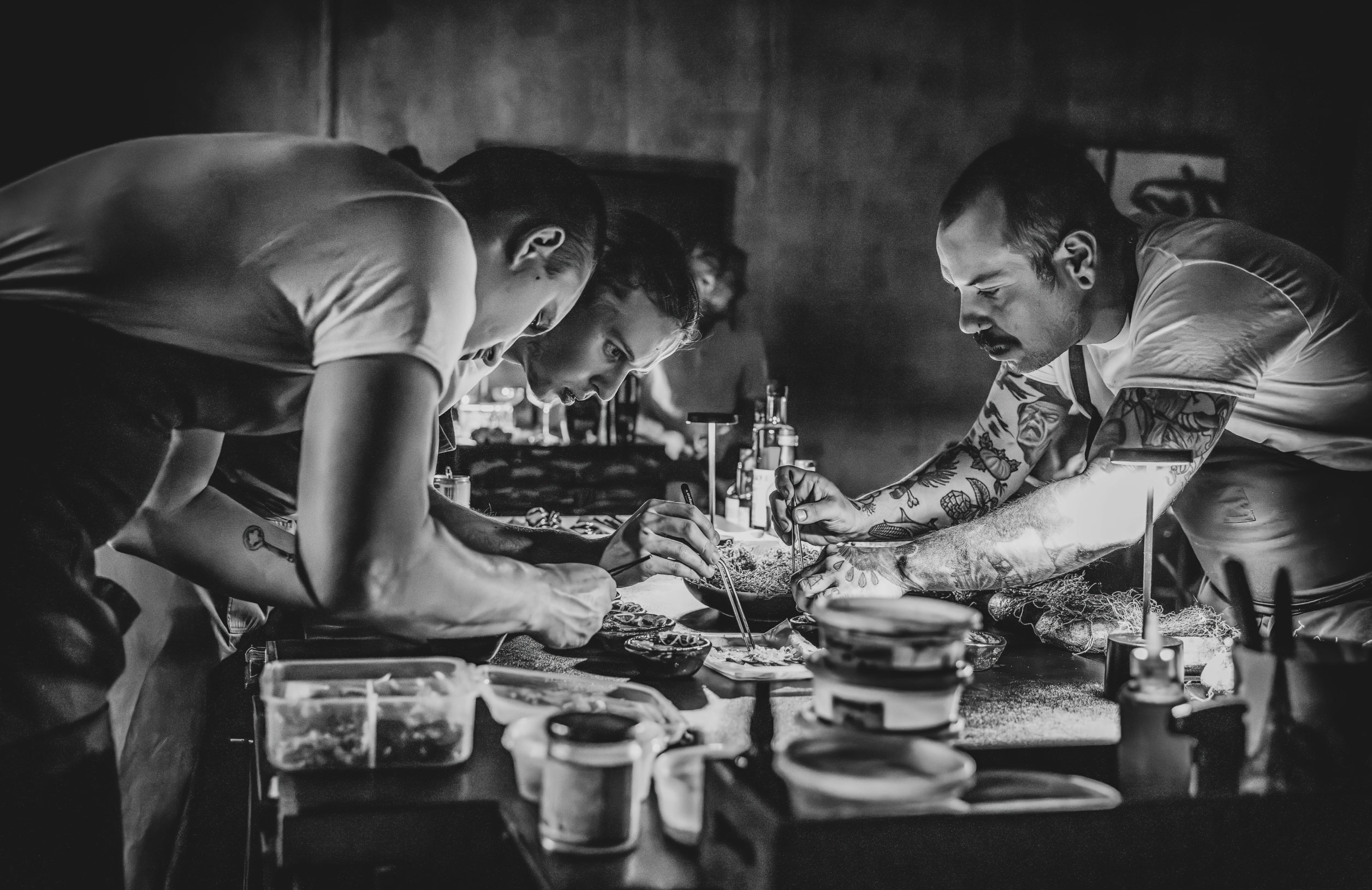 Heeler Supper Club: A Secret Table in Starland Worth Finding
 Savannah did not always see itself as a serious food city.
 The Long Way Back to the Lights
 Bread Trust and the Work of Carrying on.
 THE MARTHARITA: HOW A DRINK BECOMES FOLKLORE
 SMF the image of the Sinisa Ciric
 Fishbar: living by the fire
 My Father’s Camera
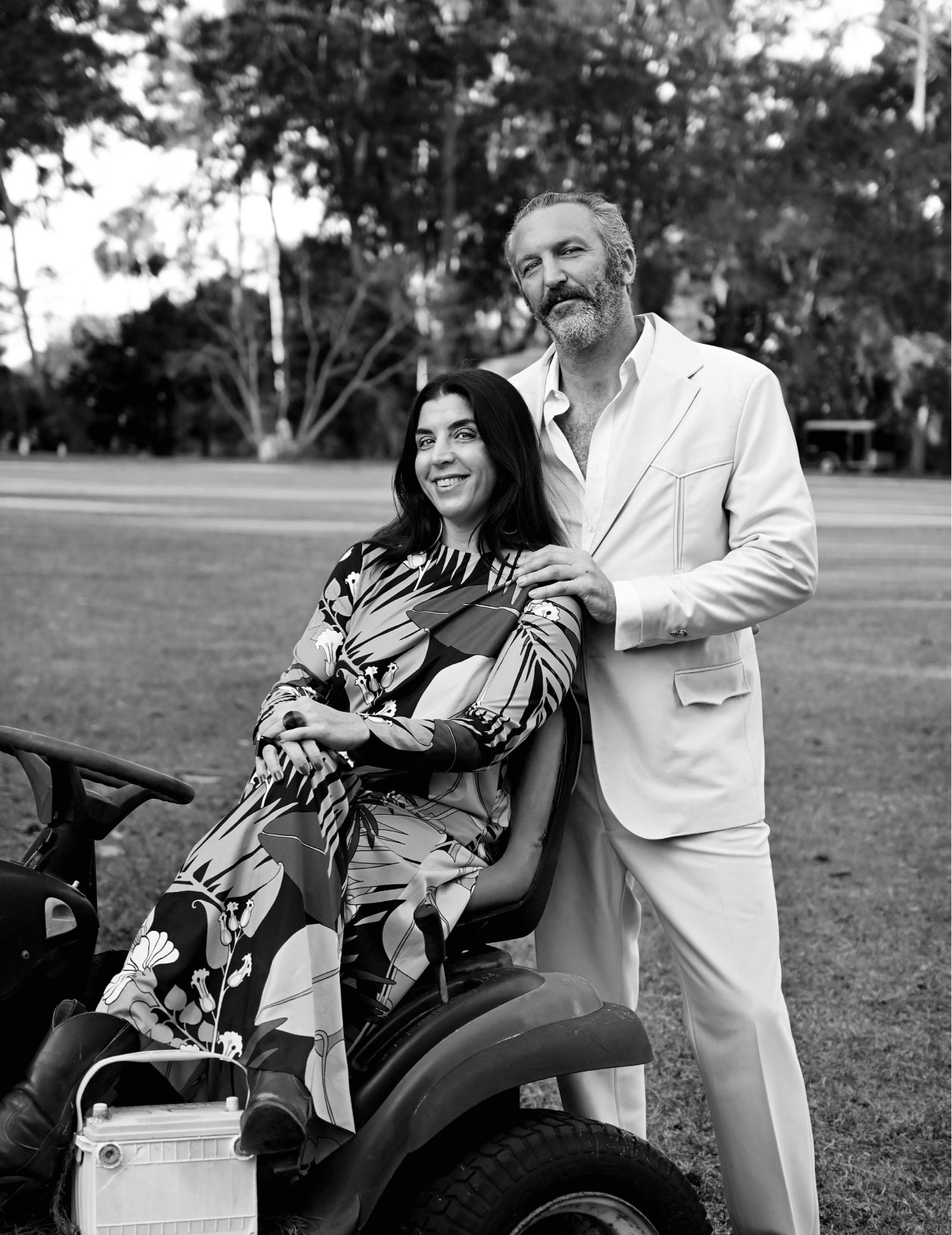 Matt & Jane: Savannah Wants Both!
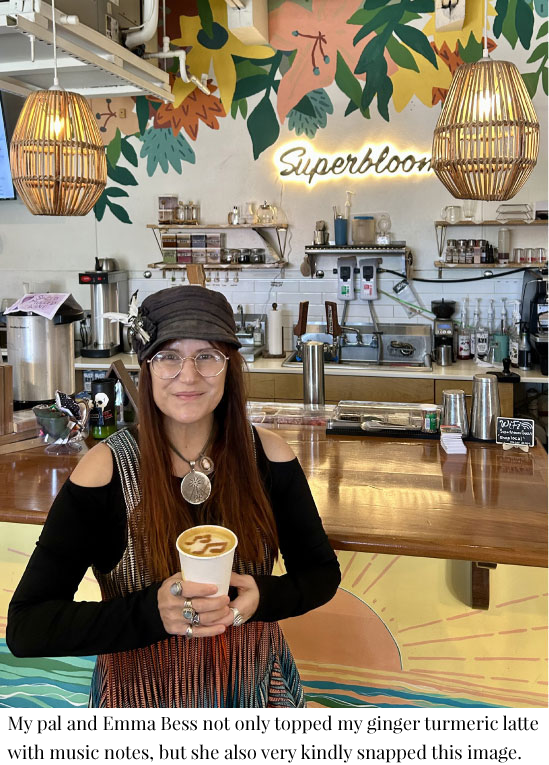
 Coffee Shop imagination
 A Day in Starland w/ Josephine Johnson
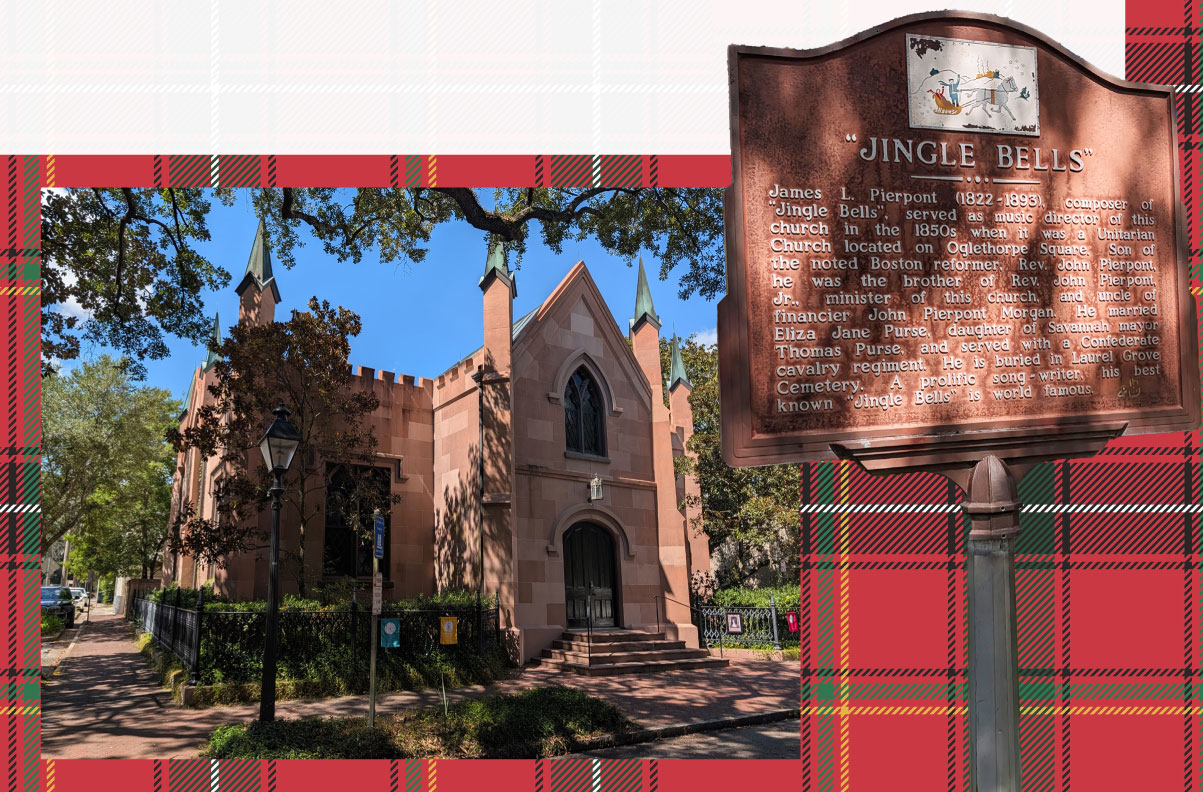 Dibs! We Call Jingle Bells!
 A Portrait of Persistence: The Art of Jayce Hall
 Darling Oyster Bar
 The Art of Creation
 Lucia Pasta Bar & The Art of Feeling Right at Home
 Broughton Street Revival
 Untitled Bar
 The Ice Tub Club
 Salt, Soul, and Sea Wolf
 Randall Patrick
 Meet Chef Chino
 Susanna Kennedy Mesmerizing
 Savannah Photo Club: Like a community focused on love and family.
 Striking Creativity with Vintage Matchbook Art
 From Afghanistan to SCAD: Afghan Sisters Escape Taliban in ‘One Step Away.’
 Savannah Shows Up: How this new restaurant was welcomed with open arms
 Pop Up Revolution: Inside Fleeting’s ever changing table
 COMMON THREAD & Savannah’s Culinary Awakening
 Savannah’s Coolest Block
 Municipal Grand: Savannah’s New Living Room
 Why does Savannah Made Simple Magazine exist?
 SCAD Savannah Film Festival Wraps Another Incredible Year
 Savannah For Morons: The Comedy Trolley Tour That Will Have You in Stitches
 Bleak, Beautiful, and Honest: Randall Patrick’s Savannah
 After Last Call: Savannah’s Late Night Savior
 Savannah’s Culinary Revolution: Fleeting’s Guest Chef Pop-Ups
 Birria Beyond Borders: How One Spot in Savannah Became a Culinary Crossroads
 Foxtail Coffee Co. Opens in Savannah
 Beneath the Surface: How Bowl & Brew is Redefining Broughton Street entertainment
 Savannah Showed Up: How this new restaurant was welcomed with open arms
 From peaches to oysters? Georgia’s newest culinary trend.
 Brochu’s Sour Hour: Where hip, fun, and food collide
Categories: Article
Tags: , #Georgia, #Savannah GA, #Savannah Tourism, #Visit Savannah, Savannah Georgia