
THE STORY BEHIND THE STORY
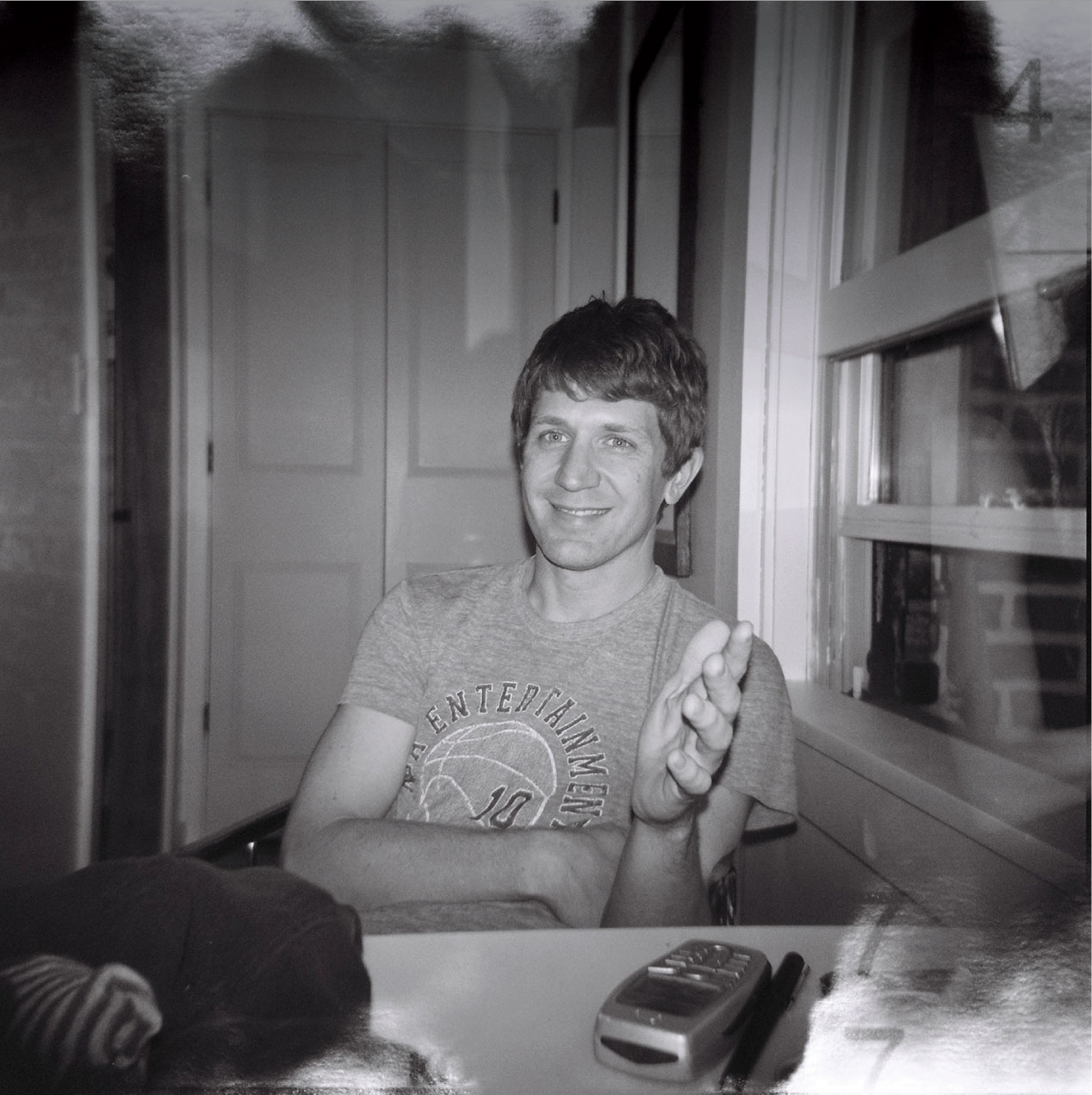
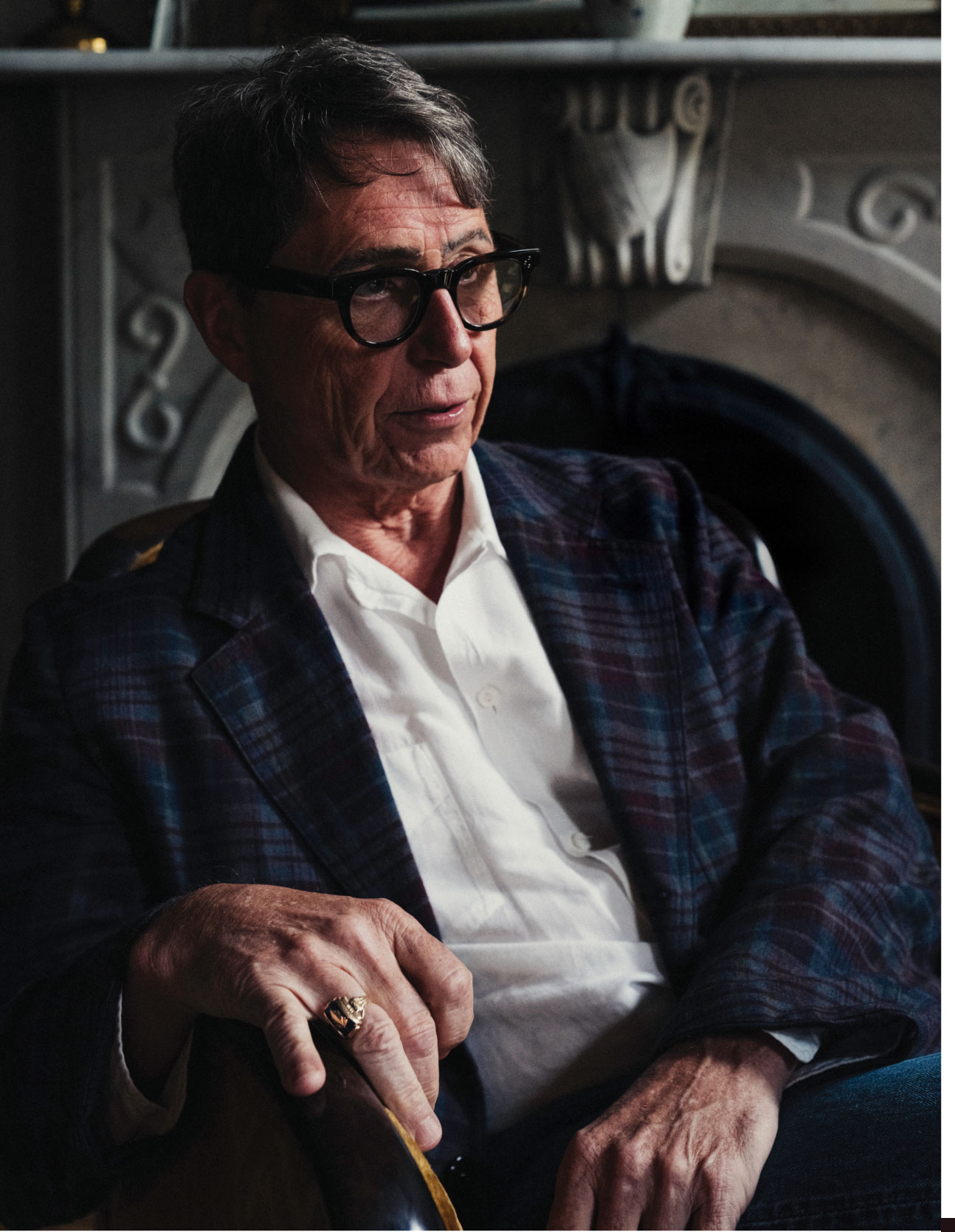
THE FUNNY THING about meeting Peter Relic is that it takes a while before you realize who you’re talking to. The conversa-tion starts with coffee, rain, and a joke about Stevedore’s name. Outside the coffee shop’s windows, Eastern Wharf disappears behind a summer downpour. Inside, Relic is telling stories.
One minute we’re talking about Savannah. The next we’re in Los Angeles in the 1990s. Then we’re inside the offices of VIBE magazine. Then we’re talking about Eminem before the world knew who Eminem was. Then Serena Williams. Then SCAD students. Then a song called “Bust a Move” that was recorded over a used refrigerator in a rough part of Hollywood and somehow helped change the trajectory of hip–hop. Relic tells these stories the way some people talk about the weather. Casual.
Trusted by 70,000+ Savannah Locals
Get the stories, restaurant discoveries, events, and insider recommendations that locals already rely on.
Unforced. As if everyone spent the 1990s in the middle of the golden age of music journalism. Today, he as a public relations writer at SCAD, where he spends his days telling stories about artists, designers, filmmakers, and students.
But long before that, Relic was documenting some of the most important cultural moments in America. He wrote for Rap Pages. Then VIBE. Then XXL. Then Rolling Stone. Along the way he found himself covering people who would eventually become household names.
One of those assignments arrived almost by accident. A story Relic wrote about actor Brian Austin Green’s unlikely attempt at becoming a rapper caught the attention of editors at VIBE. Soon afterward, they called him with another assignment. “There was another white rapper coming out,” Relic recalls. “Do you want to write a story for us about it?” That rapper turned out to be Eminem.
The story led to a job offer. Suddenly Relic was moving to New York City during a moment when hip hop was exploding commercially while still evolving artisti-cally. It was an era when underground acts and mainstream stars occupied the same conversation, and music magazines still held enormous cultural power. For many writers, those years would have become the entire story. For Relic, they became the beginning.What stands out most in conversation is not his résumé. It is his curiosity. At one point, the conversation turns toward his work at SCAD and how he approached storytelling when he arrived in Savannah. “We need to tell the stories of the students,” he says. It is the kind of sentence that explains an entire career. Instead of focusing on accolades, he became interested in the people behind them. The students. The filmmakers. The artists. The dreamers who arrive in Savannah from around the world carrying ideas that may someday become something larger.
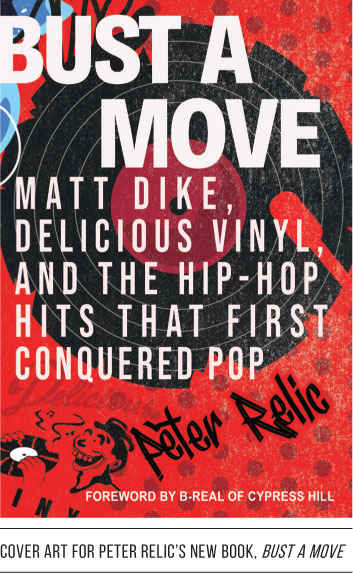
That philosophy feels remarkably similar to the way he approached music journalism decades earlier. Long before people become famous, they are simply people trying to make something. Relic has spent much of his life paying attention to those moments. That perspective eventually led him to his new book, Bust a Move, a project that took nearly fifteen years to complete.
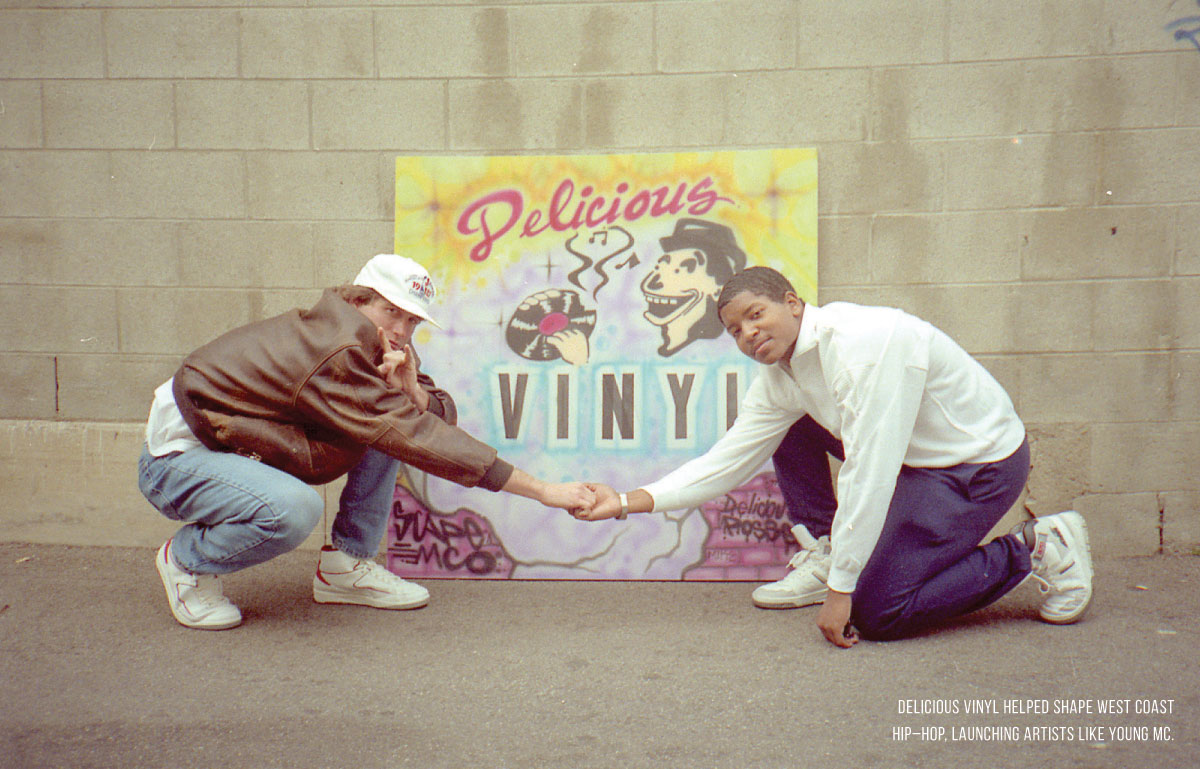
The book tells the story of Delicious Vinyl, the independent Los Angeles record label that helped launch artists like Young MC and Tone Lōc while playing a pivotal role in bringing West Coast hip hop into the American mainstream. Relic originally thought he was writing a piece of music history. What he discovered was something far more interesting.
In 1987, the founders of Delicious Vinyl were not trying to build a cultural movement. They simply loved the music. They pressed records themselves. Delivered them to local stores. Recorded songs in apartments. Used closets as vocal booths. They were making music for the same reason most creative people create anything. Because they had to. “Their goal was to press up maybe 500 copies,” Relic says. Instead, songs like “Wild Thing,” “Funky Cold Medina,” and “Bust a Move” became national phenomena.
What fascinated him was how completely the story challenged conventional wisdom. The record industry had rules. Delicious Vinyl ignored most of them. “They did the opposite of everything the record industry was doing,” he says. The result became one of the great DIY success stories in American music. But as Relic explains it, the story is not really about chart positions or record sales. It is about connection.
“They did the opposite of everything the record industry was doing.”
Throughout our conversation, music keeps circling back to memory. He talks about his sons discovering hip hop. I tell him about hearing the Fat Boys as a kid riding in the backseat of my parents’ car. We talk about Billy Strings concerts and the artists who become soundtracks for different chapters of our lives. The details change. The feeling never does.
“I remember the first time I saw KRS–One,” Relic says. “I was all in.” Everybody has a version of that story. A song that opened a door. An artist that changed how they saw the world. A moment that stayed with them long after the music ended.
That is ultimately what makes Relic’s work interesting. Not because he interviewed famous people. Not because he worked at famous magazines. Not because he wrote a book. It is because he understands that behind every cultural moment is a human story waiting to be told.
Sitting at Eastern Wharf as rain taps against the windows, it becomes clear that Peter Relic has spent his career collecting those stories. And now, in Savannah, he is still doing exactly that.
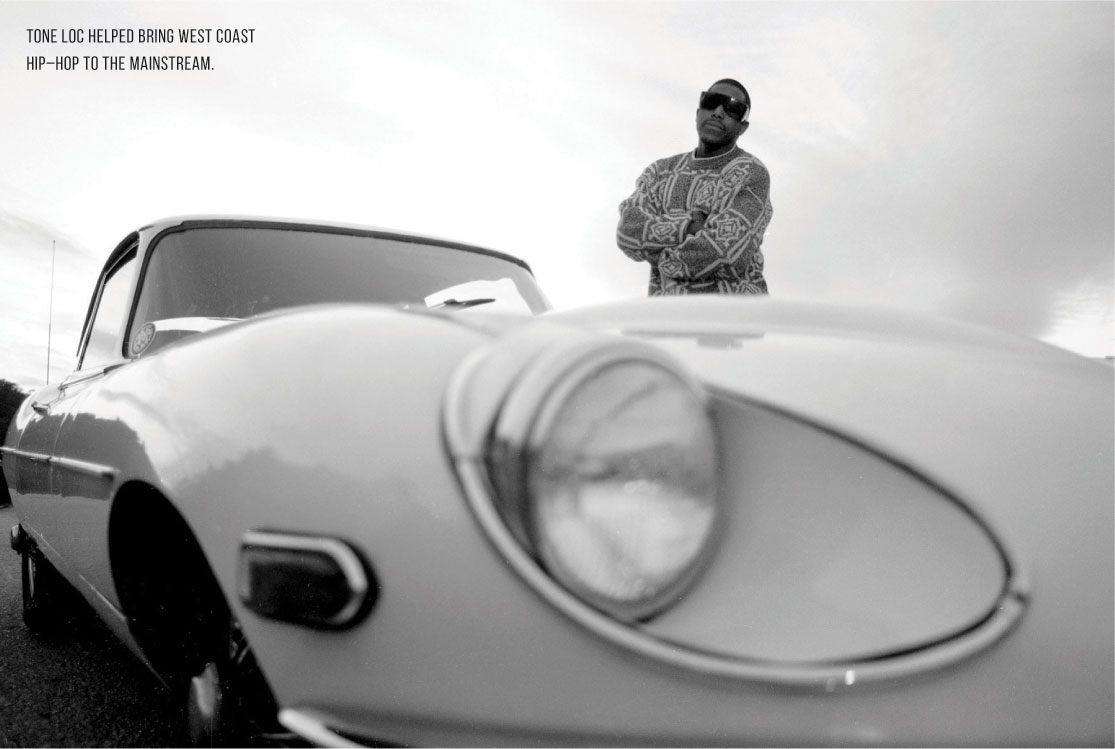
Photography courtesy of Brian “B–Dub” Williams, delicious vinyl, and Josh Hamilton.
About The Author

Brett Bigelow
Related posts:
 What to Do in Savannah, October 5 to October 11, 2026
 The Space Between Things
 Randy’s Barbeque
 The Talented Mr. Green
 The Way She Makes You Feel
 180 Million Reasons to Look Closer
 Around Mashama’s Table
 Dear Enmarket Arena,
 Hannah Dasher Knows Exactly Where She’s From
 Building the Place People Come Back To
 Late Night Crossroads: Fancy Parker’s Market
 Meet The Baker’s: Brochu’s Family Tradition
 Peacock Lounge
 BAZAAR BY SHOPSCAD IS GIVING SAVANNAH A FRONT ROW SEAT TO SCAD TALENT
 E-Tang and the Rise of the Soup Dumpling
 Strangebird Returns
 Dear Charleston,
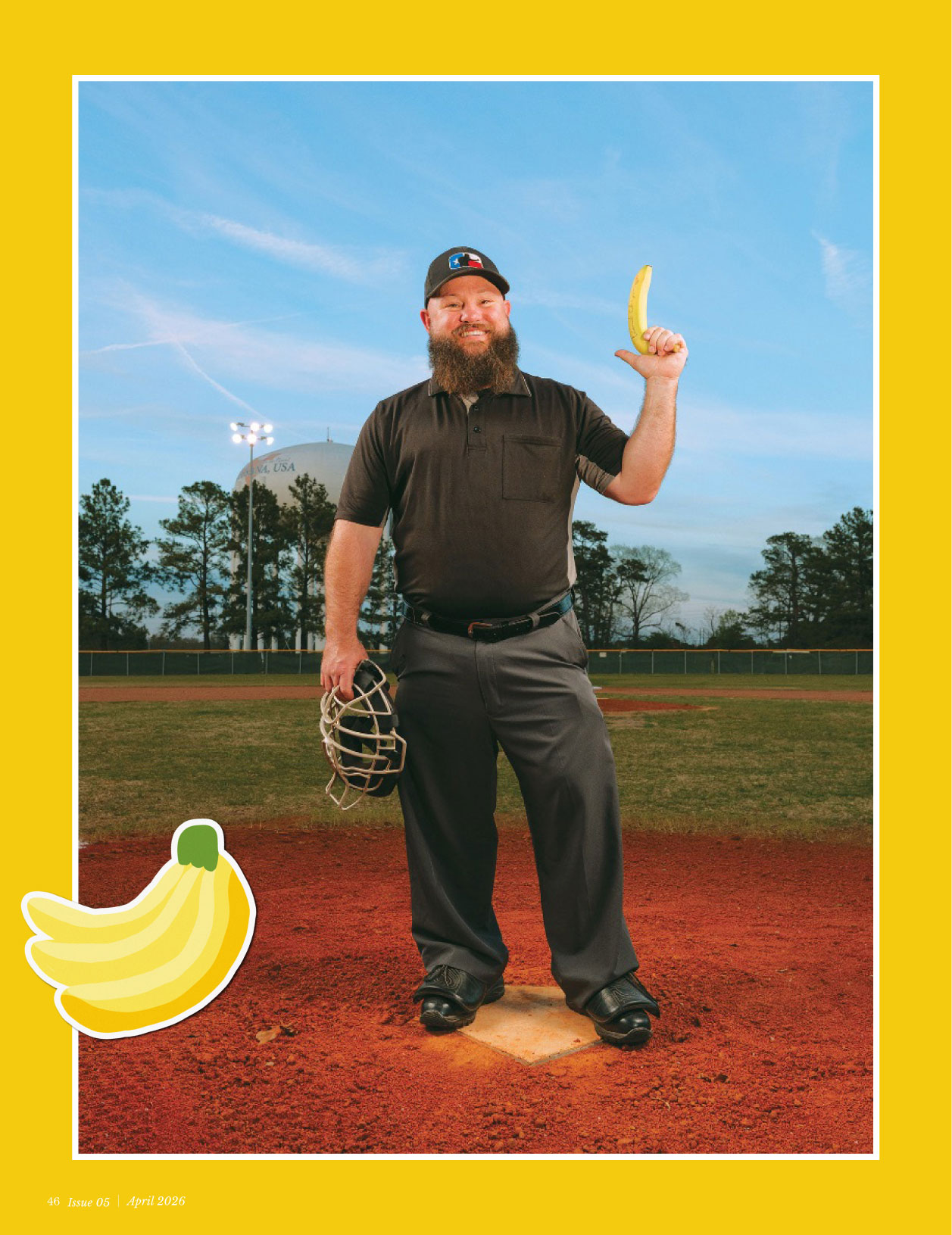 America’s Umpire
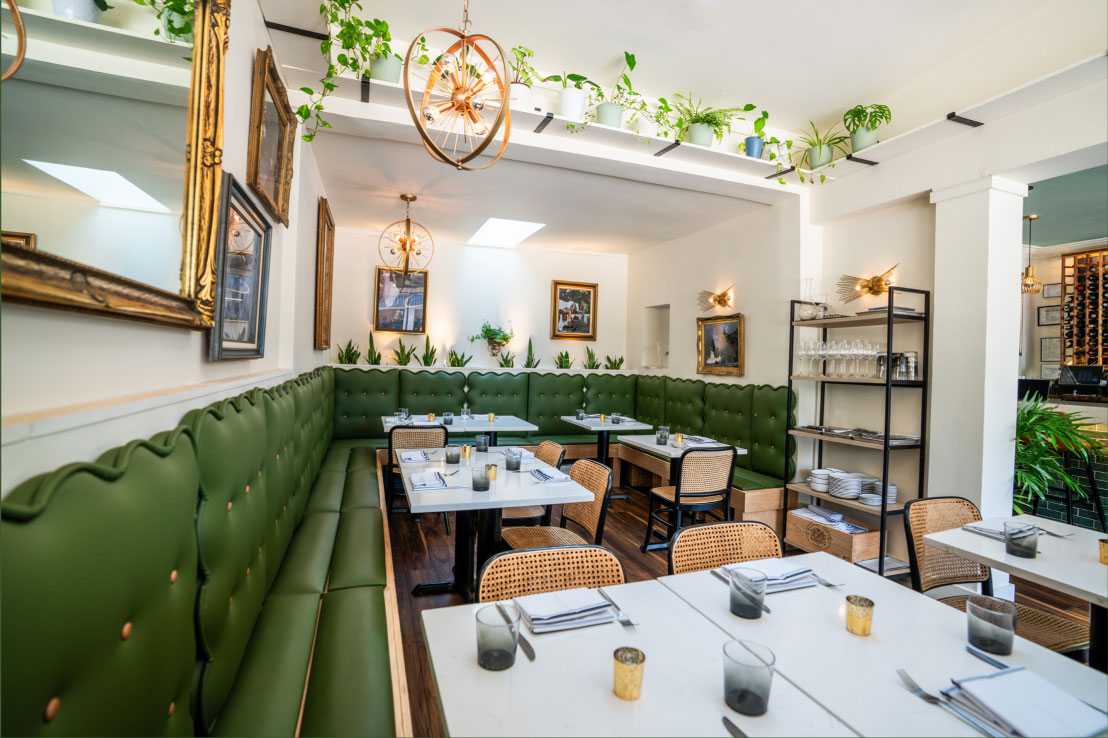 HOW SOBREMESA FOUND ITS SHAPE
 Bar Bibi at Hotel Bardo
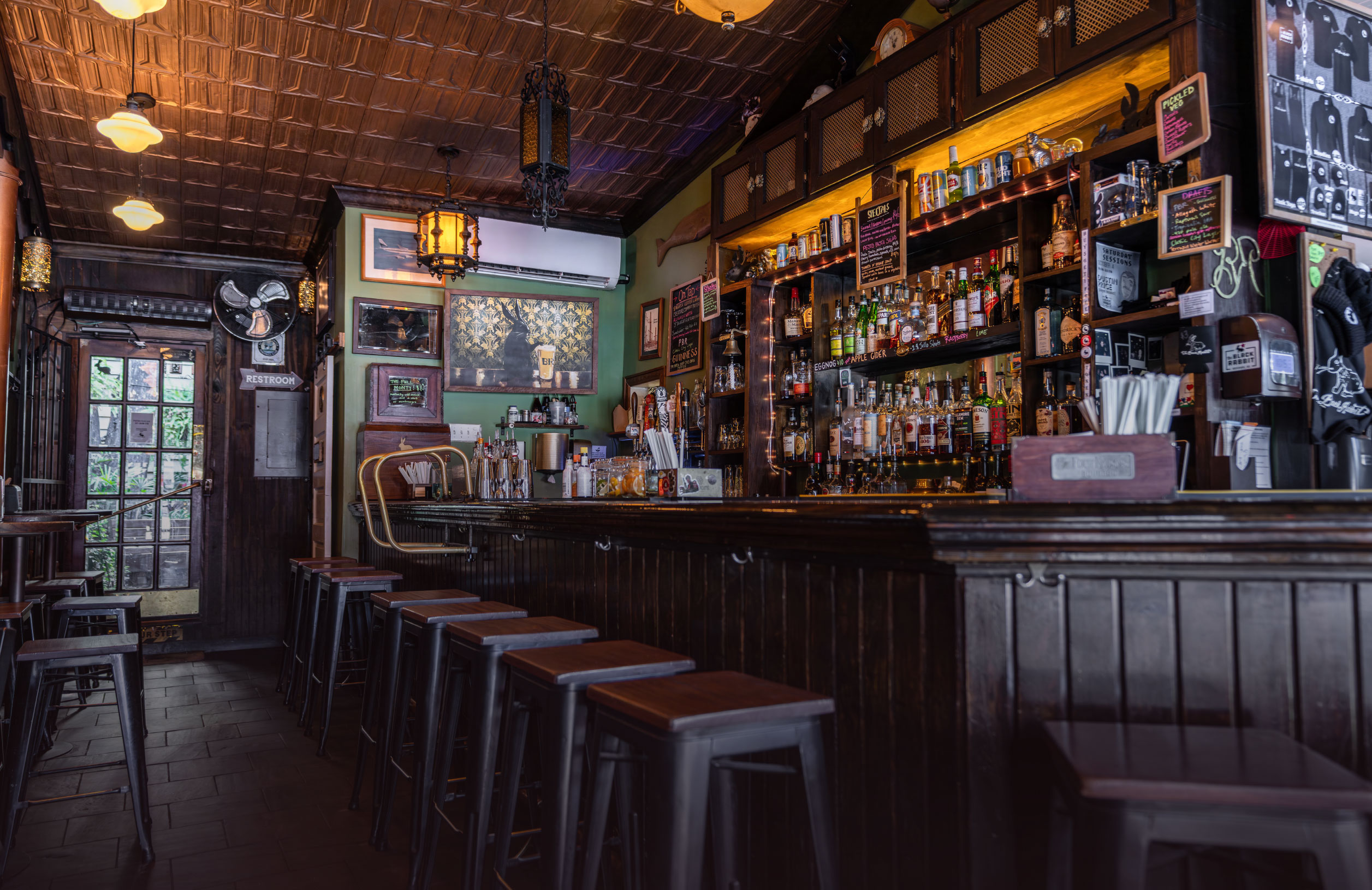 Black Rabbit and the Quiet Art of Staying Put
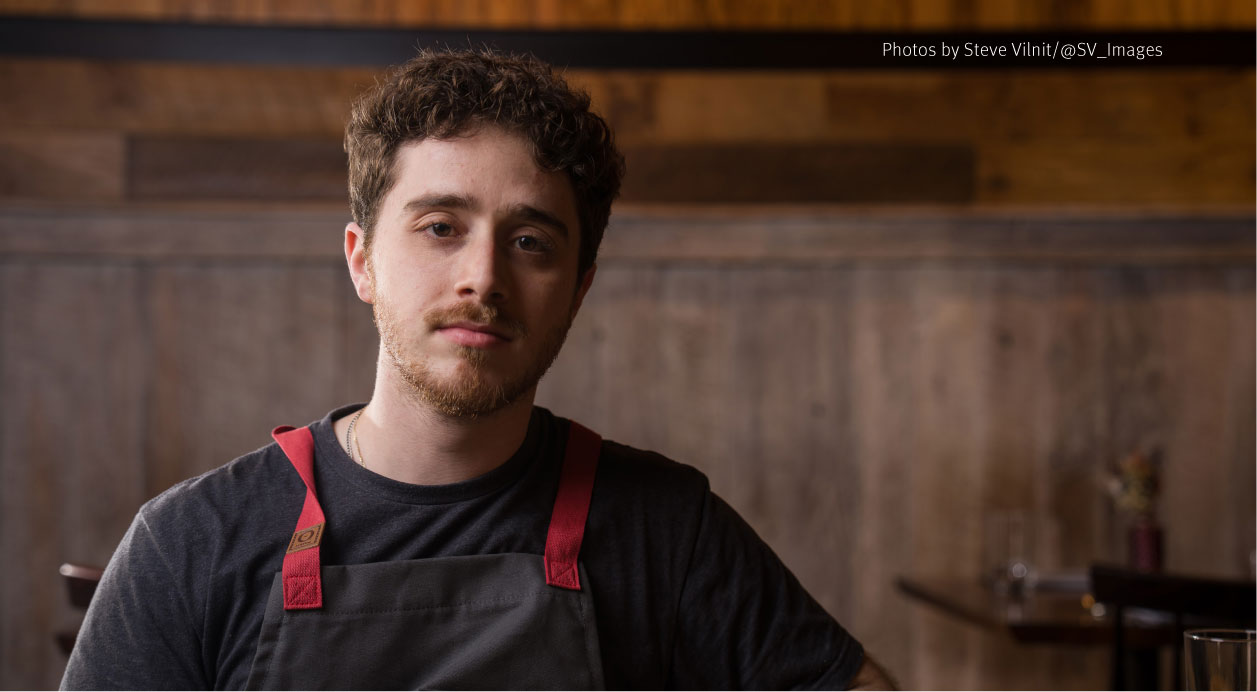 FARM: Savannah’s Favorite Neighborhood Restaurant in Bluffton
 The Art Of Creation
 Heeler Supper Club: A Secret Table in Starland Worth Finding
 Savannah did not always see itself as a serious food city.
 The Long Way Back to the Lights
 Bread Trust and the Work of Carrying on.
 THE MARTHARITA: HOW A DRINK BECOMES FOLKLORE
 SMF the image of the Sinisa Ciric
 Fishbar: living by the fire
 My Father’s Camera
 Matt & Jane: Savannah Wants Both!
 Coffee Shop imagination
 A Day in Starland w/ Josephine Johnson
 Dibs! We Call Jingle Bells!
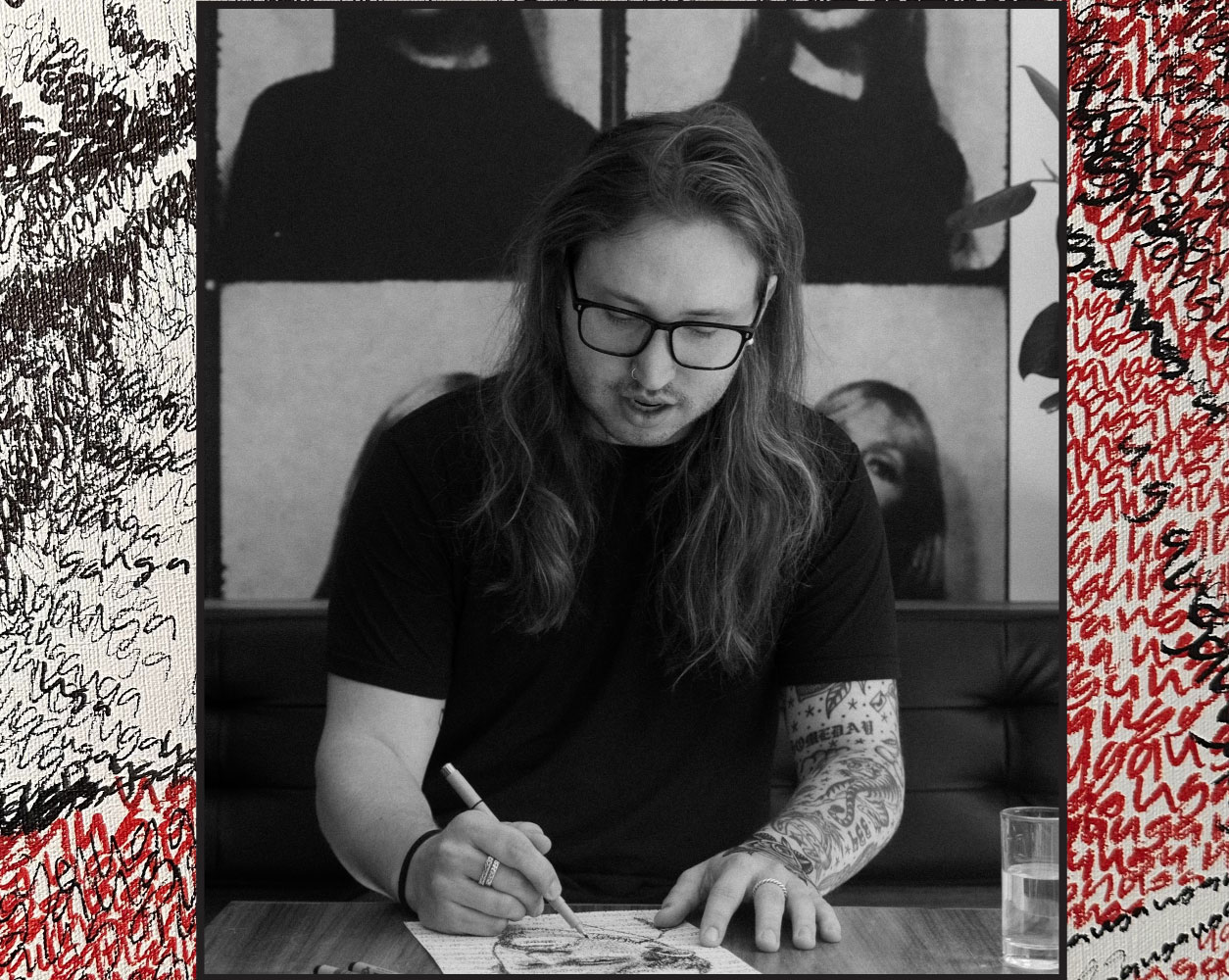 A Portrait of Persistence: The Art of Jayce Hall
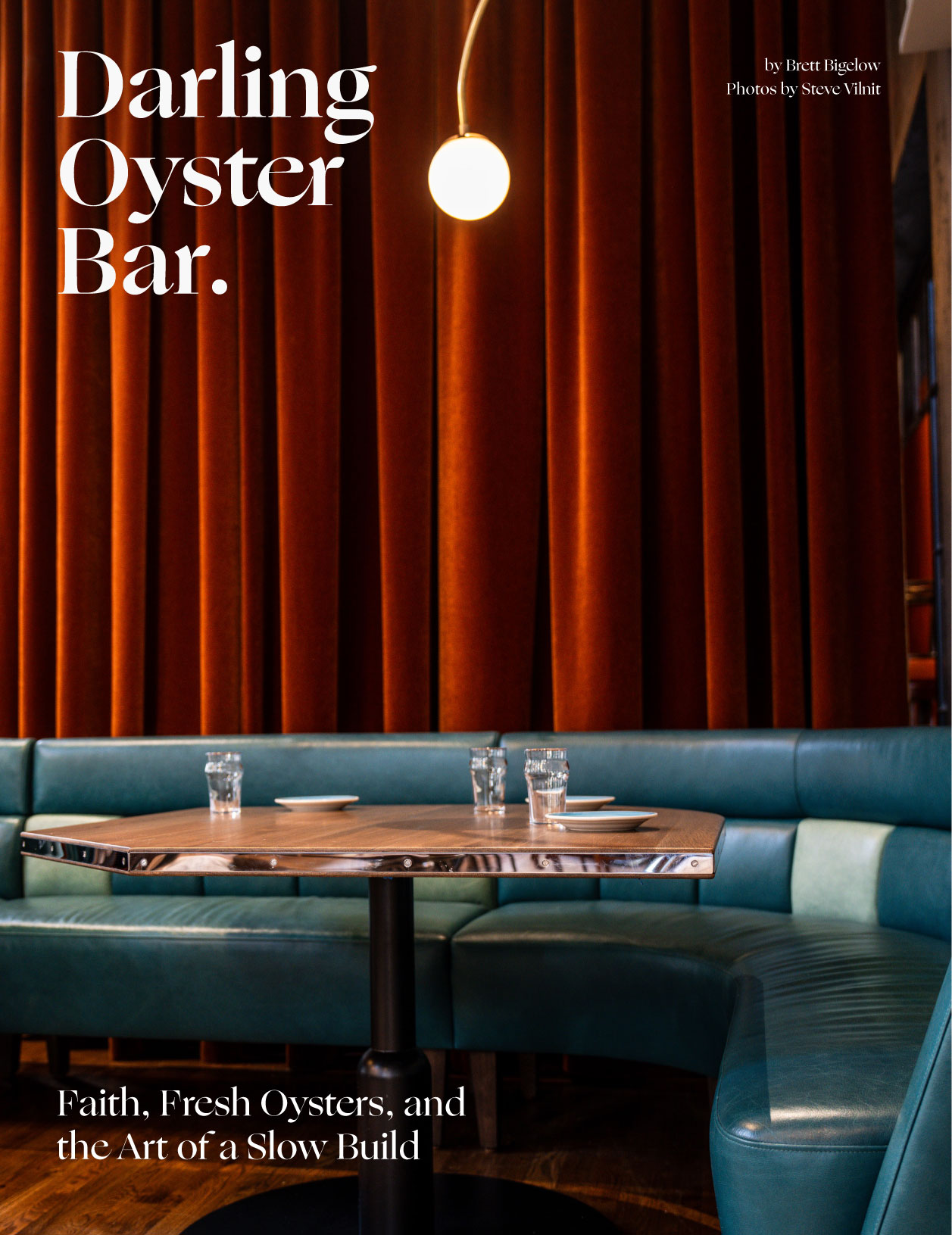 Darling Oyster Bar
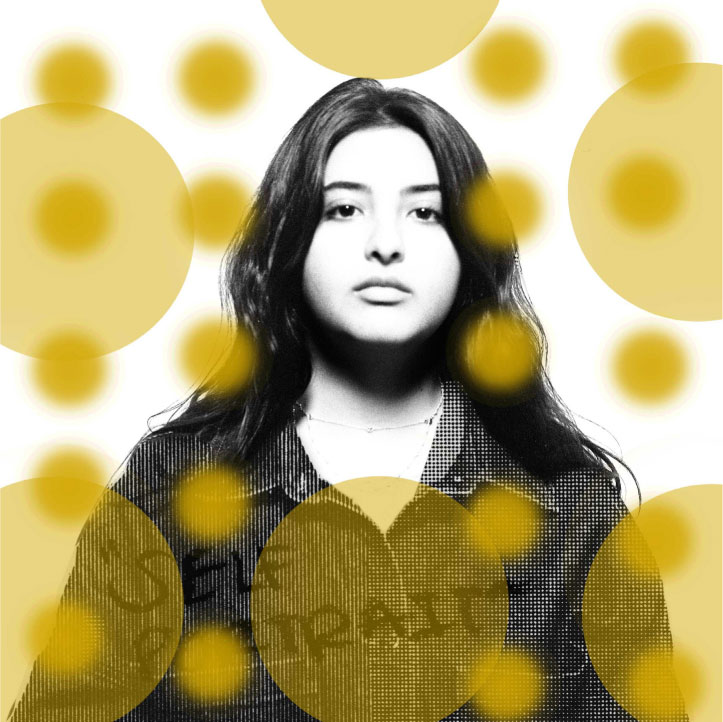 The Art of Creation
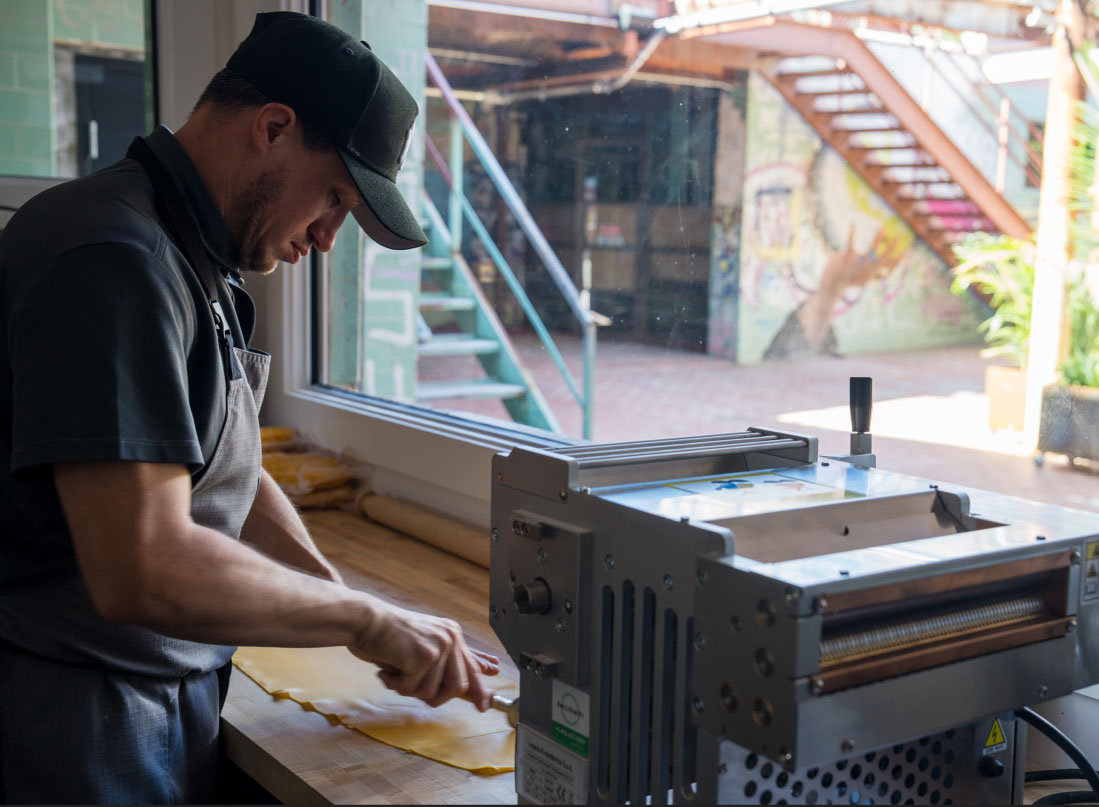 Lucia Pasta Bar & The Art of Feeling Right at Home
 Broughton Street Revival
 Untitled Bar
 The Ice Tub Club
 Salt, Soul, and Sea Wolf
 Randall Patrick
 Meet Chef Chino
 Susanna Kennedy Mesmerizing
 Savannah Photo Club: Like a community focused on love and family.
 Striking Creativity with Vintage Matchbook Art
 From Afghanistan to SCAD: Afghan Sisters Escape Taliban in ‘One Step Away.’
 Savannah Shows Up: How this new restaurant was welcomed with open arms
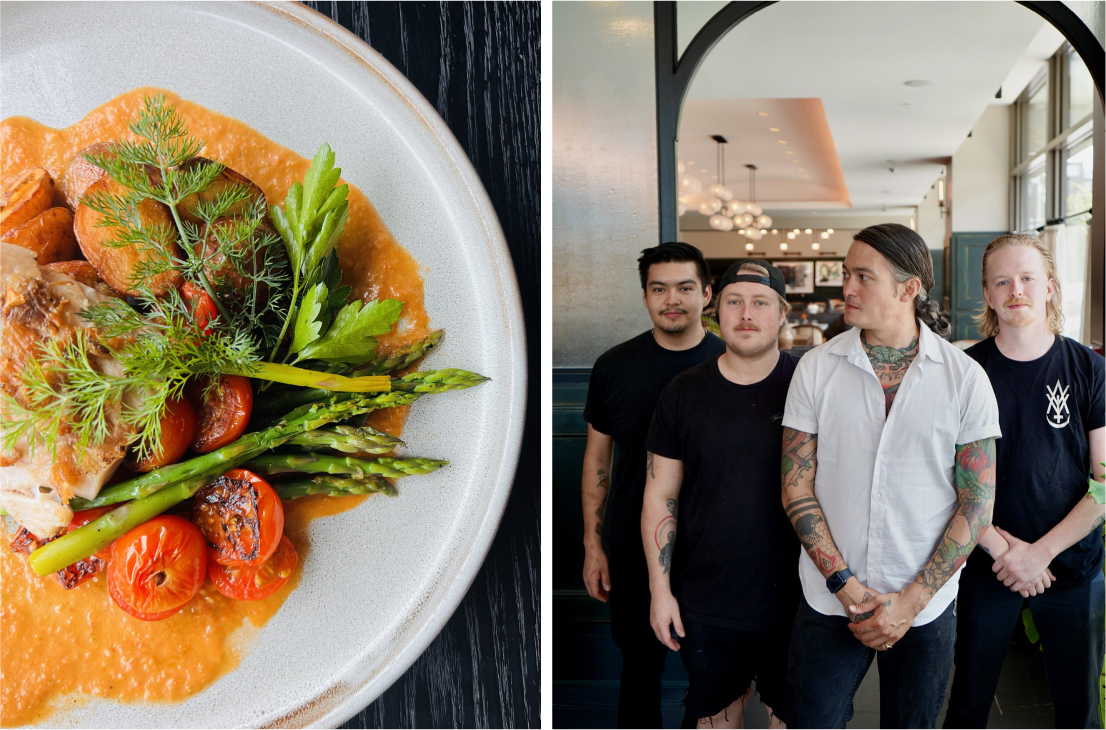 Pop Up Revolution: Inside Fleeting’s ever changing table
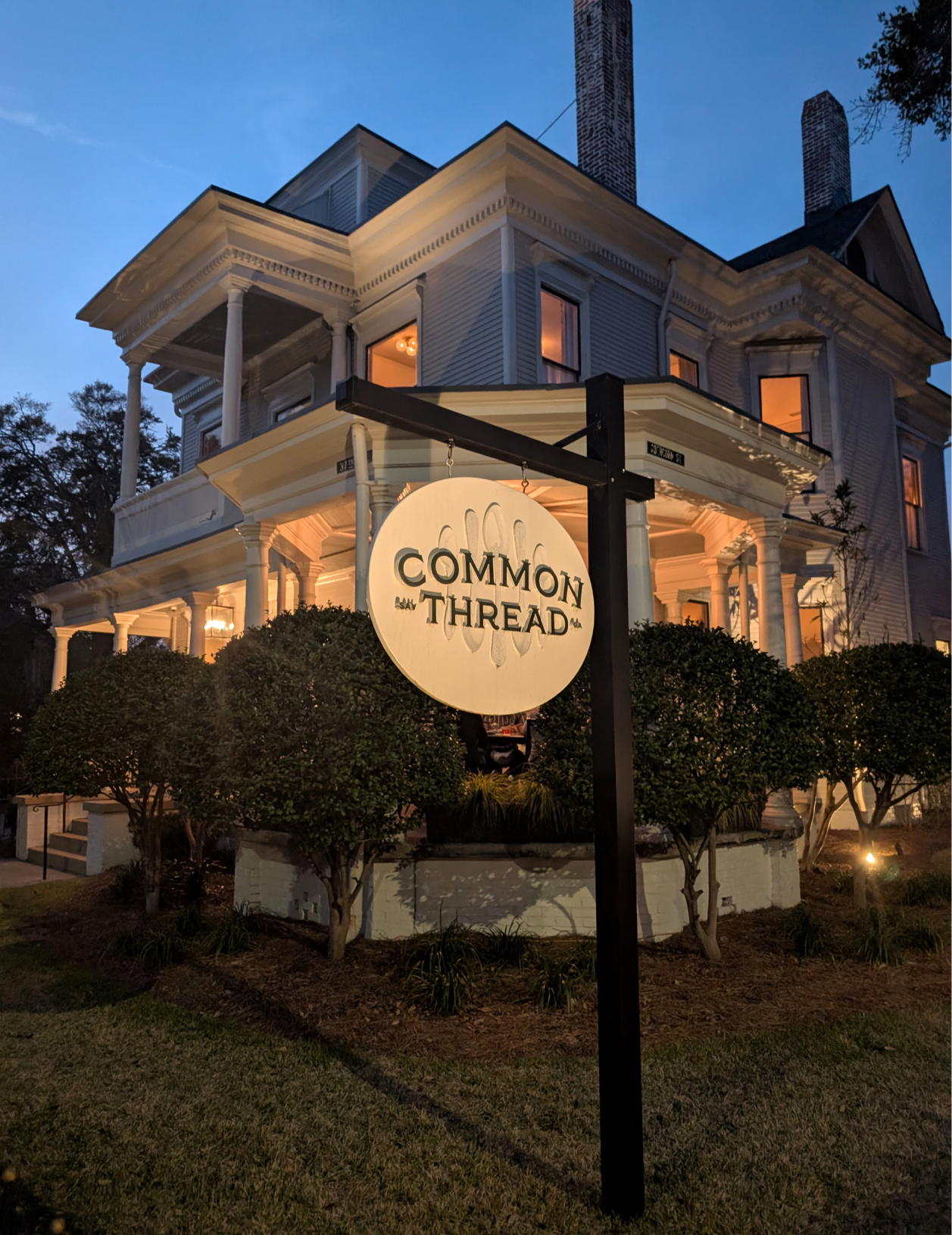 COMMON THREAD & Savannah’s Culinary Awakening
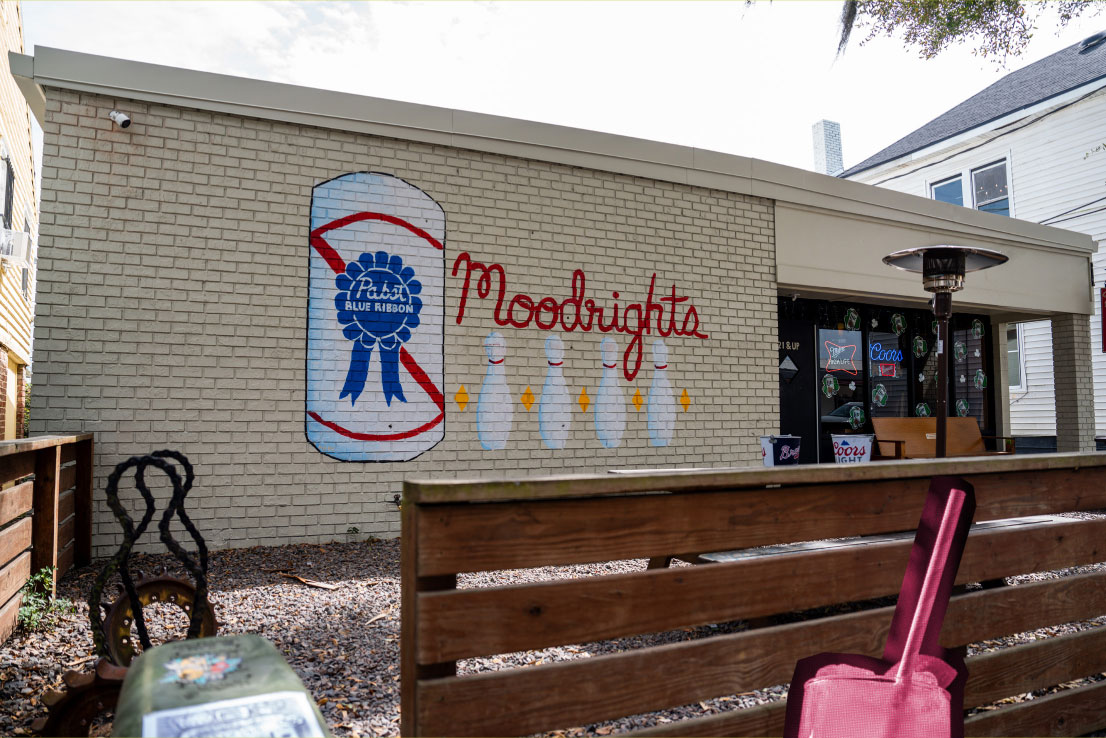 Savannah’s Coolest Block
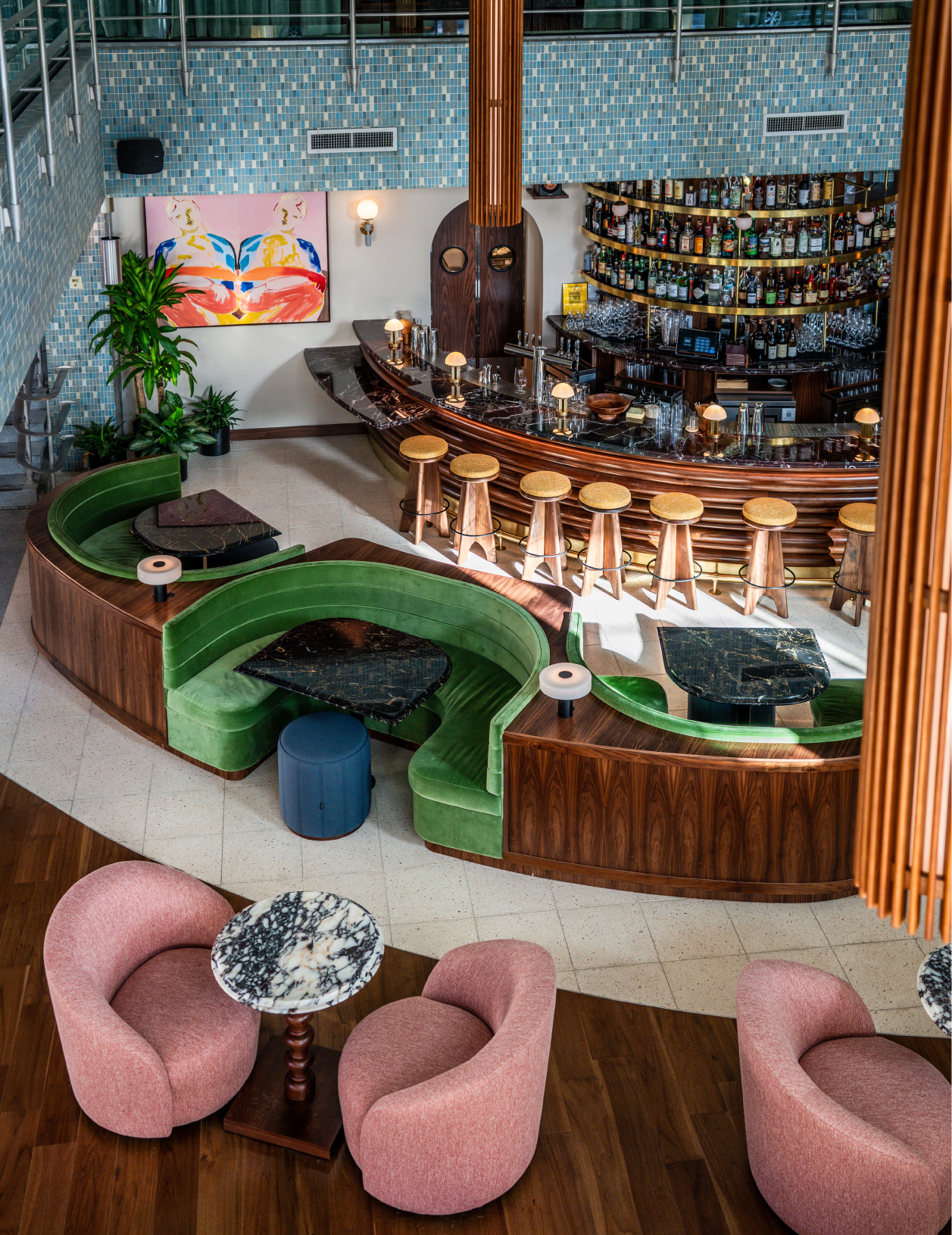 Municipal Grand: Savannah’s New Living Room
 Why does Savannah Made Simple Magazine exist?
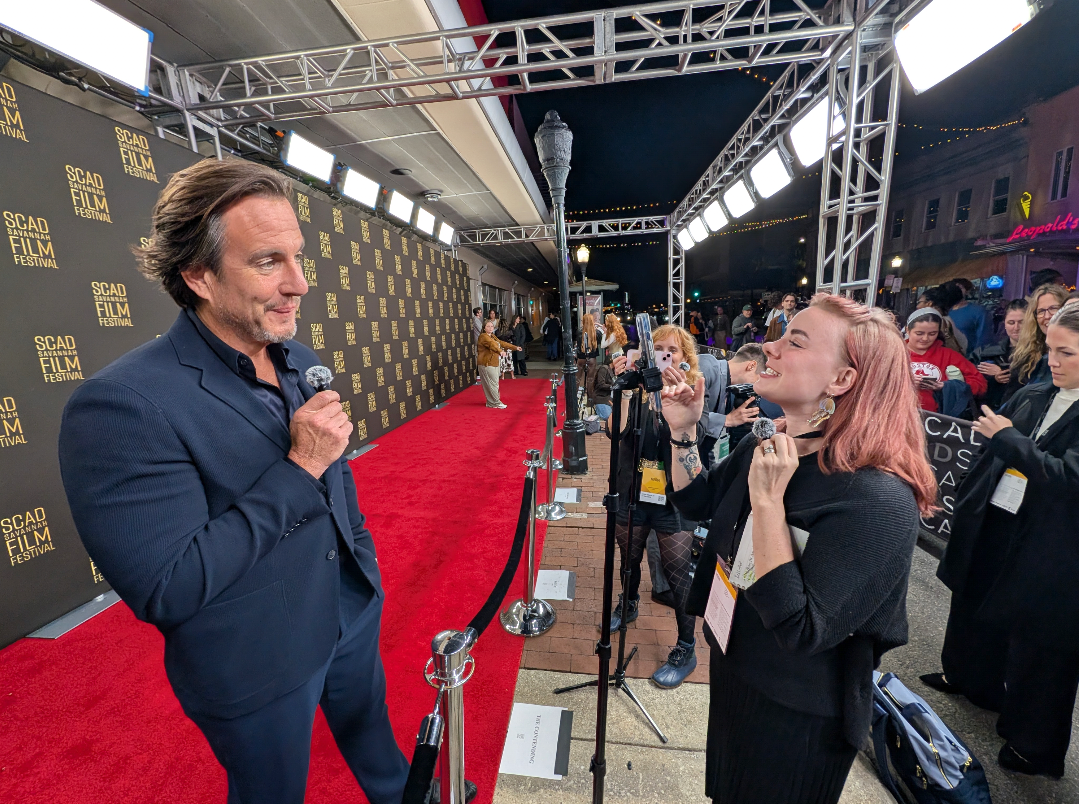 SCAD Savannah Film Festival Wraps Another Incredible Year
 Savannah For Morons: The Comedy Trolley Tour That Will Have You in Stitches
 Bleak, Beautiful, and Honest: Randall Patrick’s Savannah
 After Last Call: Savannah’s Late Night Savior
 Savannah’s Culinary Revolution: Fleeting’s Guest Chef Pop-Ups
 Birria Beyond Borders: How One Spot in Savannah Became a Culinary Crossroads
 Foxtail Coffee Co. Opens in Savannah
 Beneath the Surface: How Bowl & Brew is Redefining Broughton Street entertainment
 Savannah Showed Up: How this new restaurant was welcomed with open arms
 From peaches to oysters? Georgia’s newest culinary trend.
 Brochu’s Sour Hour: Where hip, fun, and food collide
Categories: Article
Tags: , #Georgia, #Savannah GA, #Savannah Tourism, #Visit Savannah, Savannah Georgia