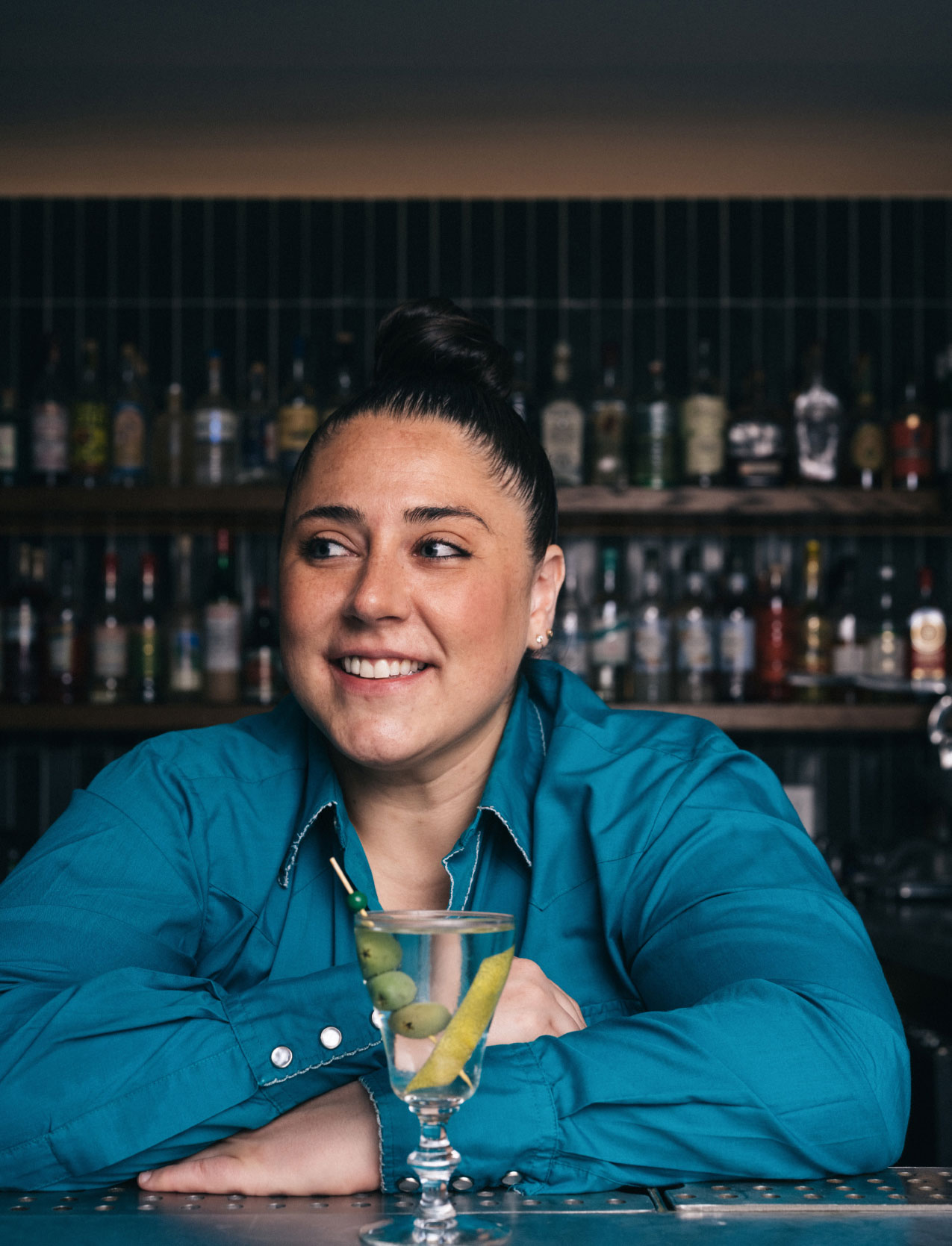
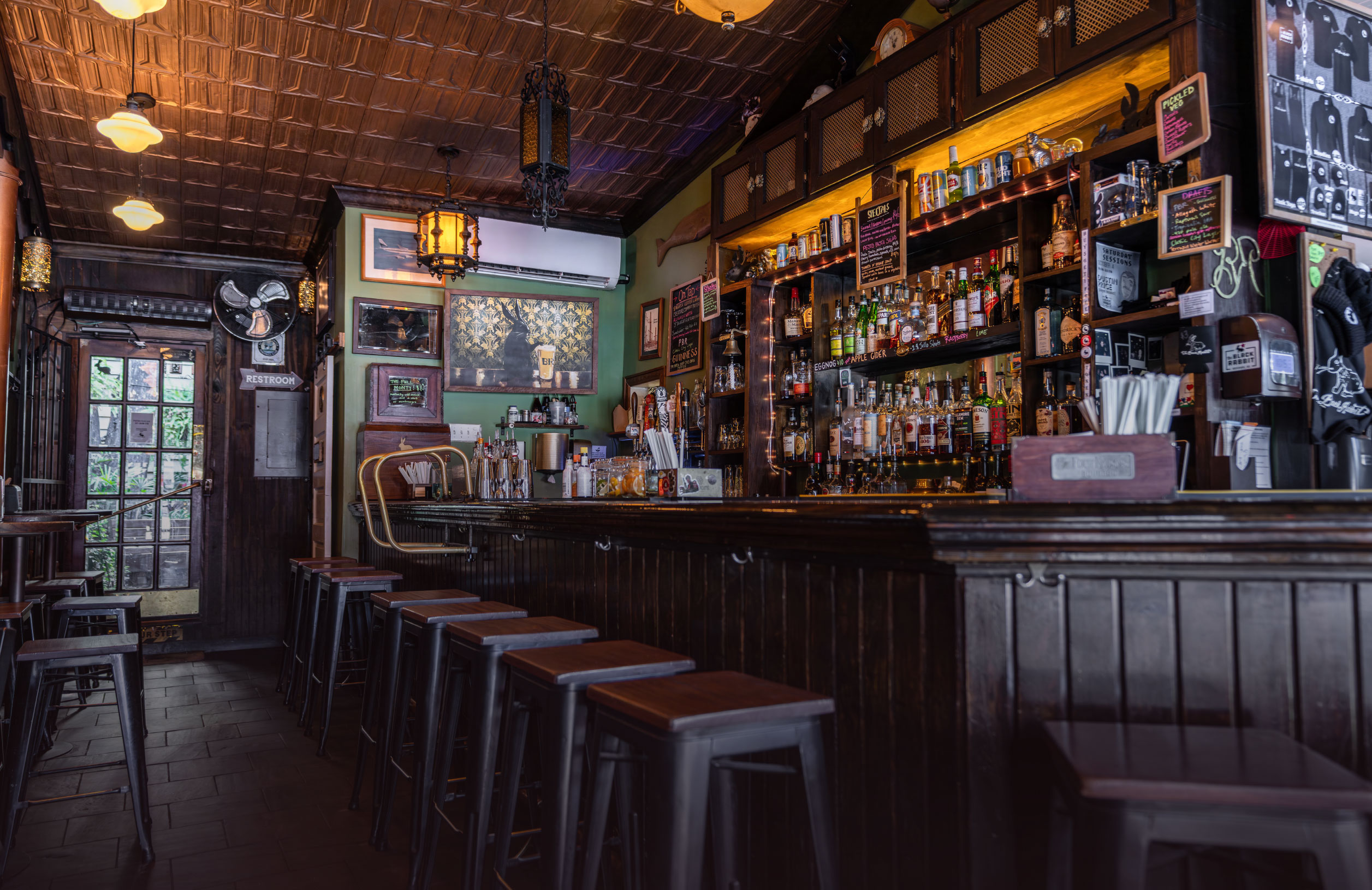
There are bars in Savannah that announce themselves loudly. Neon. Crowds spilling onto the sidewalk. A sense that you are supposed to be there because everyone else already is. And then there are places like Black Rabbit, sitting just off the main current, doing the work patiently, night after night, without ever asking for permission or applause.
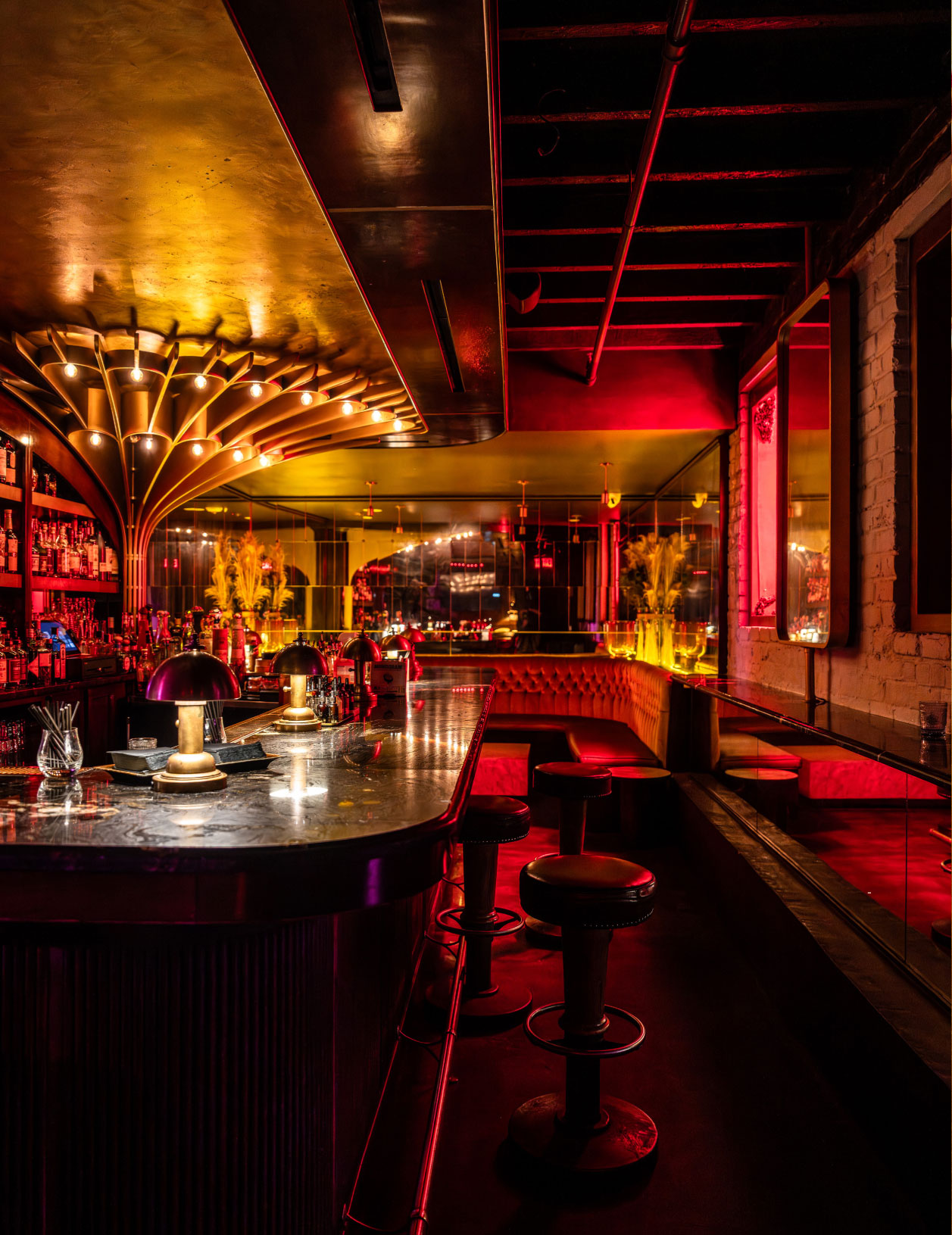
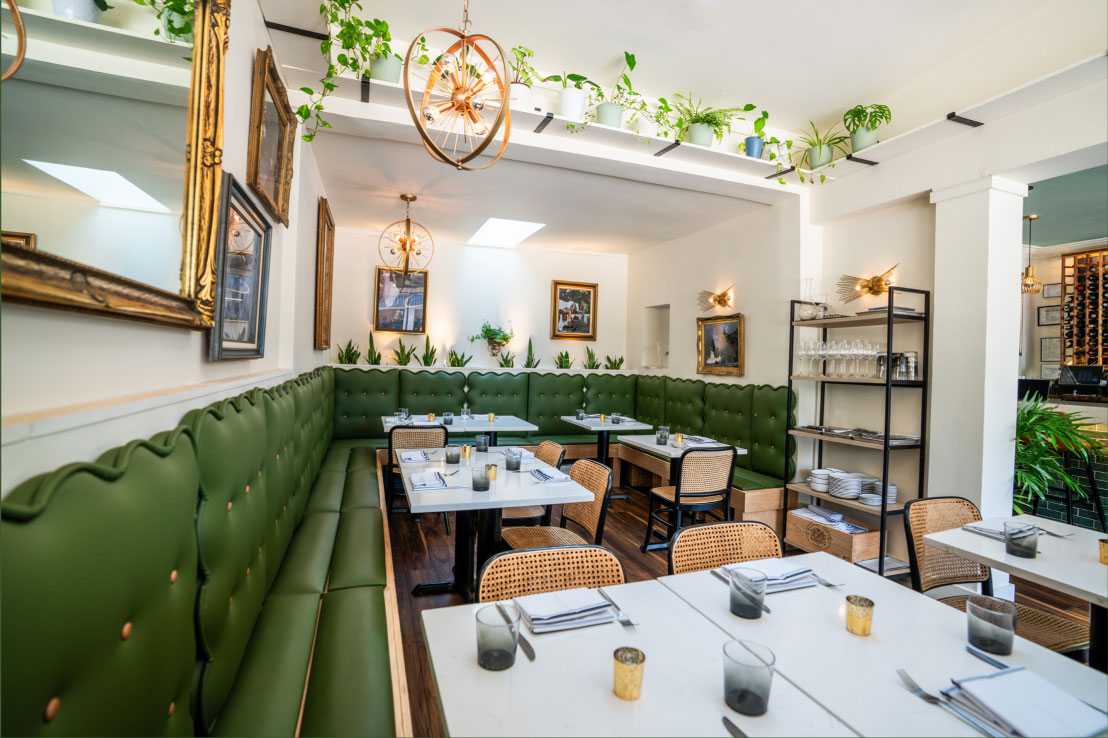
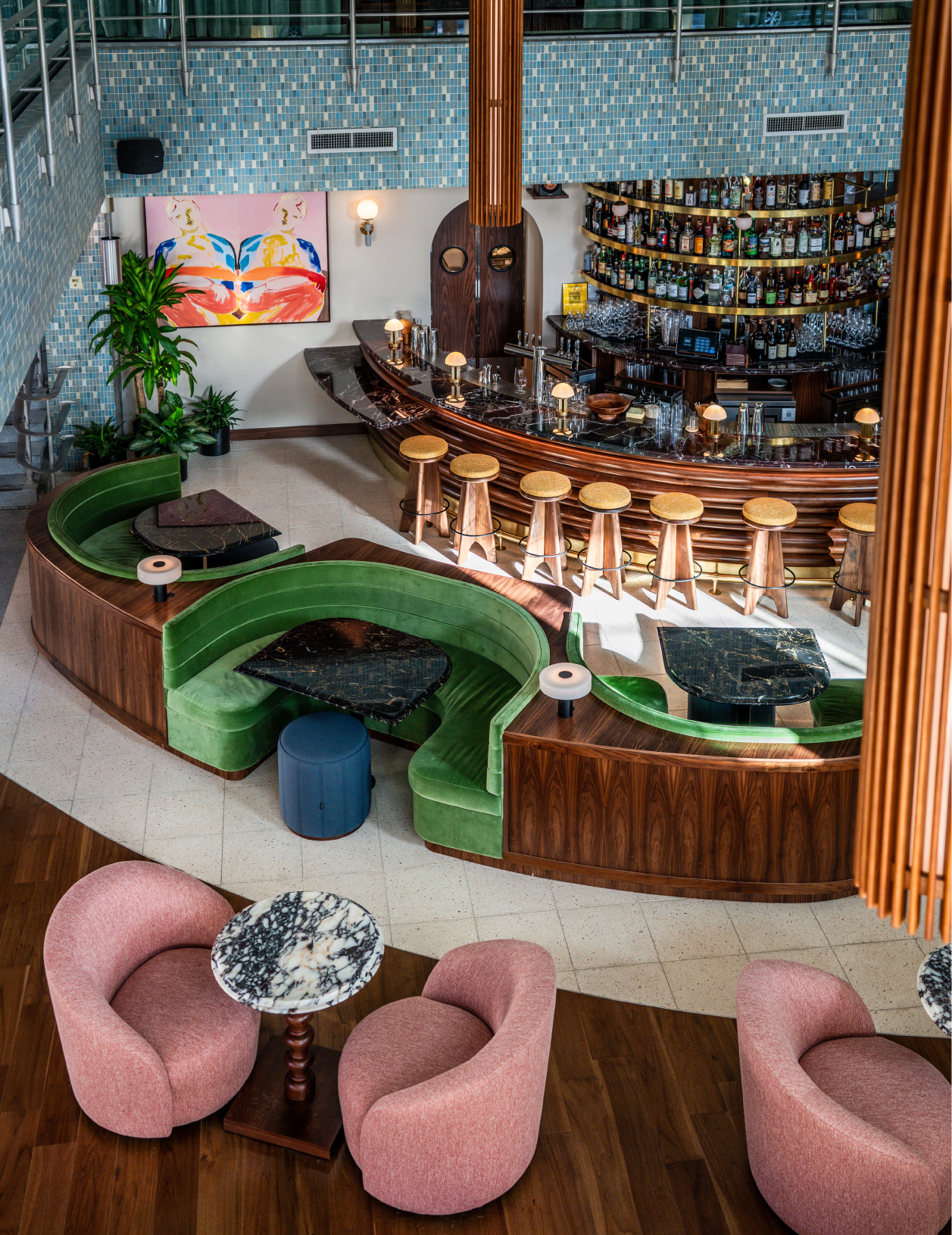
Walk inside and the first thing you feel is relief. The room is small but settled. The light is warm. The walls carry years instead of trends. It feels lived in, not designed to look lived in, which is a harder thing to pull off and almost impossible to fake.
Trusted by 70,000+ Savannah Locals
Get the stories, restaurant discoveries, events, and insider recommendations that locals already rely on.
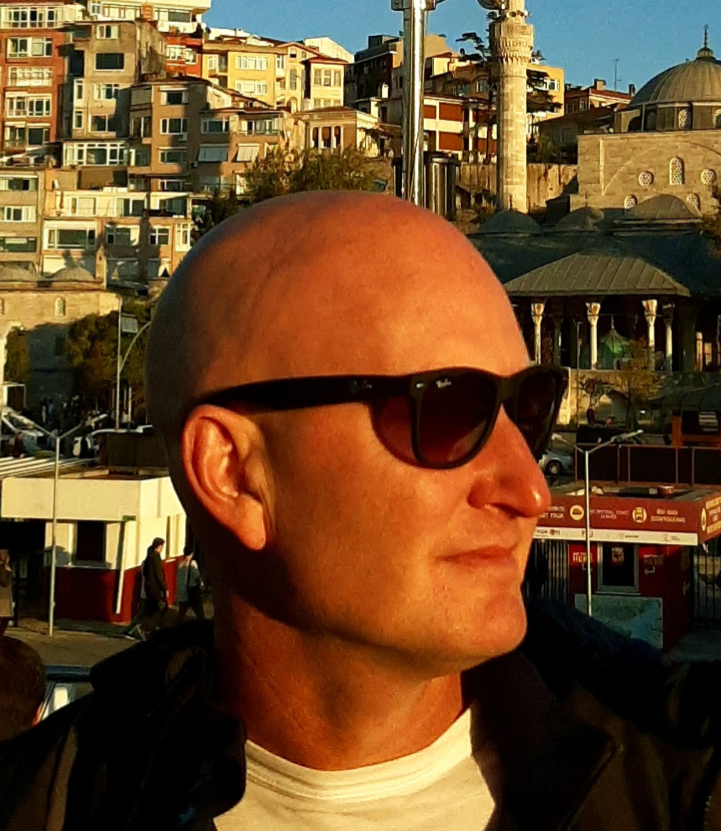
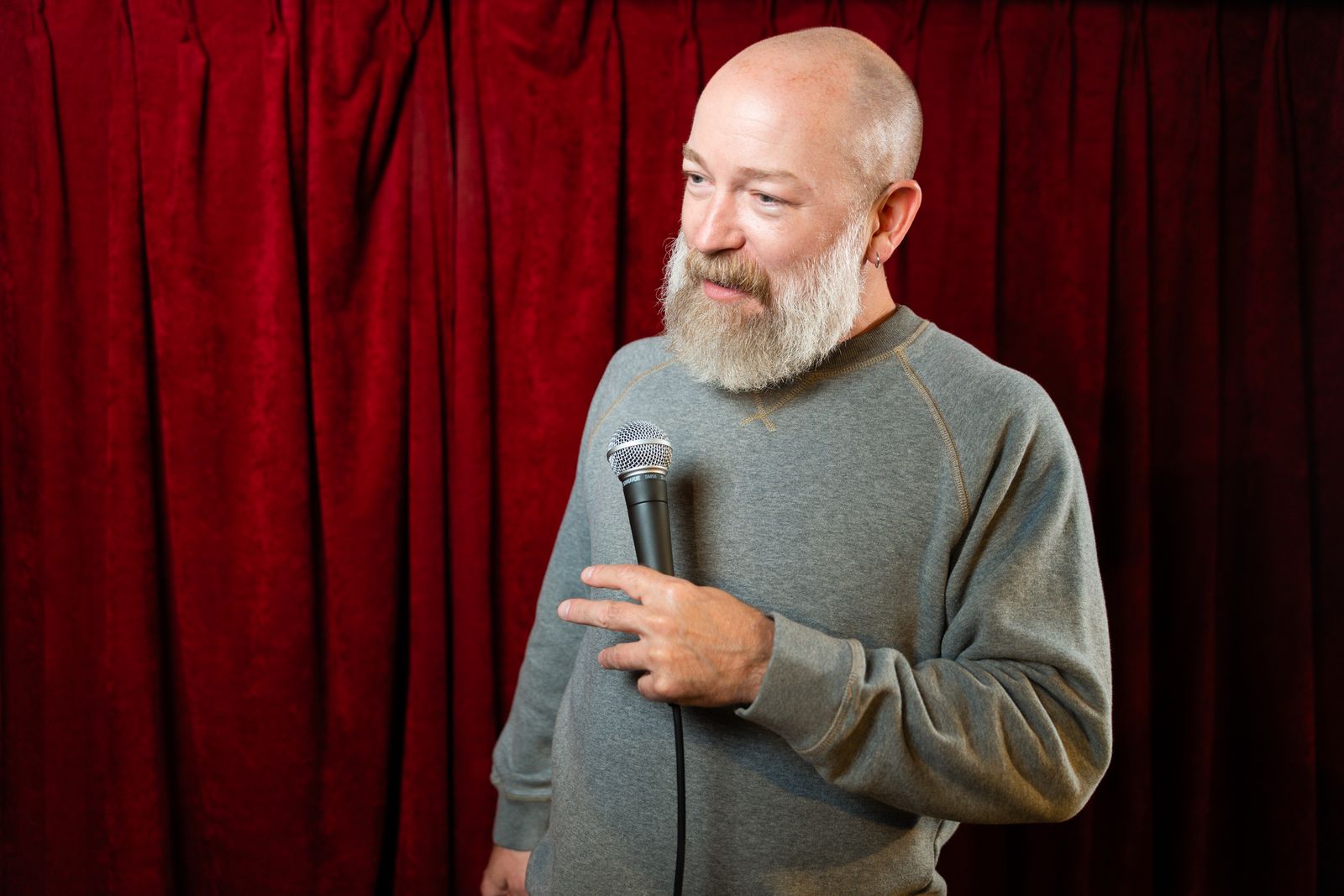
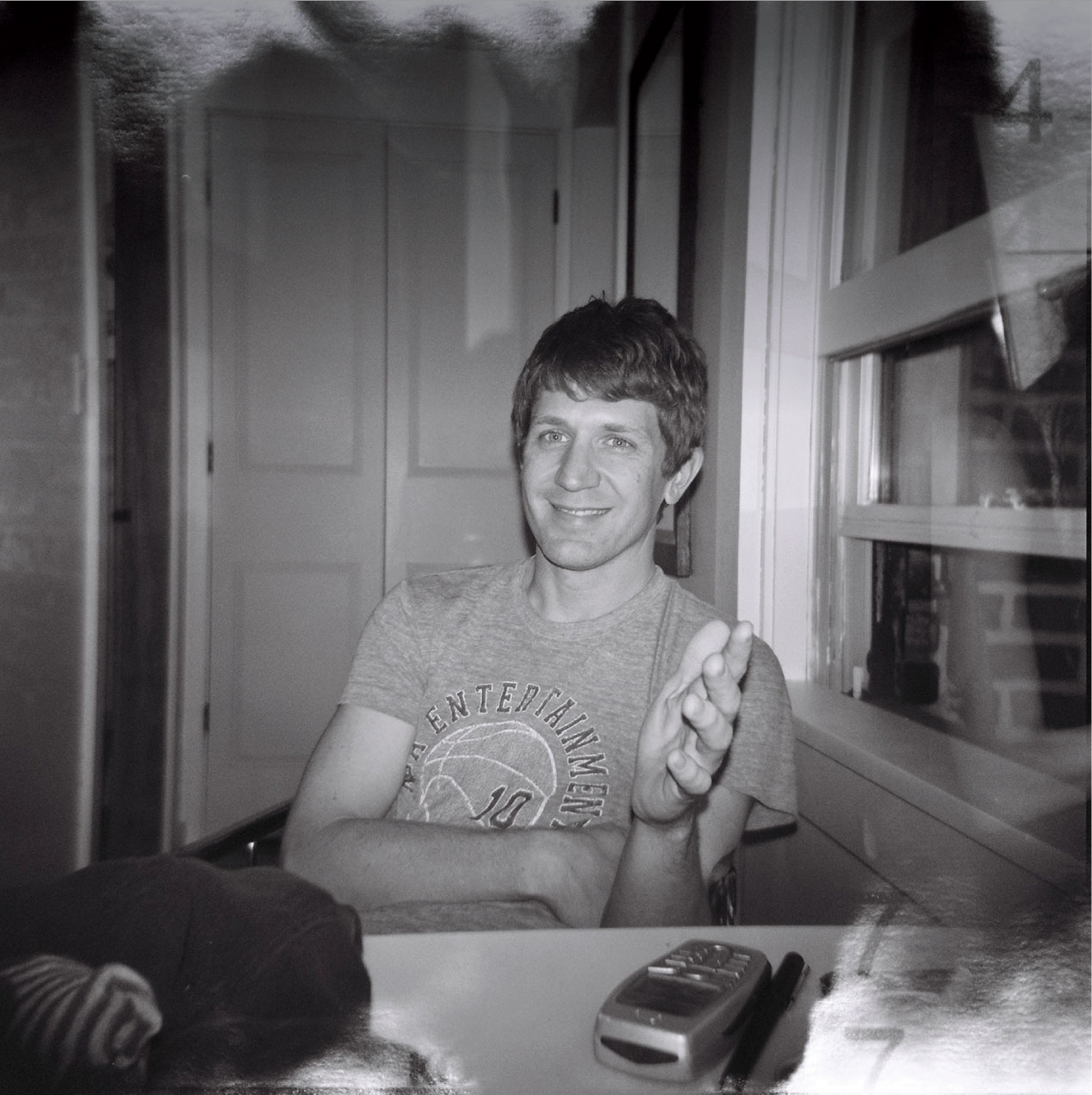
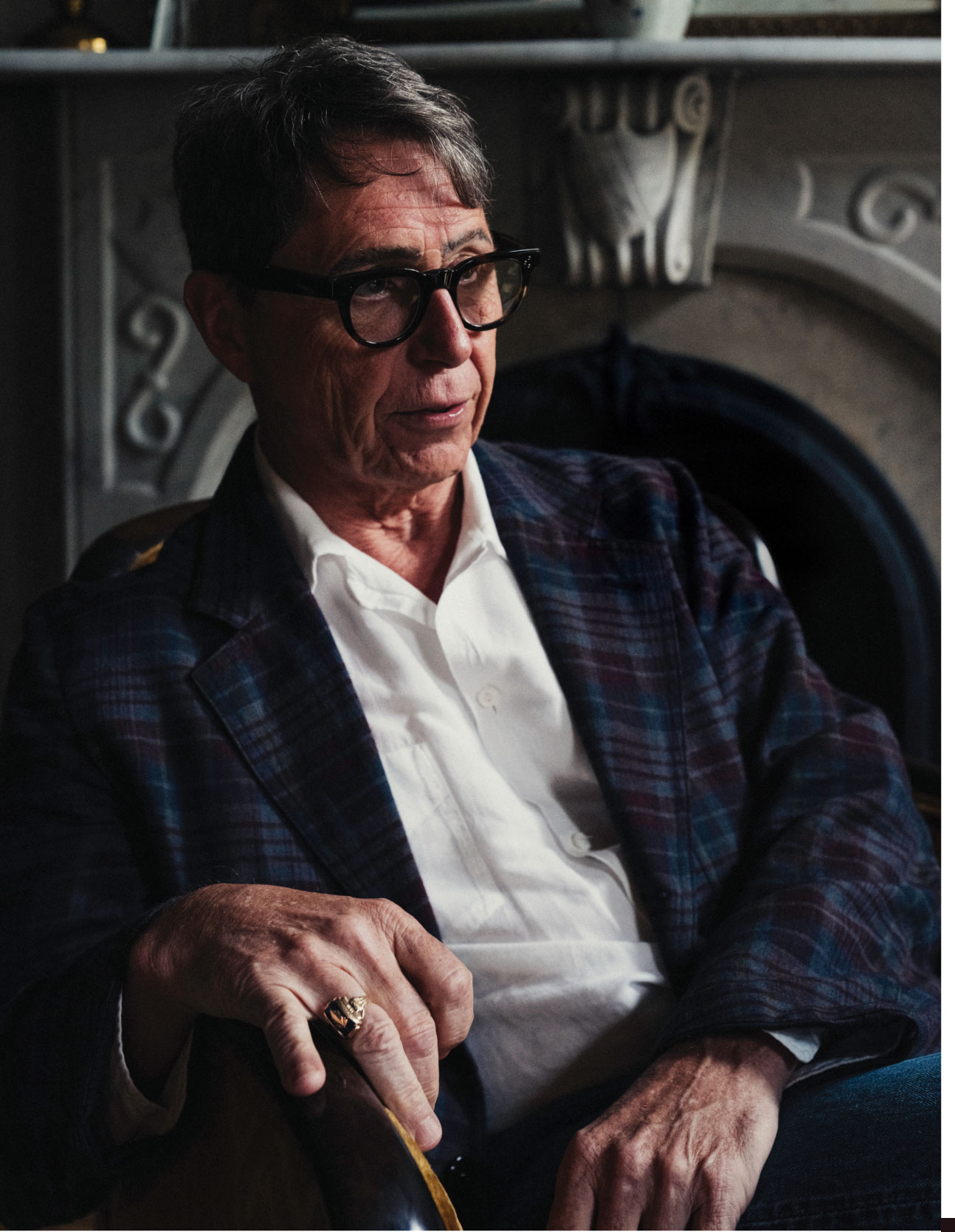
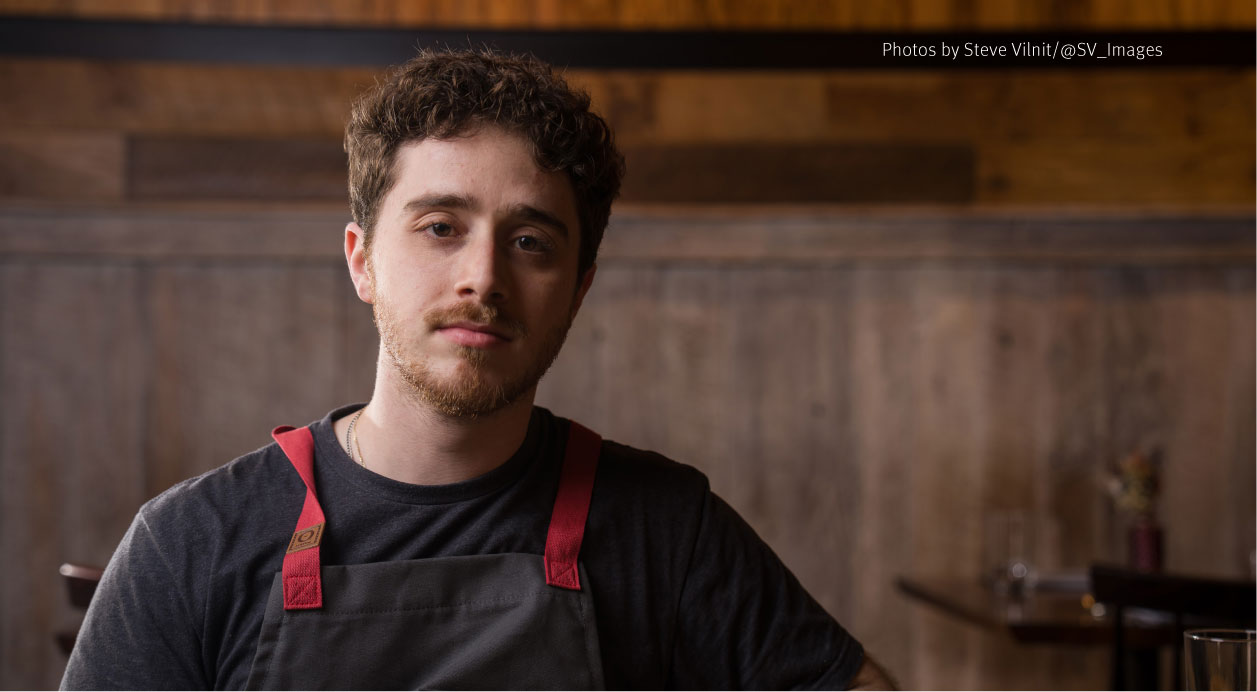
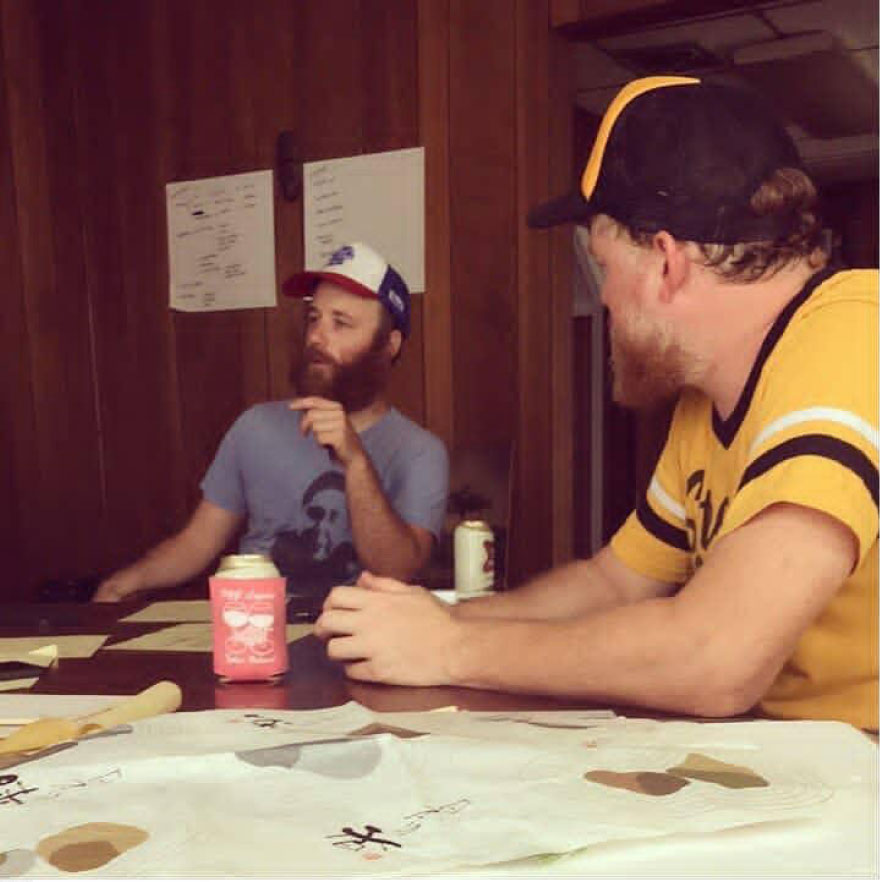
Patrick Zimmerman has been here for seven years now. That fact alone matters. “It was an abandoned building,” he says, talking about the space before Black Rabbit existed. “David’s family owned it. It had been sitting for a long time. There were art shows in here years ago, and then it just stopped.”
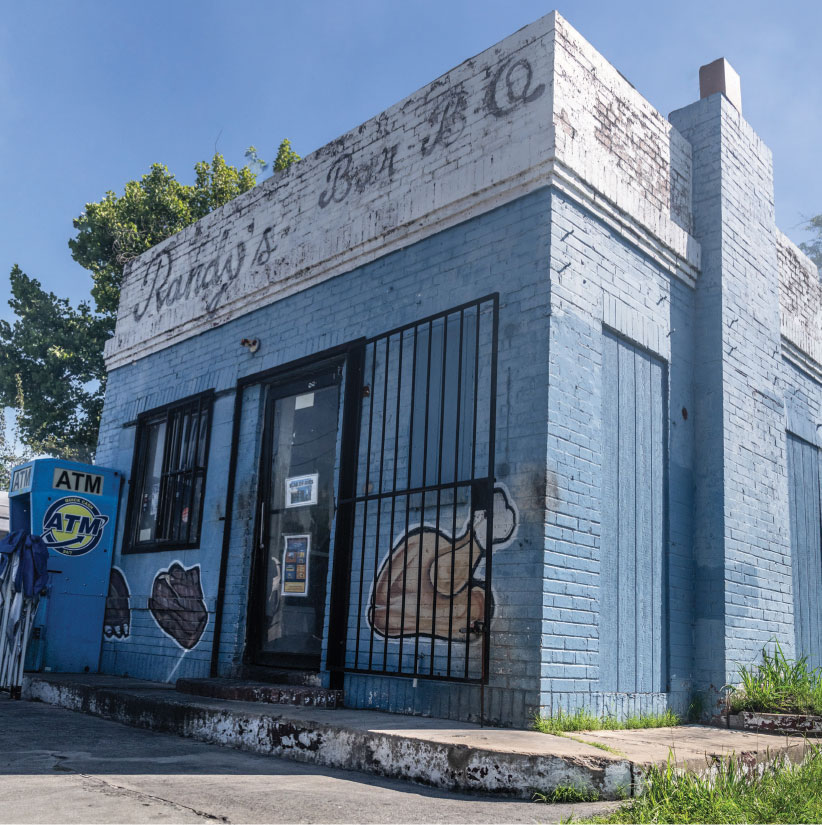
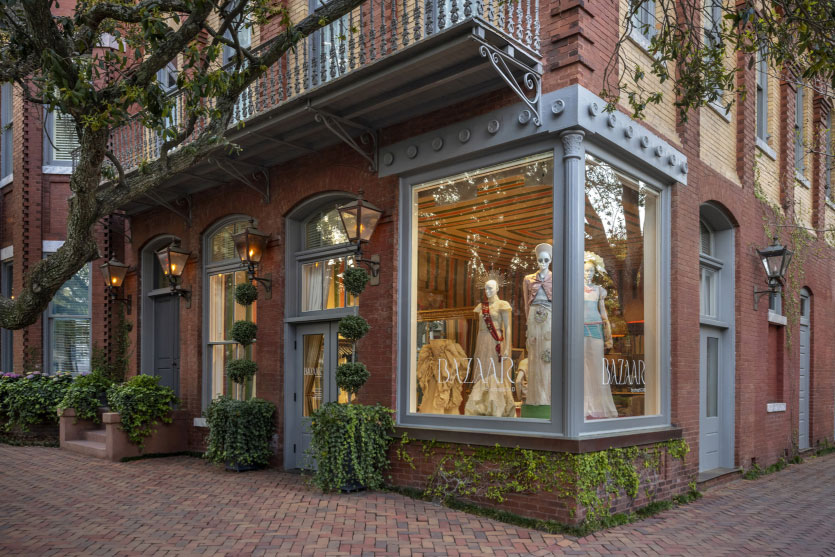
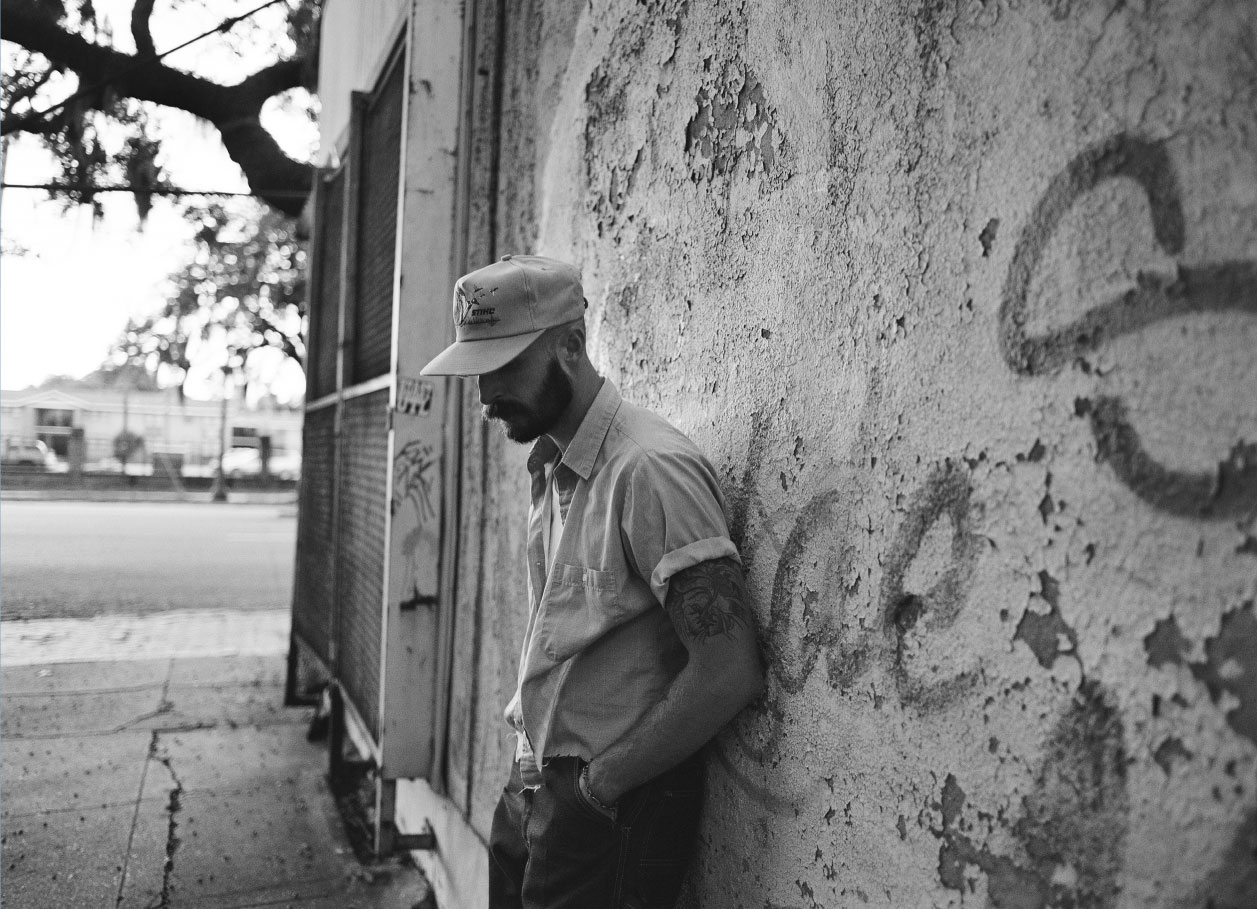
The name came from something accidental and perfect. A graffiti artist once painted a black rabbit with flowers around it on a roll down door. The image stayed untouched for more than a decade. People started calling it the black rabbit building long before it was ever a restaurant. When the bar finally opened, the name was already waiting.
That sense of inevitability runs through the place.
The transformation took about a year, though like most restaurants, longer than anyone hoped.
Two separate stalls became one room. The original heart pine walls and ceiling stayed. Nearly everything else had to be rebuilt. What survived feels intentional now, like the building chose what to keep.
Zimmerman knew the neighborhood well before Black Rabbit ever poured its first drink. He had already spent years nearby, first with Butterhead Greens and later with Betty Bombers inside the American Legion. He had watched the area shift slowly, then all at once.
“When I moved here twenty years ago, I never would have thought I’d open a restaurant right here,” he says. “Now you look down the street and there are burned out houses that turned into million dollar homes.”
What he built instead of chasing that change was a neighborhood place that resists extremes.
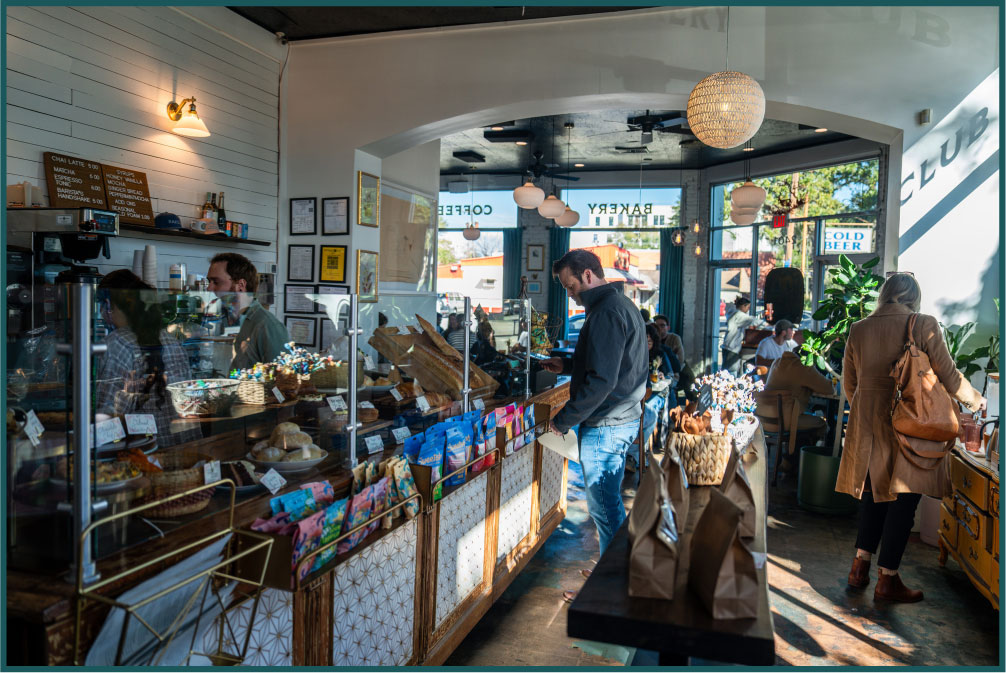
During the day, Black Rabbit is mostly about food. Offices nearby bring in insurance agents, attorneys, and people who need lunch that feels grounding rather than performative. At night, the balance flips. Drinks take over, but the food never disappears. It is still there, steady, reliable, comforting.
The menu reflects the physical limitations of the space and the clarity of Zimmerman’s vision.
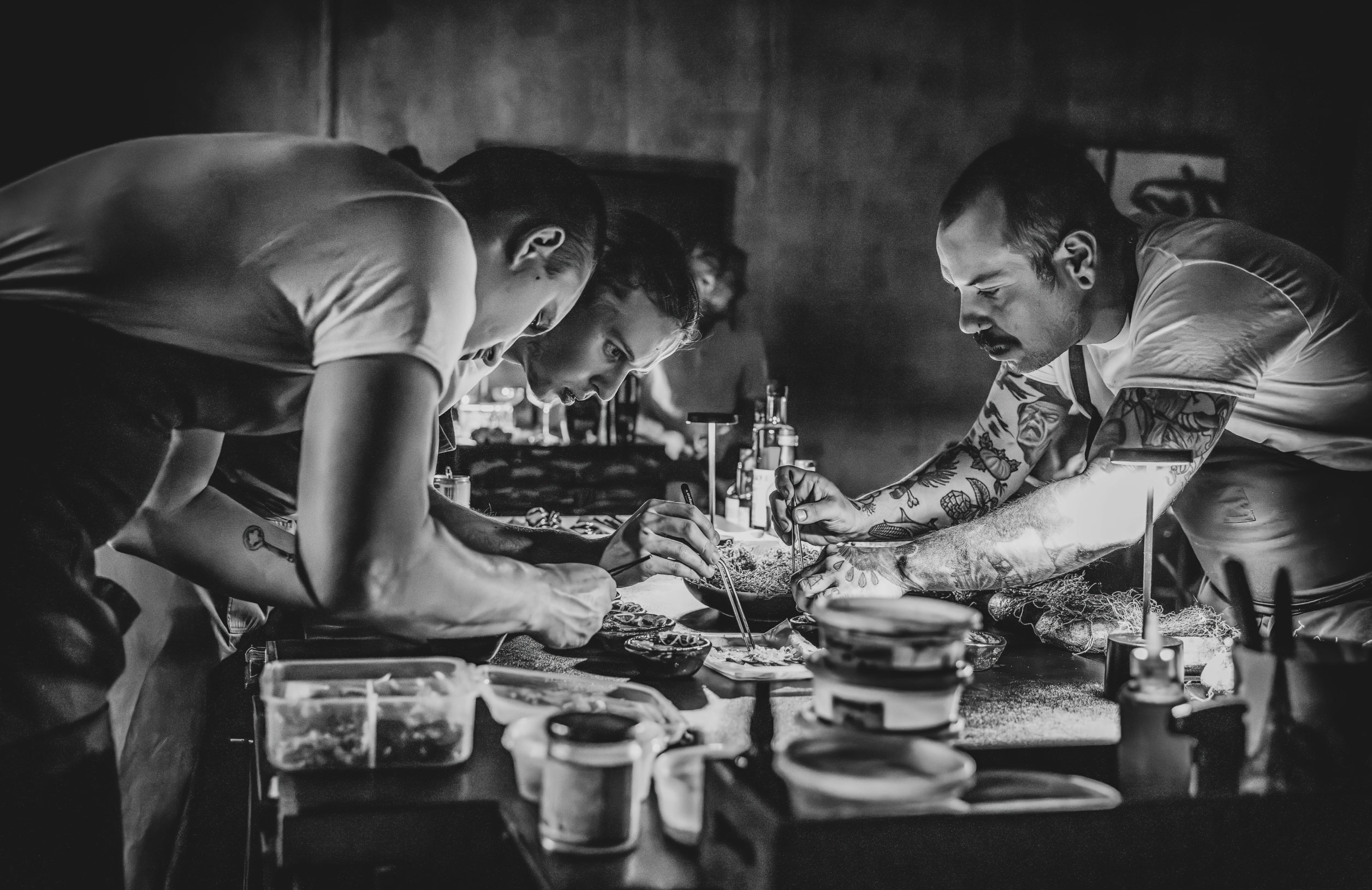
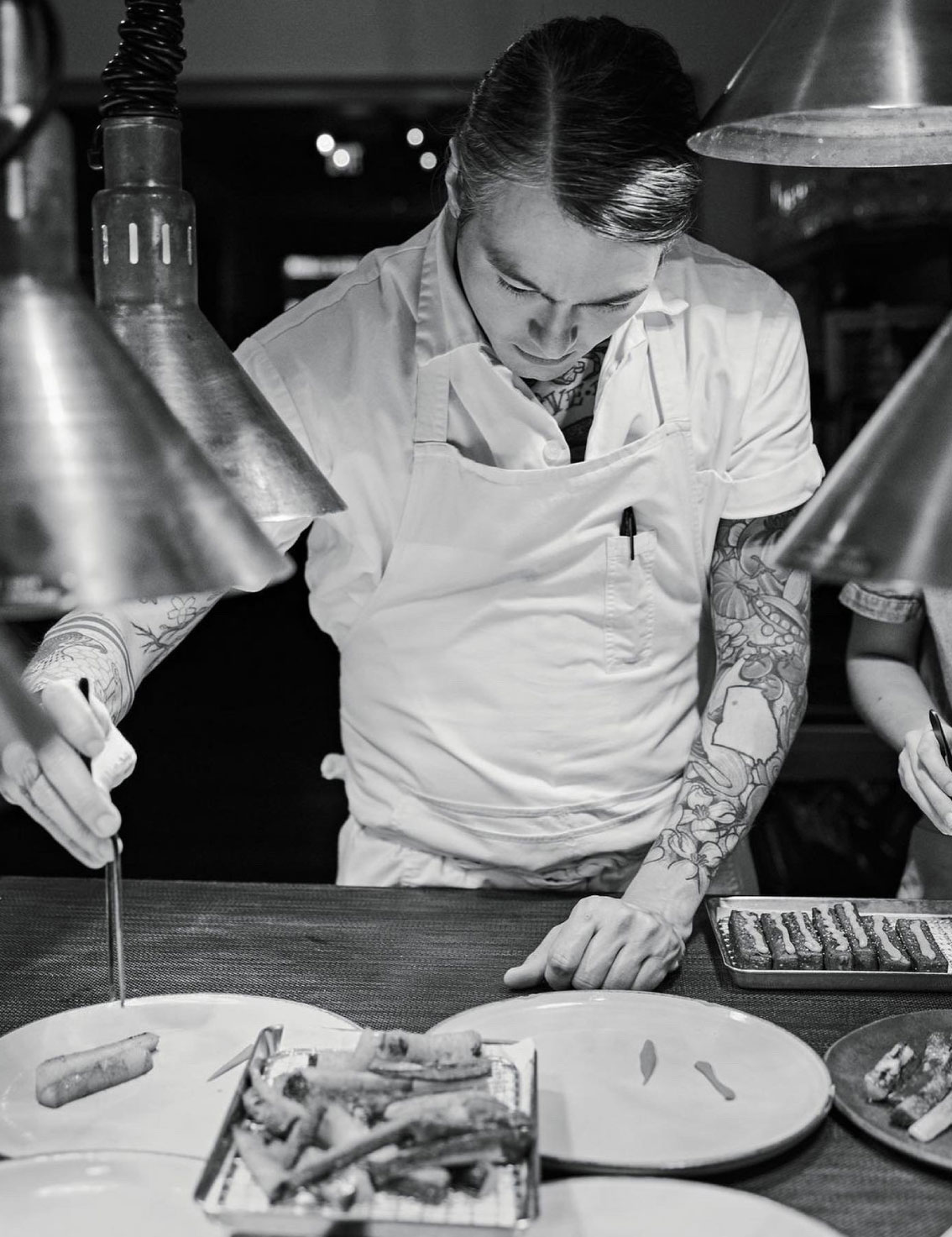
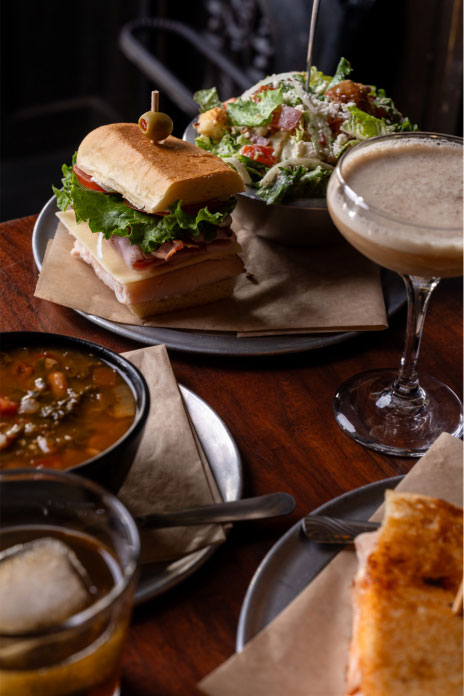
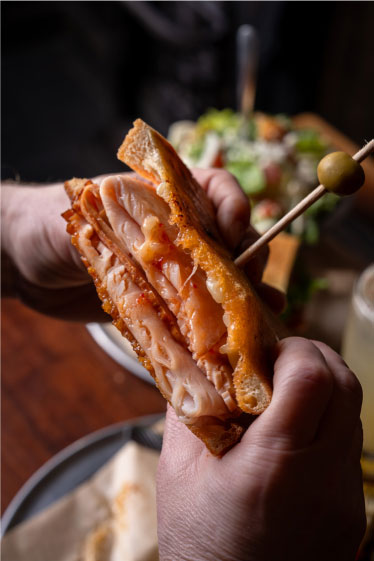
“We don’t have a hood,” he says. “We have two induction burners, a soup warmer, and a panini press. That’s it.”
Constraints force honesty. No smoke and mirrors. No overreaching.
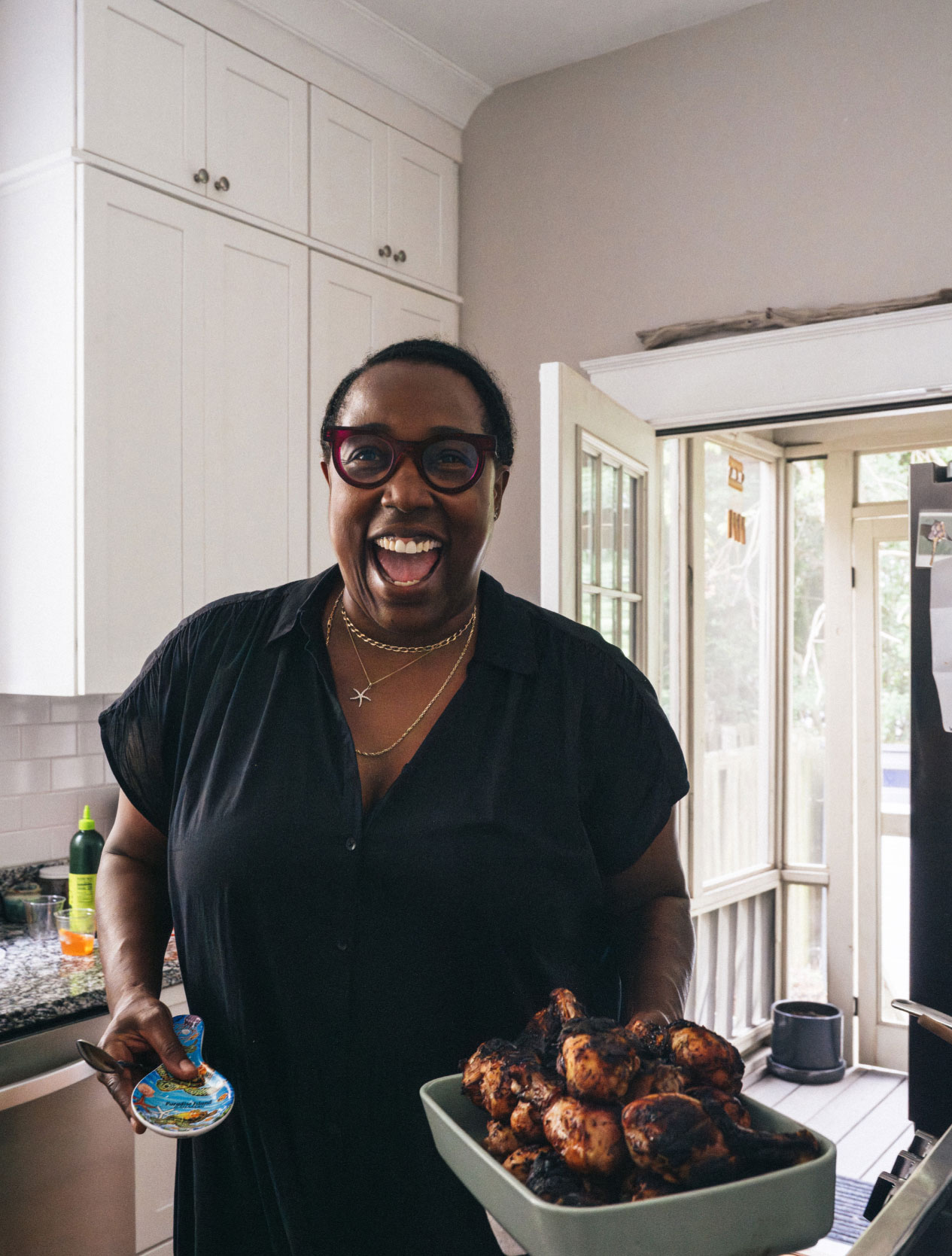
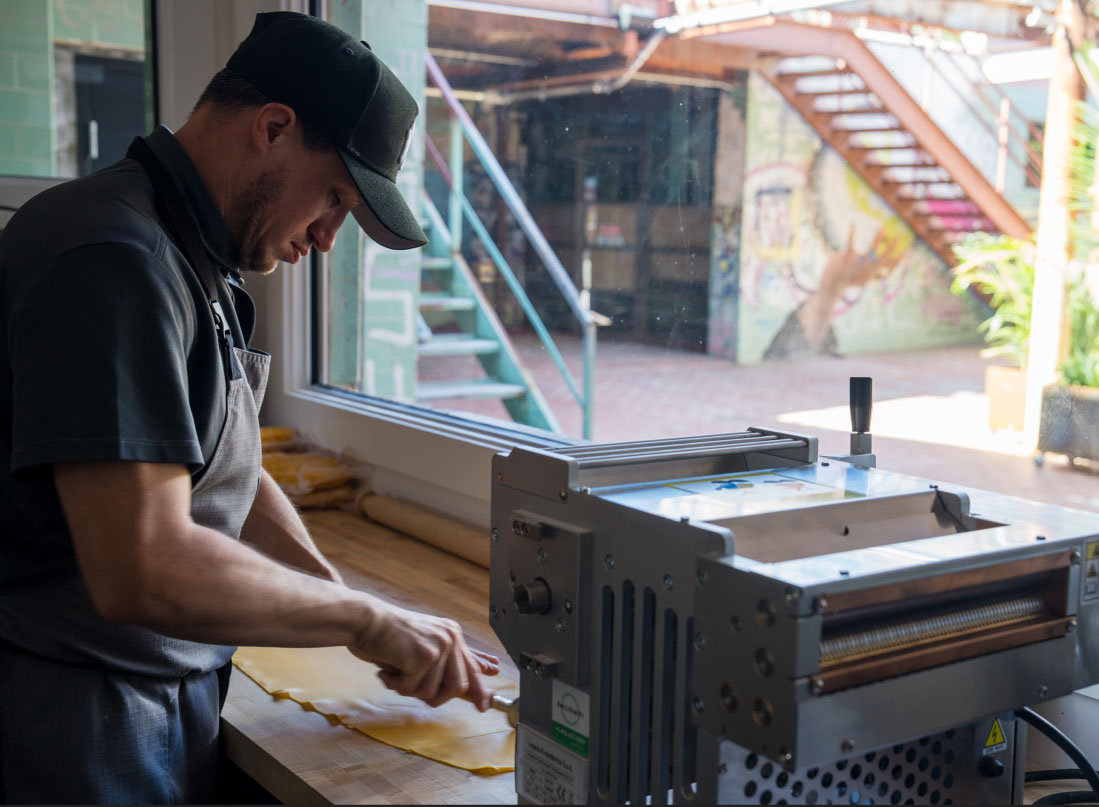
Zimmerman spent years in fine dining, then years making soups, salads, and sandwiches. Black Rabbit pulls from both chapters. Old school sandwiches. Salads that actually satisfy. Soups that change with the seasons. High quality bread, meats, and produce. Food that fills you up without knocking you out.
“I wanted food that was comfortable, filling, healthy,” he says. “And then I get to have fun with the specials.”
That fun shows up quietly. A new soup. A side inspired by something a regular mentioned last week. A request from an employee that turns into something better than expected. Small menu, living edges.
The bread matters here. It always has. Zimmerman has worked with several local bakers over the years and now sources through Flora and Fauna. In a restaurant this small, freshness is not a marketing phrase, it is survival.
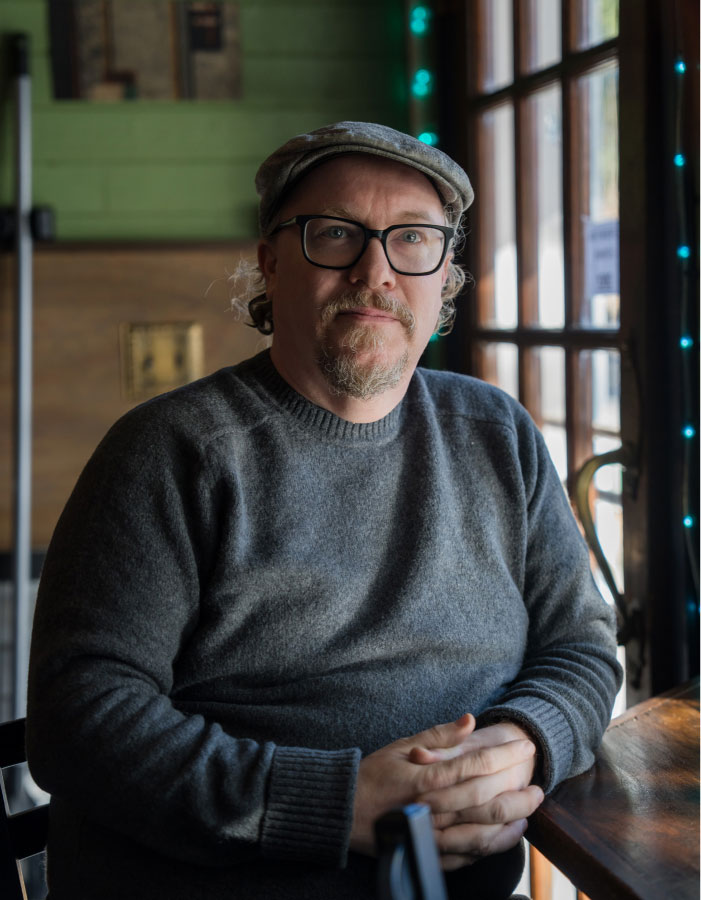
“One of the advantages of being so small is that we’re constantly remaking everything,” he says.
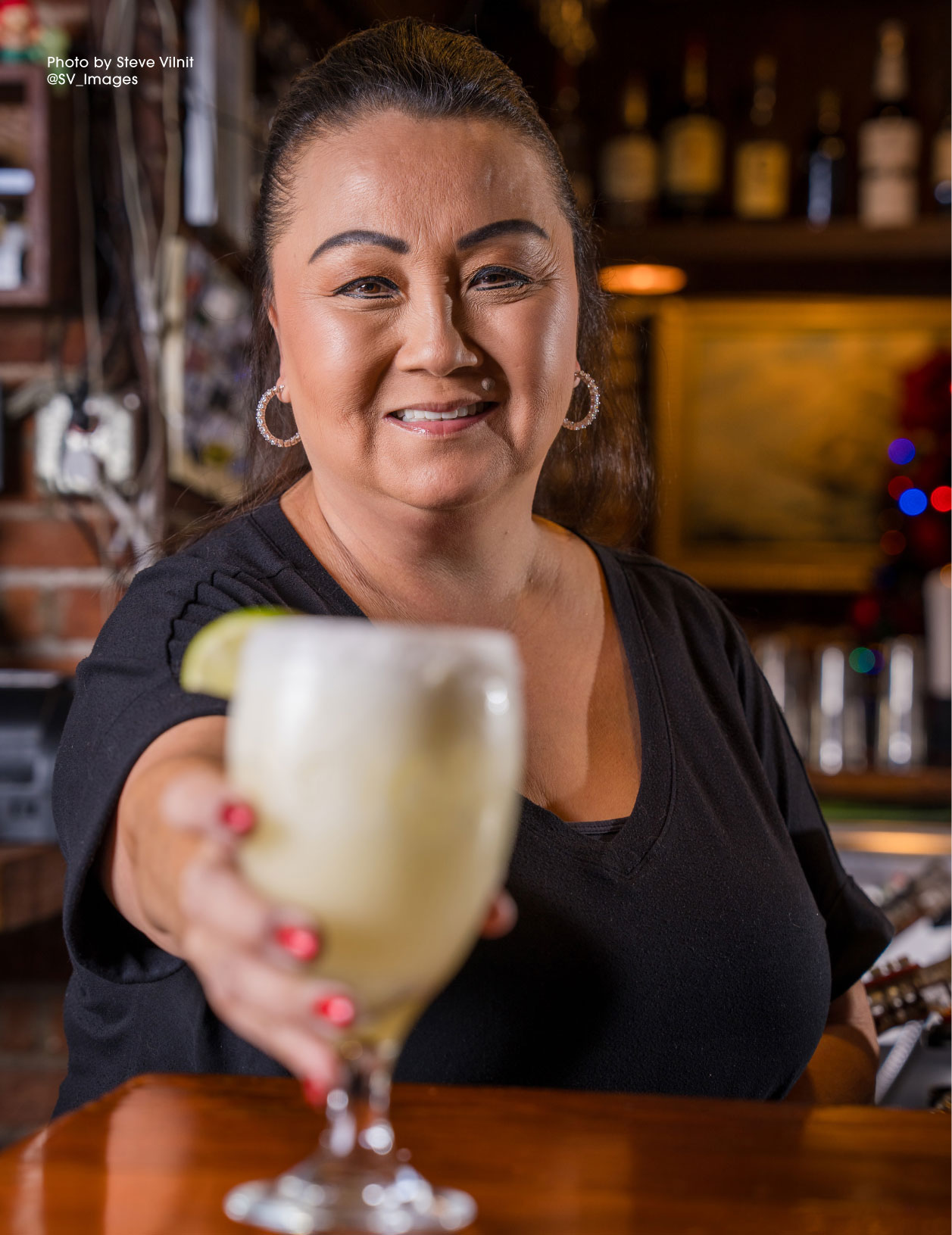
The room fills with a mix that feels increasingly rare. During any given night, you might see service industry workers sitting next to people who live in newly renovated homes down the street. Wealth and work boots sharing the same bar. No one blinking.
“It really is a neighborhood bar and restaurant,” Zimmerman says. “People walk here. That matters. It tells you something.”
Tourism arrived later than expected. Black Rabbit did not open with Airbnb crowds in mind. But the city changed around it. Suitcases sometimes line the hallway near the kegs while people wait for check in time. It is not ideal, but it is honest.
The thing that keeps Black Rabbit full is not novelty. It is comfort.
“I think people feel welcome here,” Zimmerman says. “We’re not in the main entertainment districts. You can dip into all that and then sneak over here.”
There is wisdom in that positioning, whether intentional or instinctive. Black Rabbit closes at one in the morning. No three a.m. chaos. No last call desperation. It avoids the sharp edges by design.
When Zimmerman talks about Savannah now, his voice carries both affection and realism. The city is growing.
More restaurants are opening. The slices are getting thinner even as the pie grows. Not everyone will survive.
“We’re a bit of a dying breed,” he says. “A small local neighborhood bar and restaurant. A lot of people borrow too much money. They get into bad partnerships. They don’t really know what they’re signing up for.”
Black Rabbit has survived by staying small and staying true. It cannot grow much. It does not want to. That restraint is its strength.
There is no pitch here. No reinvention. No promise of the next big thing.
Just a black rabbit on a quiet street, still doing what it has always done. Waiting for you to walk in.
I think people feel welcome here
Photos by Steve Vilnit @SV_images