The Curb Cut
David Permut is heading to Savannah for a visit measured in hours. He’ll arrive in time for an evening in town, represent two films at the SCAD Savannah Film Festival, then depart after a Saturday Q&A to make it back to Los Angeles for another premiere.
He had hoped to stay longer, eat his way across the city, and take in what he calls Savannah’s “spirit.” This trip, though, has an urgent purpose. He is here to share Being Heumann with an audience and celebrate the woman whose life’s work changed how millions of people move through the world.
Trusted by 70,000+ Savannah Locals
Get the stories, restaurant discoveries, events, and insider recommendations that locals already rely on.
“Did you ever look down at every street crossing in America and see a curb cut?” Permut asked. Most people have, yet few know the story behind them. “That curb cut exists for a reason,” he said, tracing the path back to Judy Heumann, the disability rights pioneer who co-led the historic 1977 Section 504 sit-in in San Francisco.
Heumann contracted polio as a toddler and used a wheelchair throughout her life. As a young woman, she confronted a country built with virtually no regard for whether people with disabilities could enter a municipal building, board a city bus, or even transition from asphalt to sidewalk. In April 1977, Heumann and fellow advocates occupied the regional Department of Health, Education, and Welfare building to demand long-delayed federal regulations enforcing Section 504 of the Rehabilitation Act. The San Francisco occupation lasted 26 days, becoming the longest civil rights sit-in at a federal building in U.S. history and a watershed moment for disability rights.
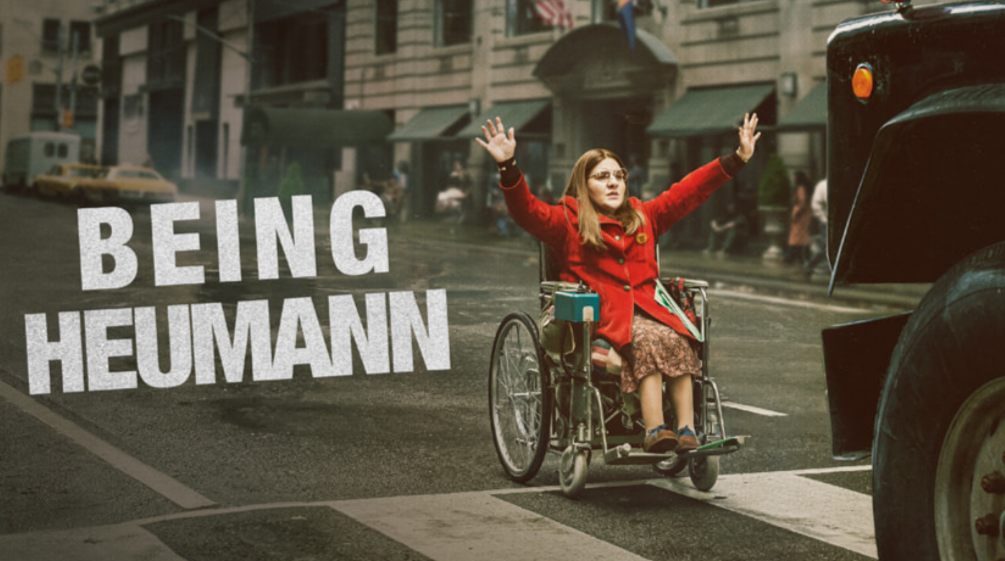
Permut treats the curb cut as an accessible entry point into a story that touches everyone. “One voice made the world a better place,” he said. Being Heumann, directed by Siân Heder and starring Ruth Madeley, brings that struggle to the screen. The production cast disabled actors in leading roles and built hydraulic lifts into trailers across the set. Inclusion, Permut emphasized, had to extend beyond the script into the logistics of the production itself.
Permut has spent four decades balancing major studio features with biographical films about overlooked figures. His credits include Face/Off and Hacksaw Ridge, as well as Rustin, chronicling the architect of the 1963 March on Washington, and the Emmy-nominated Prayers for Bobby. With Being Heumann, he found a project that delivers compelling storytelling while altering what viewers notice the moment they step back onto the street.
To bring this story to life, the production assembled a heavyweight ensemble. Alongside Madeley, four-time Academy Award nominee Mark Ruffalo stars as HEW Secretary Joseph Califano, the federal official pressured by the protests, while Dylan O’Brien plays Evan White, the television news reporter who covered the occupation from inside the building. The cast also features Rob Delaney, Ray Fisher, and CODA star Daniel Durant, anchoring an ensemble recognized as one of the largest and most visible gatherings of disabled performers in a major film.
The initial test screening confirmed that impact. “There were 300 people,” he recalled. “They stood up.” The film balances historical gravity with humor, an instinct true to Heumann, who passed away in 2023 while the adaptation was underway. Permut recalled an evening out when he noticed a silver object she carried. When he asked about it, she deadpanned that it was “to let air out of people’s tires as they park in a handicap zone, and they’re not handicapped.”
That irreverent streak was central to her power. Heumann was never a passive symbol. She was a sharp, persistent strategist who built broad coalitions among communities systematically excluded from public life. “Every time I look down at a street crossing, I think of Judy Heumann,” Permut said.
He hopes moviegoers leave mindful of the organizers behind everyday public accommodations they take for granted. “Everybody has a voice,” he said. “And they should use their voice and express themselves that way. As Judy did.”
The film’s message carries a distinct charge in Savannah, where historic preservation shapes civic life. Preservation and accessibility inevitably collide in the routines of everyday navigation: negotiating brick walkways, entering centuries-old doorways, dining in historic squares, or finding an accessible path. Permut observed that while Savannah takes pride in safeguarding its history, Heumann’s legacy poses an essential follow-up question: who is granted full access to take part in that heritage?
Asked what he hopes audiences take away in an era of intense polarization, Permut returned to the unifying power of cinema. He quoted the enduring motto associated with Warner Bros. co-founder Harry Warner: “To educate, entertain, and enlighten.” For Permut, Being Heumann aims for all three, reminding viewers that a more universally accessible world began with a coalition of people who simply refused to leave the room.
Being Heumann screens at the SCAD Savannah Film Festival on Saturday, October 24 at 1:30 p.m. at Trustees Theater, followed by a Q&A with Permut. The film arrives in select theaters on November 6 and premieres for streaming on Apple TV+ on November 13.
About The Author
Brett Bigelow
Related posts:
 What to Do in Savannah, October 26 to November 01, 2026
 Put Your Stash to Work
 Drawn to the Sea
 Lil Wayne Brings the Carter Catalog
 The Space Between Things
 THE STORY BEHIND THE STORY
 Randy’s Barbeque
 The Talented Mr. Green
 The Way She Makes You Feel
 180 Million Reasons to Look Closer
 Around Mashama’s Table
 Dear Enmarket Arena,
 Hannah Dasher Knows Exactly Where She’s From
 Building the Place People Come Back To
 Late Night Crossroads: Fancy Parker’s Market
 Meet The Baker’s: Brochu’s Family Tradition
 Peacock Lounge
 BAZAAR BY SHOPSCAD IS GIVING SAVANNAH A FRONT ROW SEAT TO SCAD TALENT
 E-Tang and the Rise of the Soup Dumpling
 Strangebird Returns
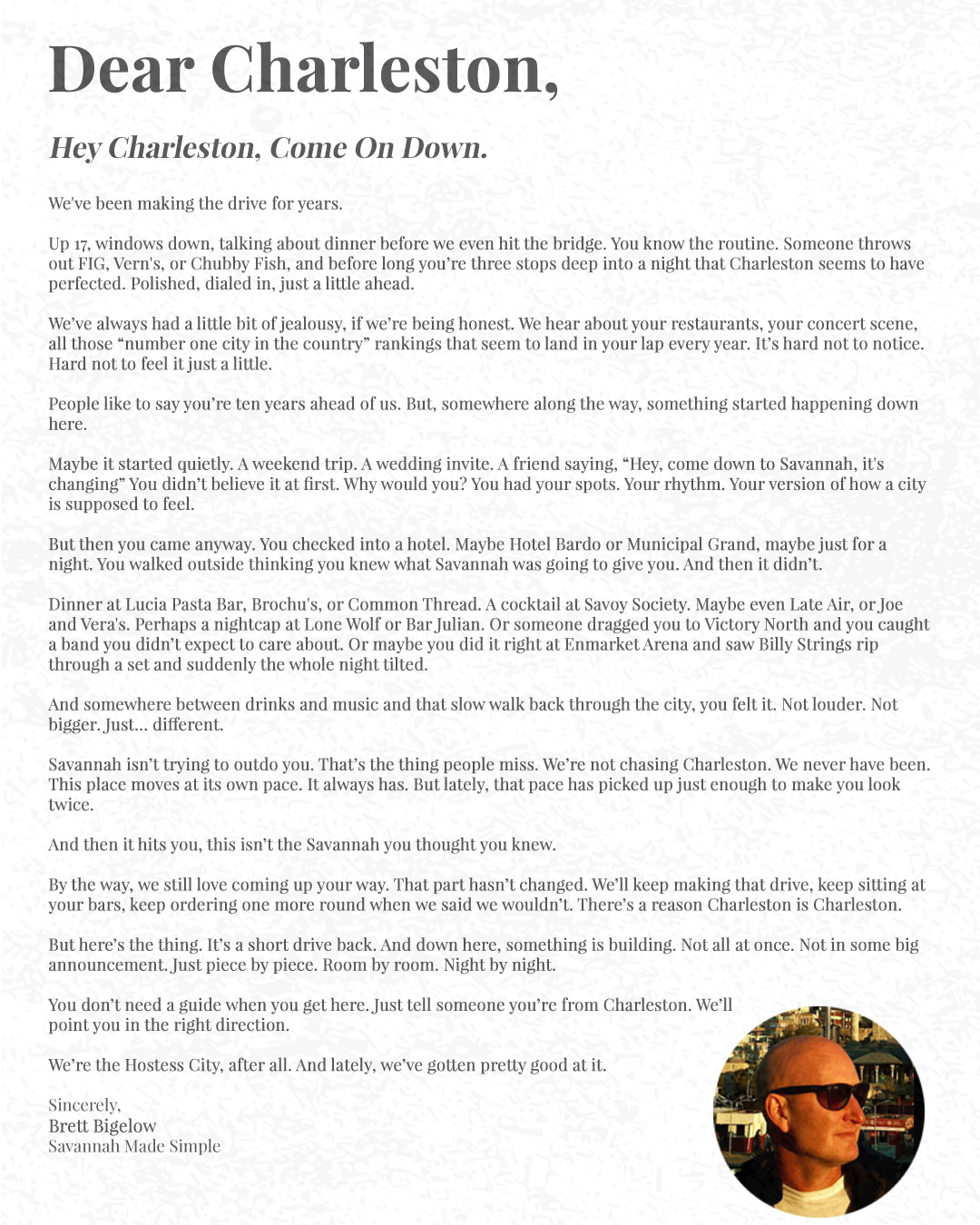 Dear Charleston,
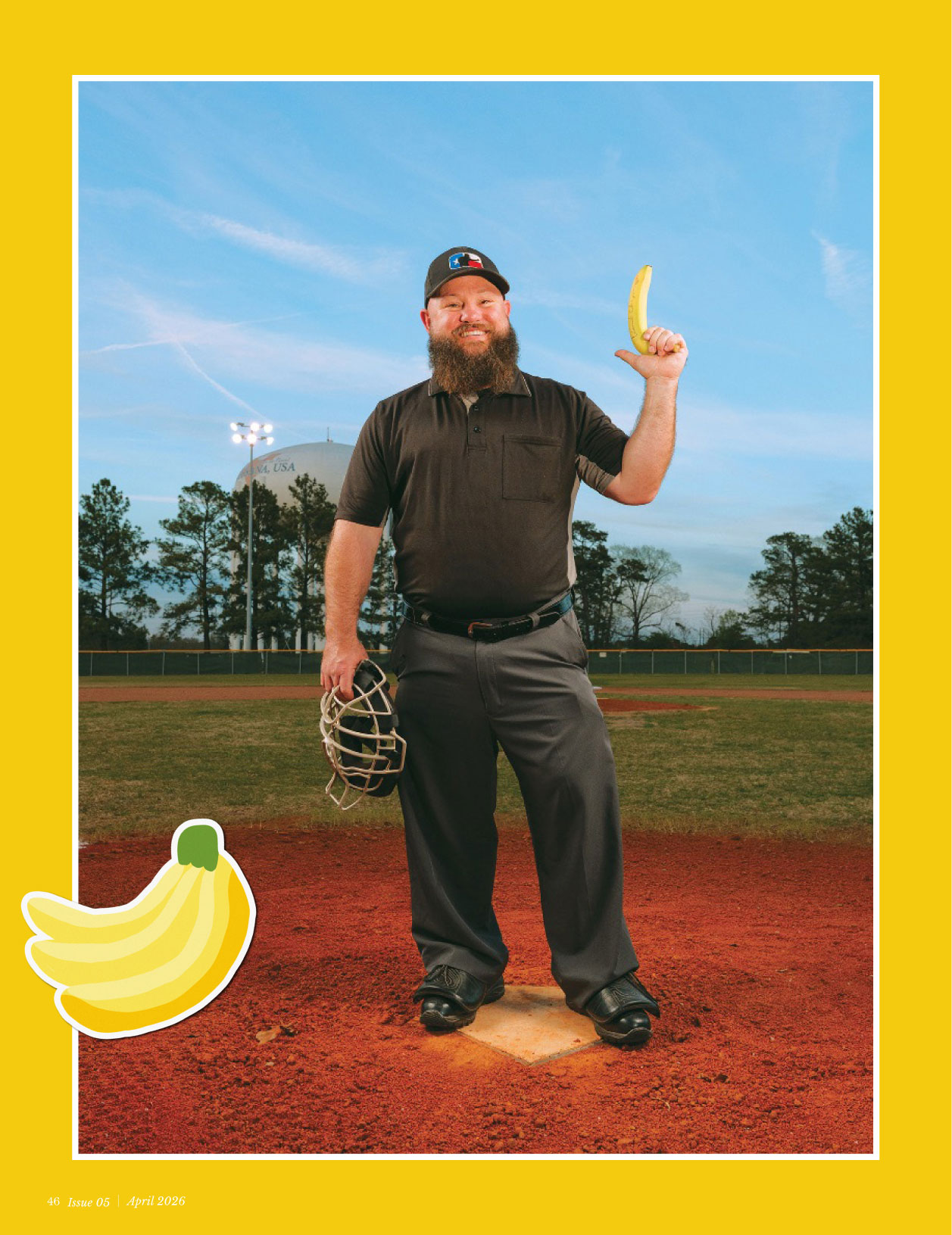 America’s Umpire
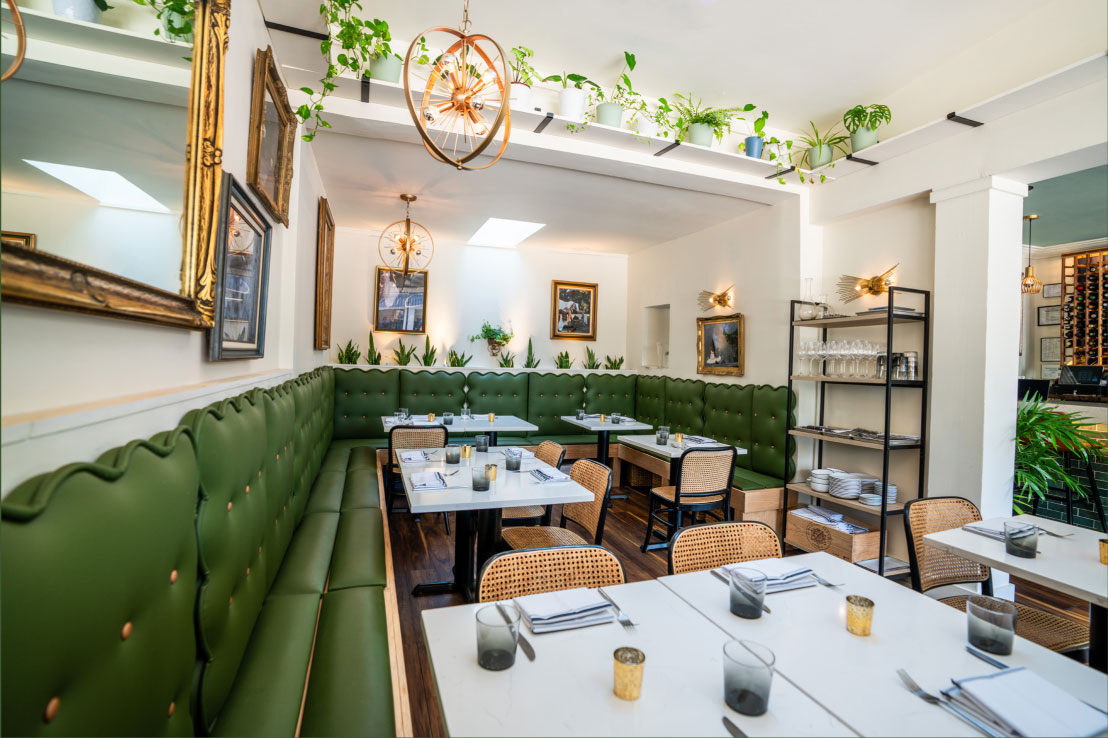 HOW SOBREMESA FOUND ITS SHAPE
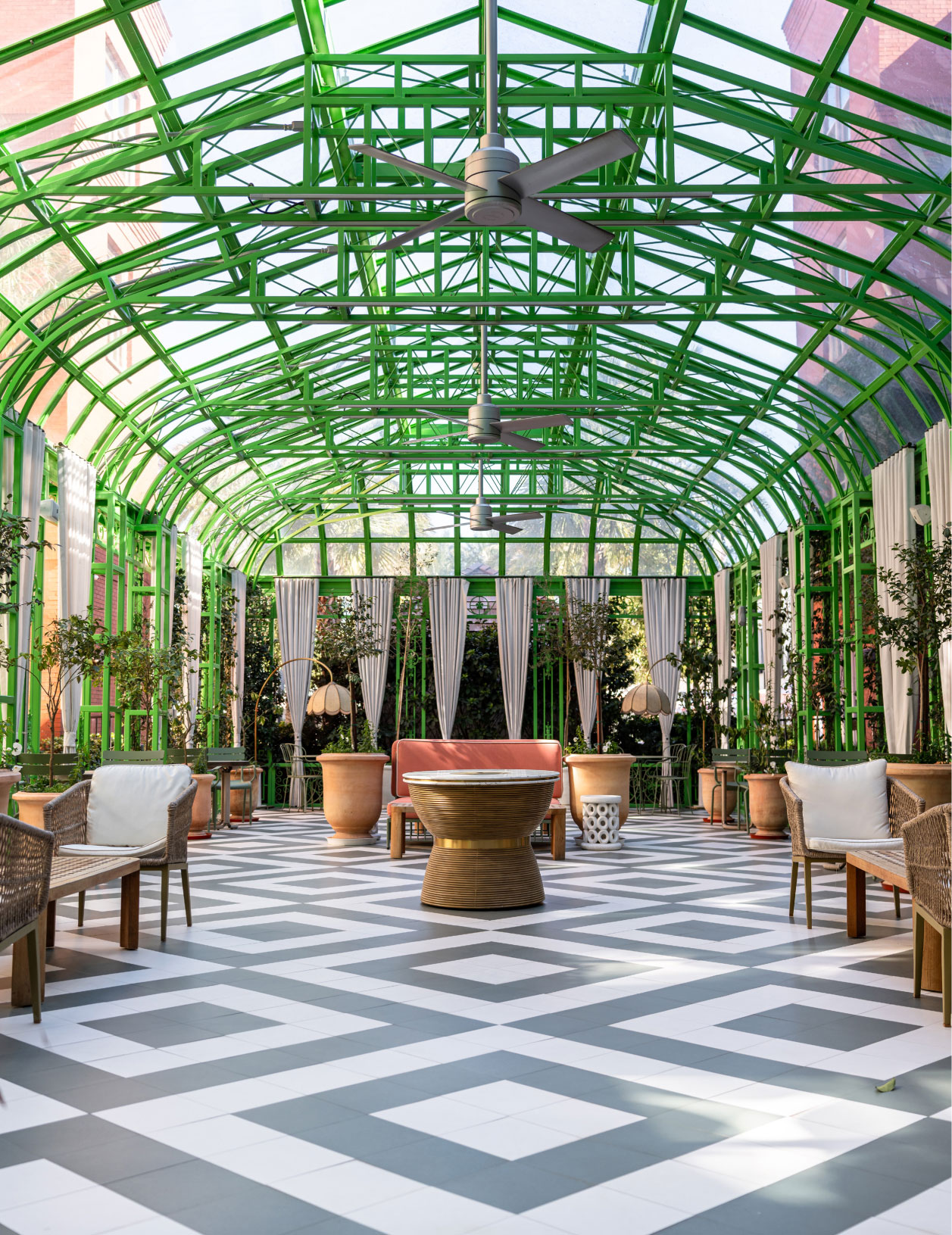 Bar Bibi at Hotel Bardo
 Black Rabbit and the Quiet Art of Staying Put
 FARM: Savannah’s Favorite Neighborhood Restaurant in Bluffton
 The Art Of Creation
 Heeler Supper Club: A Secret Table in Starland Worth Finding
 Savannah did not always see itself as a serious food city.
 The Long Way Back to the Lights
 Bread Trust and the Work of Carrying on.
 THE MARTHARITA: HOW A DRINK BECOMES FOLKLORE
 SMF the image of the Sinisa Ciric
 Fishbar: living by the fire
 My Father’s Camera
 Matt & Jane: Savannah Wants Both!
 Coffee Shop imagination
 A Day in Starland w/ Josephine Johnson
 Dibs! We Call Jingle Bells!
 A Portrait of Persistence: The Art of Jayce Hall
 Darling Oyster Bar
 The Art of Creation
 Lucia Pasta Bar & The Art of Feeling Right at Home
 Broughton Street Revival
 Untitled Bar
 The Ice Tub Club
 Salt, Soul, and Sea Wolf
 Randall Patrick
 Meet Chef Chino
 Susanna Kennedy Mesmerizing
 Savannah Photo Club: Like a community focused on love and family.
 Striking Creativity with Vintage Matchbook Art
 From Afghanistan to SCAD: Afghan Sisters Escape Taliban in ‘One Step Away.’
 Savannah Shows Up: How this new restaurant was welcomed with open arms
 Pop Up Revolution: Inside Fleeting’s ever changing table
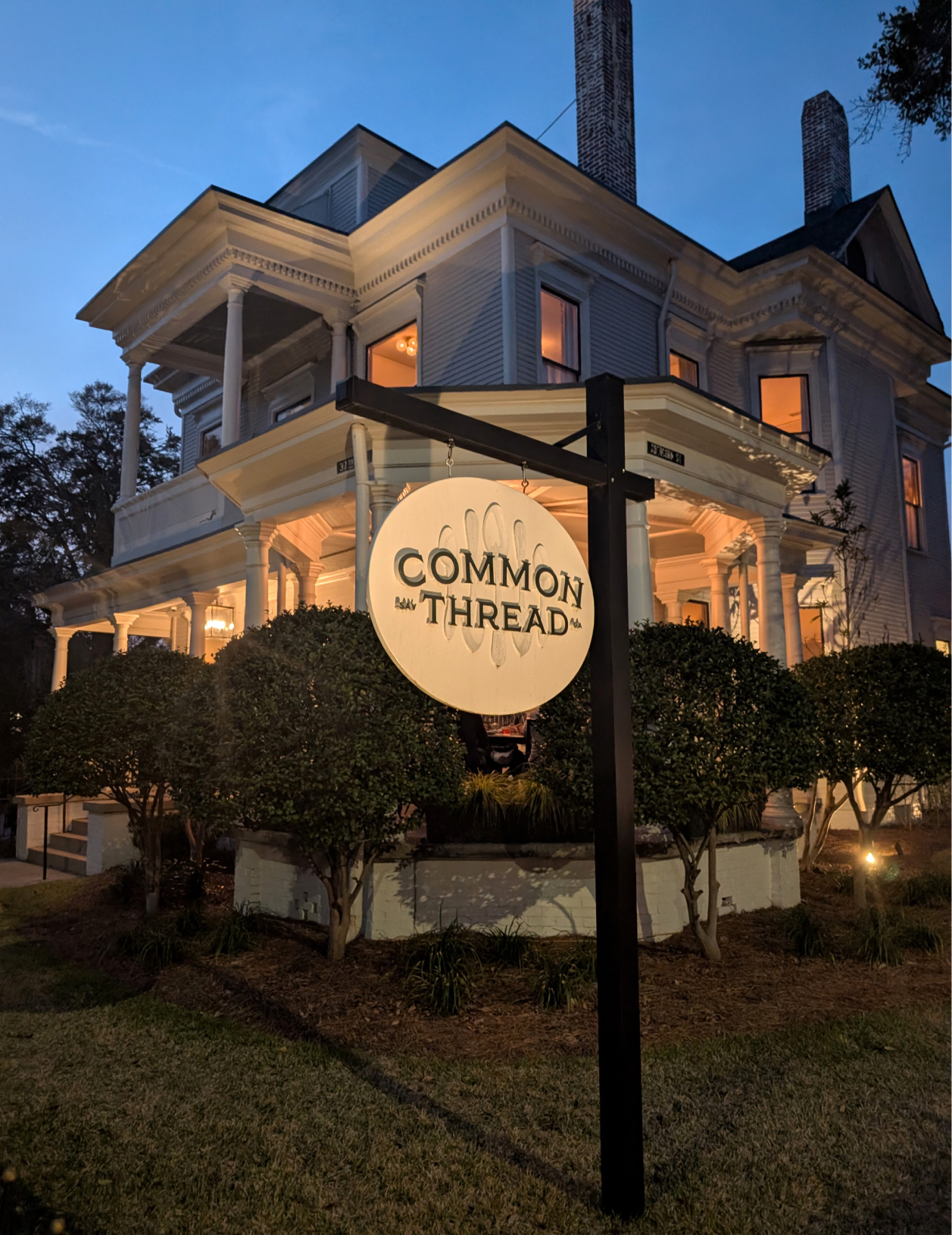 COMMON THREAD & Savannah’s Culinary Awakening
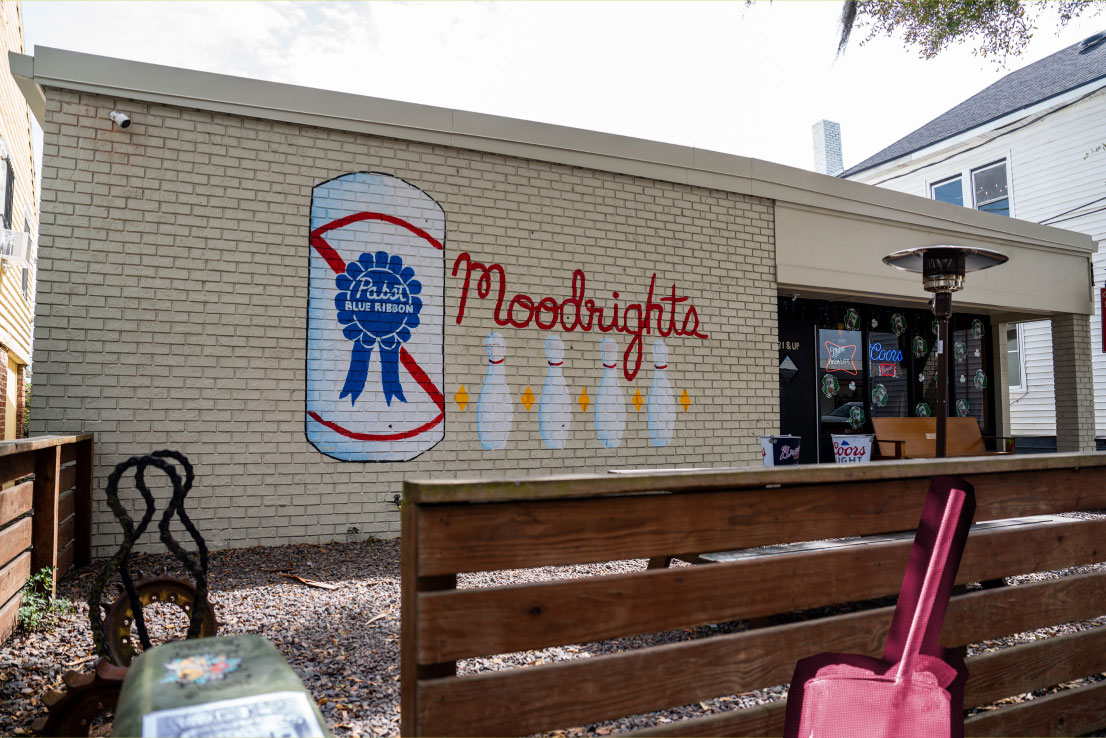 Savannah’s Coolest Block
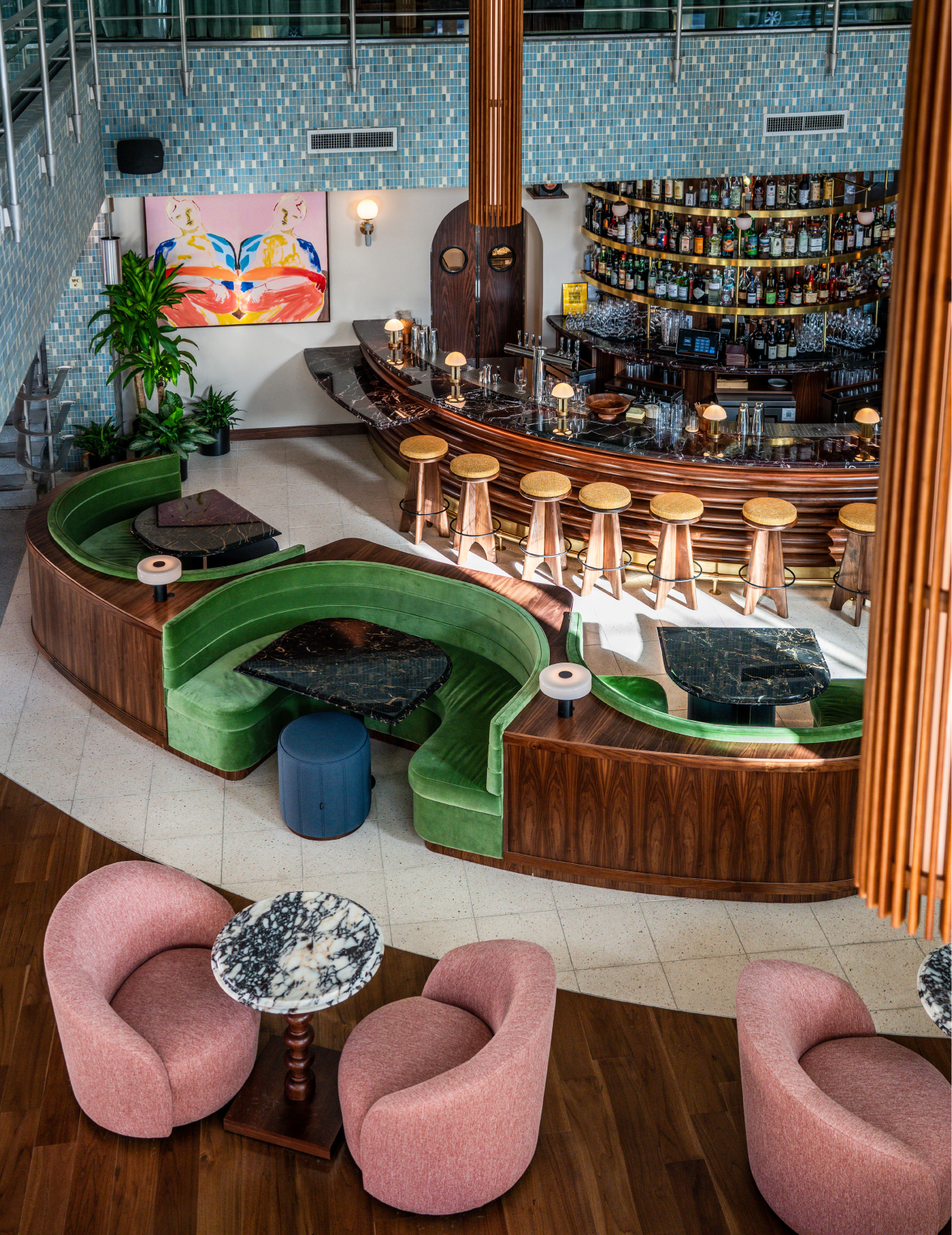 Municipal Grand: Savannah’s New Living Room
 Why does Savannah Made Simple Magazine exist?
 SCAD Savannah Film Festival Wraps Another Incredible Year
 Savannah For Morons: The Comedy Trolley Tour That Will Have You in Stitches
 Bleak, Beautiful, and Honest: Randall Patrick’s Savannah
 After Last Call: Savannah’s Late Night Savior
 Savannah’s Culinary Revolution: Fleeting’s Guest Chef Pop-Ups
 Birria Beyond Borders: How One Spot in Savannah Became a Culinary Crossroads
 Foxtail Coffee Co. Opens in Savannah
 Beneath the Surface: How Bowl & Brew is Redefining Broughton Street entertainment
 Savannah Showed Up: How this new restaurant was welcomed with open arms
 From peaches to oysters? Georgia’s newest culinary trend.
 Brochu’s Sour Hour: Where hip, fun, and food collide
Categories: Article
Tags: , #Georgia, #Savannah GA, #Savannah Tourism, #Visit Savannah, Savannah Georgia