180 Million Reasons to Look Closer
The first time Andy Barrow tried explaining what he was building, I didn’t completely get it. I wanted to.
I knew enough to know it sounded interesting. A replica of Forsyth Fountain. Months of work. Advanced scanning technology. Local stores beginning to carry them.
But some things are easier to understand once they’re sitting in front of you.
Then Andy sat down the box.
Trusted by 70,000+ Savannah Locals
Get the stories, restaurant discoveries, events, and insider recommendations that locals already rely on.
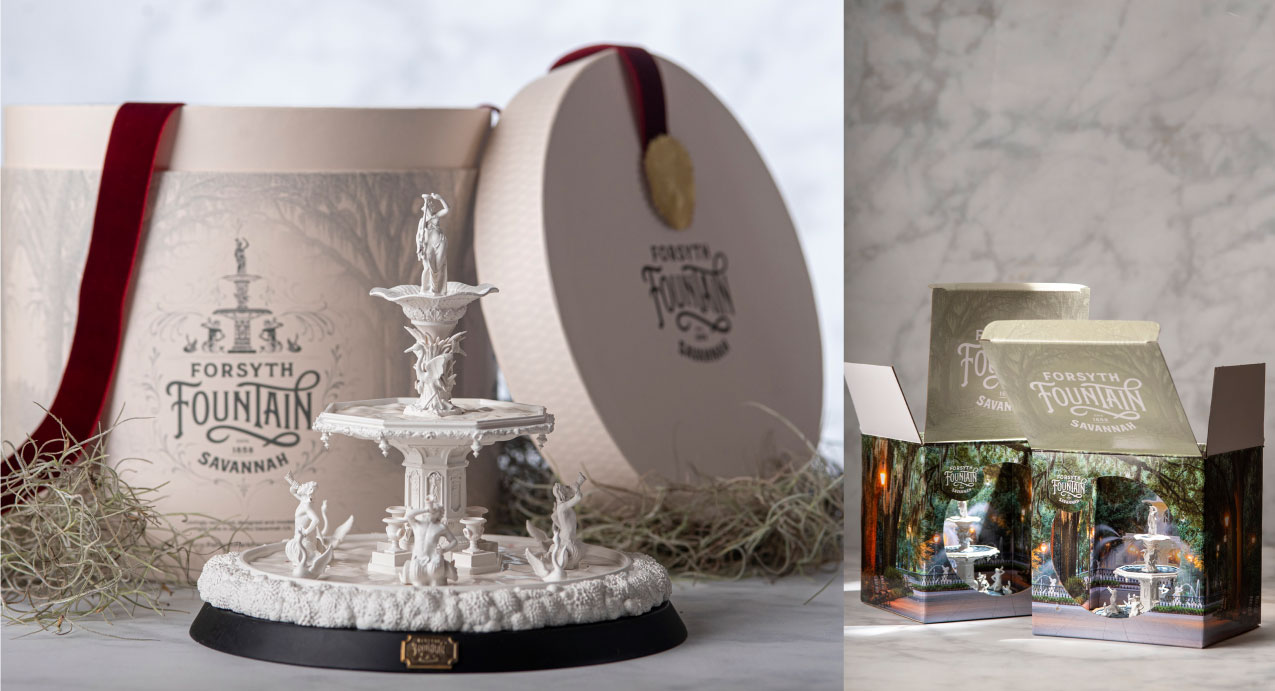
Suddenly this wasn’t a souvenir. It wasn’t another gift shop version of Savannah’s most photographed landmark. It was heavy, detailed, and surprisingly emotional. The tiny fence surrounding the fountain was there. The swans were there. The decorative flourishes were there. Even details most people walk past every day without noticing had somehow made the journey into miniature form.
And that is when the real story revealed itself.
Because this is not really a story about a replica. It is a story about obsession.
Like most good Savannah stories, it starts with timing. When the city removed Forsyth Fountain for its major restoration project, something extraordinary happened. For the first time in 168 years, one of Savannah’s most recognizable landmarks was completely disassembled.
Most people saw construction fencing. Andy Barrow saw opportunity.
“We knew that we wanted to do this when we came to Savannah,” he says. “But we thought it would take years to get permissions and everything.”
Then the fountain came apart. Suddenly the impossible became possible.
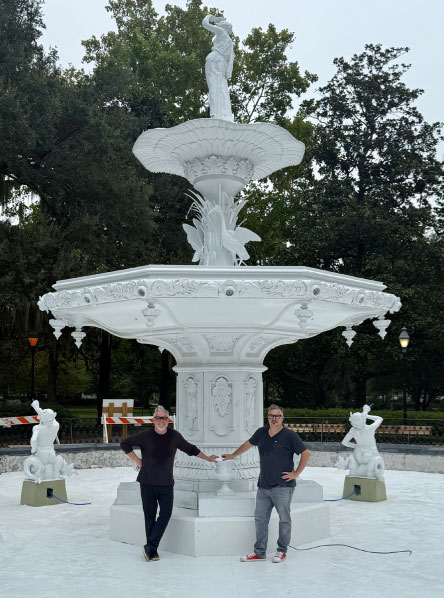
The restoration project gave Barrow access few people had ever received. Instead of viewing the fountain from the pathways below, he found himself climbing on it, around it, and through it, documenting every curve, every decorative flourish, and every piece of cast iron that had made the fountain a Savannah icon for generations.
“It was a once in a lifetime opportunity,” he says.
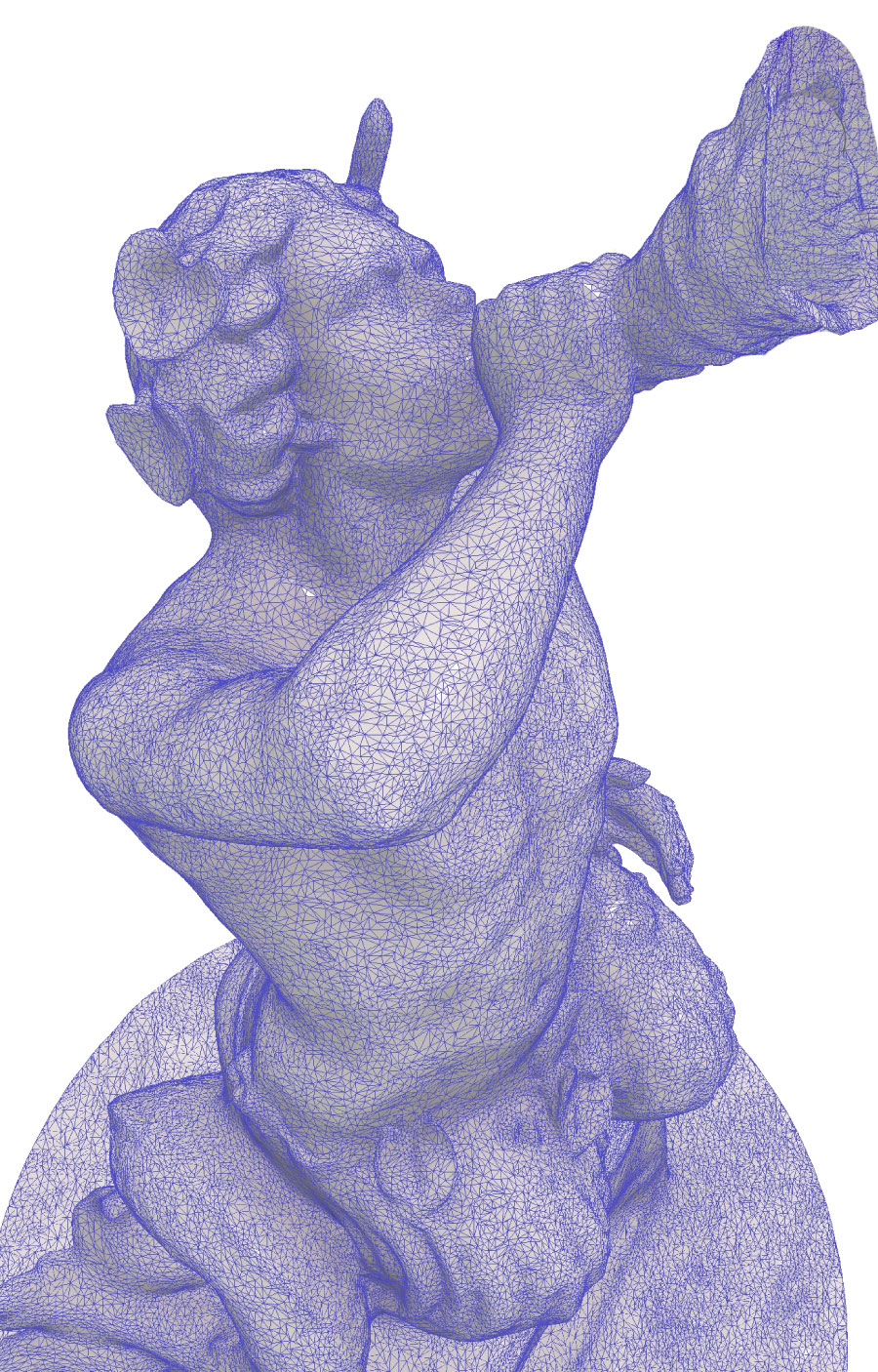
The project quickly became part preservation effort, part engineering challenge, and part love letter to the city. Barrow and his team captured approximately 11,000 photographs of the fountain. They also used LiDAR technology, a scanning process that records physical spaces through millions of highly precise measurements.
“We used cameras and we took about 11,000 photographs, but then we used LiDAR technology,” he explains. “That will scan everything and create data points in space.” The number that resulted is almost impossible to comprehend. “We have over 180,660,330 data points on the fountain.” One hundred eighty million.
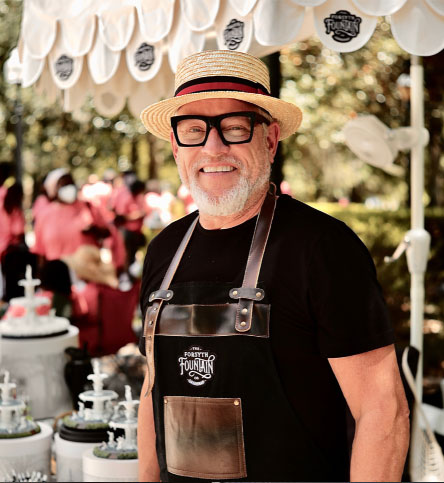
Every curve. Every tier. Every decorative element. Every detail.
The work was far more difficult than simply pointing a scanner at the structure. Bright white paint reflected sunlight and complicated the scans. Different sections had to be captured at different times of day. Early versions of the project failed completely because they lacked enough information to accurately recreate the fountain.
“All of the initial ones that we made failed,” Barrow says. “We didn’t have enough data.”
The deeper they went, the more complicated the project became.
Scanning a structure is only the first step. The information then has to be transformed into a usable digital model. That process required hundreds of hours and the expertise of David “DJ” Johnson, a close friend who became a critical part of the project.
“It’s one thing to scan it,” Barrow says. “If you scan anything, it’s one layer of data thick. It looks good, but it has no structure. You have to fill in all of the structure from the back and smooth everything out.”
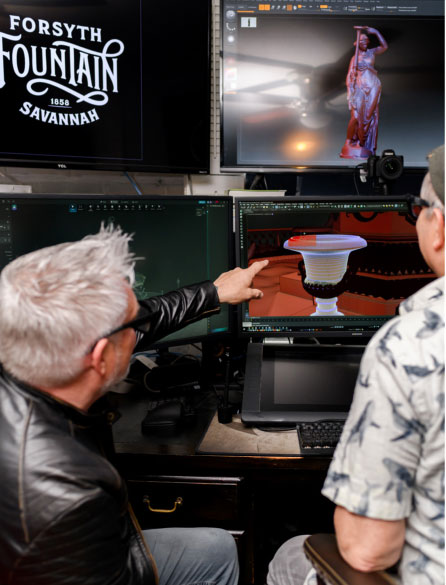
Between the scanning, data processing, modeling, testing, and revisions, the project consumed more than 500 hours. Yet the question driving Barrow remained surprisingly simple.
“Why hasn’t anybody ever done this before?” It is a fair question.
“You don’t go to France and not be able to take home the Eiffel Tower,” he says. “You don’t go to New York and not take home the Empire State Building.”
Yet Savannah’s most recognizable landmark had never been preserved this way.
Part of the reason is practical. The fountain was never created from a digital blueprint. It was originally assembled from countless cast pieces. Until the restoration project provided unprecedented access, there was no realistic way to document it with this level of accuracy.
The opportunity appeared. Barrow took it.
Now the results are beginning to find homes throughout Savannah. The replicas have started appearing in select local retailers, including shops like The Nested Fig and Jones & Bull. Each piece takes roughly sixty days to create.
The larger versions contain sixteen individual parts that must be assembled by hand.
“This one is twelve and a half pounds,” Barrow says as he places one into my hands. You feel it immediately.
The weight. The craftsmanship. The attention to detail.
Even the packaging feels intentional. The box incorporates artwork inspired by Forsyth Park, along with poetry commissioned specifically for the project. Nothing about it feels rushed. Nothing about it feels disposable.
It is clear this was never meant to be a quick souvenir.
Barrow’s ambitions stretch beyond the current collection. He talks about limited editions, larger versions, lighting systems, ornaments, tabletop pieces, candlesticks, serving platters, and even full–scale architectural reproductions. Because once you possess a digital file containing 180 million data points, possibilities multiply quickly.
The story is not really about a replica sitting on a shelf. It is about recognizing a fleeting opportunity and refusing to let it pass. And maybe the more impressive thing is the determination behind it.
One hundred eighty million data points.
And a once–in–a–life-time opportunity.
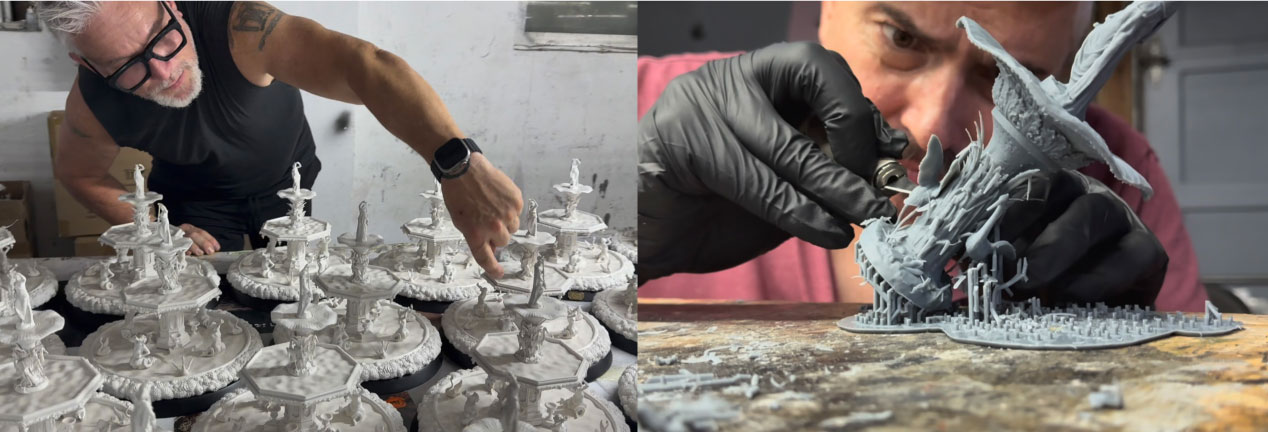
By Brett Bigelow || Process photos by Rachel Carter || Product photos by Claire Barrett
About The Author
Brett Bigelow
Related posts:
 The Cats Are in Charge
 Jim Messina plays District Live
 What to Do in Savannah, October 12 to October 18, 2026
 Drawn to the Sea
 Lil Wayne Brings the Carter Catalog
 The Space Between Things
 THE STORY BEHIND THE STORY
 Randy’s Barbeque
 The Talented Mr. Green
 The Way She Makes You Feel
 Around Mashama’s Table
 Dear Enmarket Arena,
 Hannah Dasher Knows Exactly Where She’s From
 Building the Place People Come Back To
 Late Night Crossroads: Fancy Parker’s Market
 Meet The Baker’s: Brochu’s Family Tradition
 Peacock Lounge
 BAZAAR BY SHOPSCAD IS GIVING SAVANNAH A FRONT ROW SEAT TO SCAD TALENT
 E-Tang and the Rise of the Soup Dumpling
 Strangebird Returns
 Dear Charleston,
 America’s Umpire
 HOW SOBREMESA FOUND ITS SHAPE
 Bar Bibi at Hotel Bardo
 Black Rabbit and the Quiet Art of Staying Put
 FARM: Savannah’s Favorite Neighborhood Restaurant in Bluffton
 The Art Of Creation
 Heeler Supper Club: A Secret Table in Starland Worth Finding
 Savannah did not always see itself as a serious food city.
 The Long Way Back to the Lights
 Bread Trust and the Work of Carrying on.
 THE MARTHARITA: HOW A DRINK BECOMES FOLKLORE
 SMF the image of the Sinisa Ciric
 Fishbar: living by the fire
 My Father’s Camera
 Matt & Jane: Savannah Wants Both!
 Coffee Shop imagination
 A Day in Starland w/ Josephine Johnson
 Dibs! We Call Jingle Bells!
 A Portrait of Persistence: The Art of Jayce Hall
 Darling Oyster Bar
 The Art of Creation
 Lucia Pasta Bar & The Art of Feeling Right at Home
 Broughton Street Revival
 Untitled Bar
 The Ice Tub Club
 Salt, Soul, and Sea Wolf
 Randall Patrick
 Meet Chef Chino
 Susanna Kennedy Mesmerizing
 Savannah Photo Club: Like a community focused on love and family.
 Striking Creativity with Vintage Matchbook Art
 From Afghanistan to SCAD: Afghan Sisters Escape Taliban in ‘One Step Away.’
 Savannah Shows Up: How this new restaurant was welcomed with open arms
 Pop Up Revolution: Inside Fleeting’s ever changing table
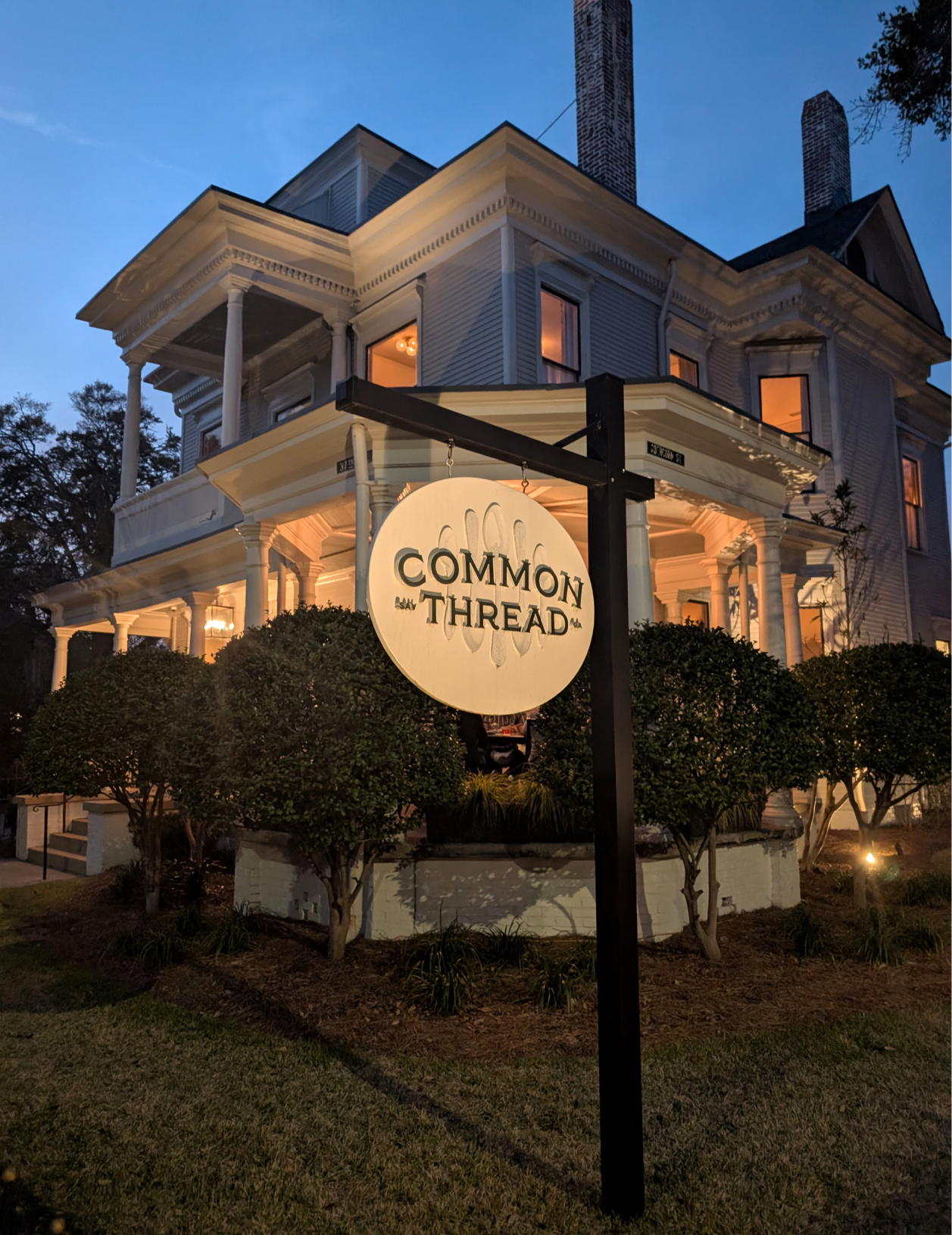 COMMON THREAD & Savannah’s Culinary Awakening
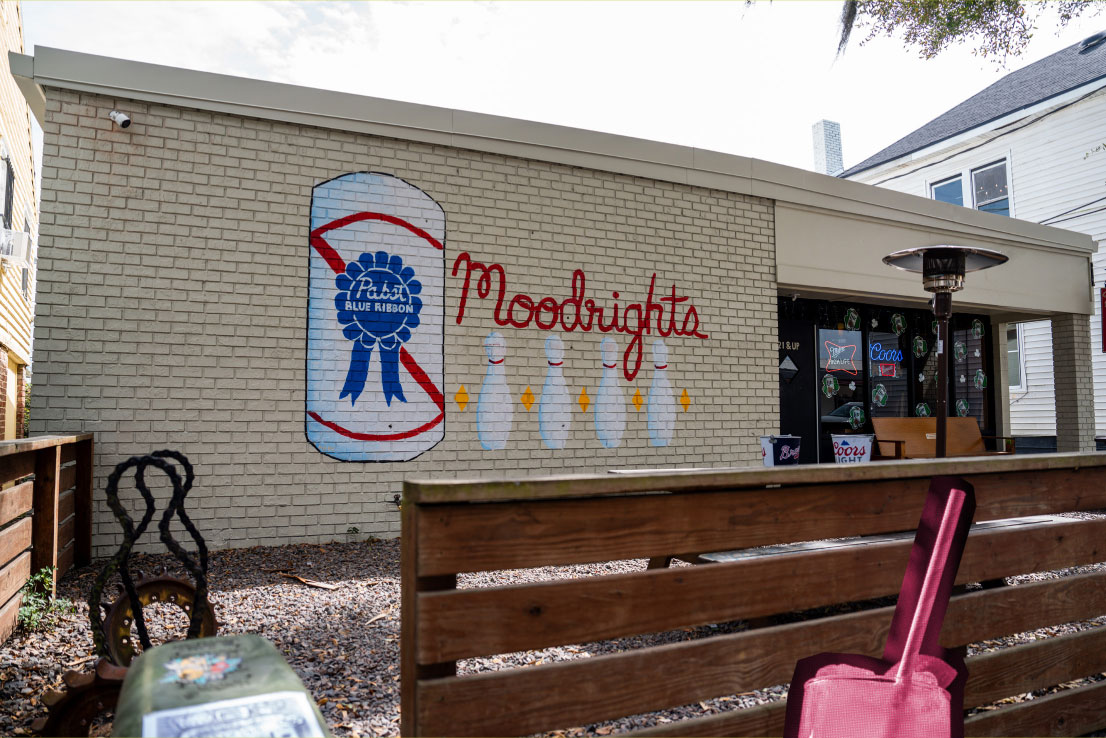 Savannah’s Coolest Block
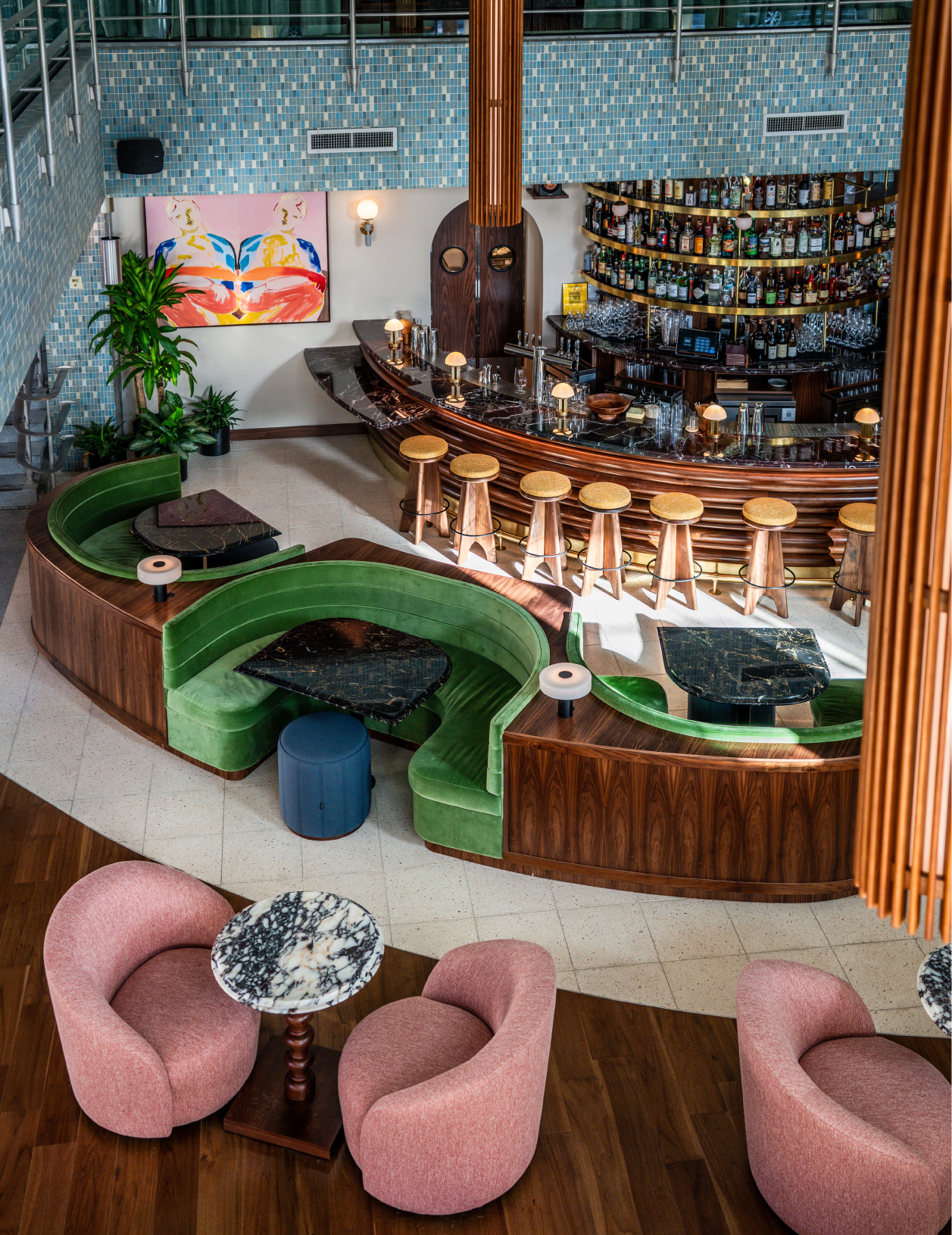 Municipal Grand: Savannah’s New Living Room
 Why does Savannah Made Simple Magazine exist?
 SCAD Savannah Film Festival Wraps Another Incredible Year
 Savannah For Morons: The Comedy Trolley Tour That Will Have You in Stitches
 Bleak, Beautiful, and Honest: Randall Patrick’s Savannah
 After Last Call: Savannah’s Late Night Savior
 Savannah’s Culinary Revolution: Fleeting’s Guest Chef Pop-Ups
 Birria Beyond Borders: How One Spot in Savannah Became a Culinary Crossroads
 Foxtail Coffee Co. Opens in Savannah
 Beneath the Surface: How Bowl & Brew is Redefining Broughton Street entertainment
 Savannah Showed Up: How this new restaurant was welcomed with open arms
 From peaches to oysters? Georgia’s newest culinary trend.
 Brochu’s Sour Hour: Where hip, fun, and food collide
Categories: Article
Tags: , #Georgia, #Savannah GA, #Savannah Tourism, #Visit Savannah, Savannah, Savannah Georgia