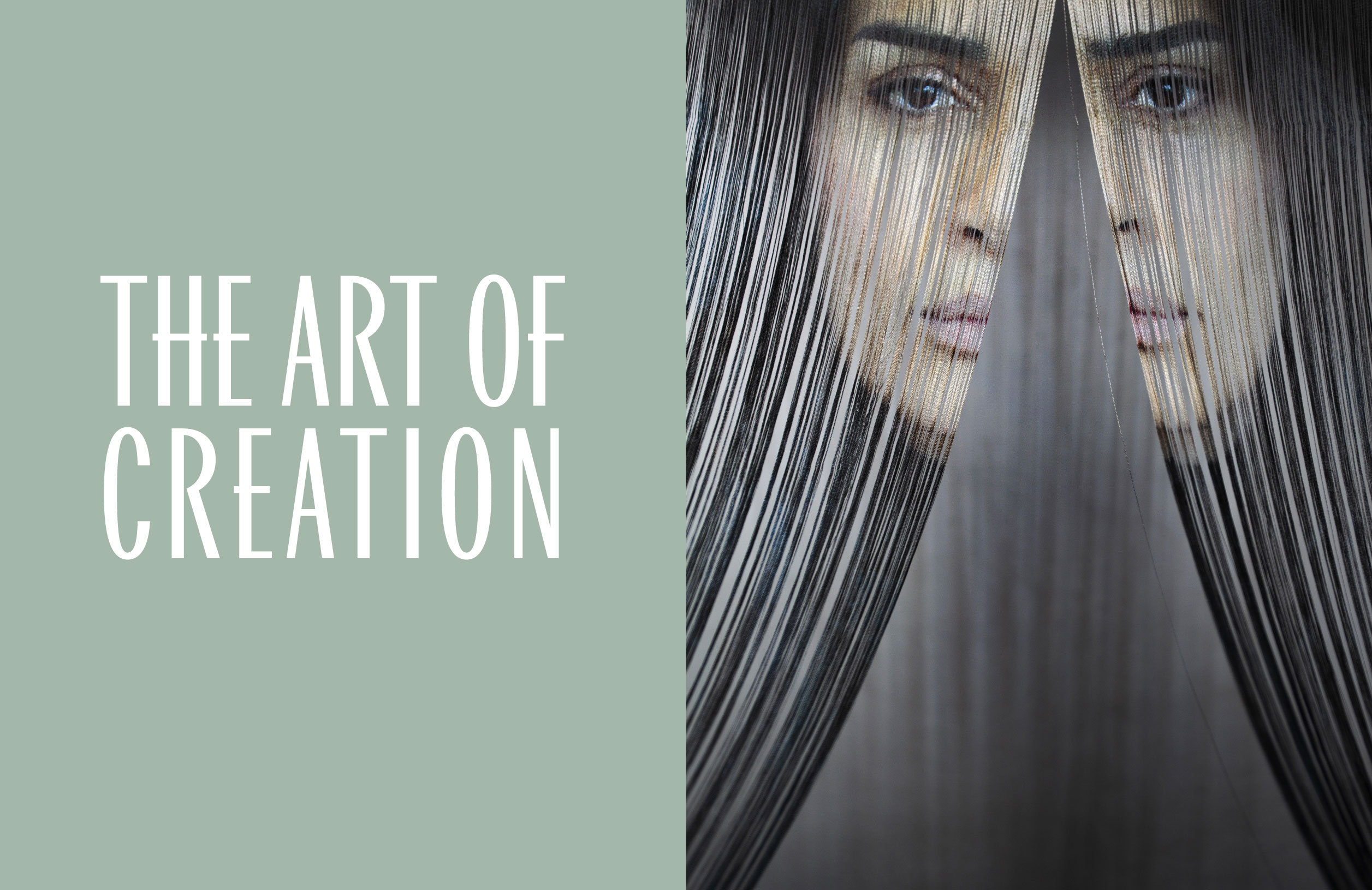
This is how the SCAD Museum of Art unveils its spring season. Not quietly. Not cautiously. But with intention. With international weight. With an artist whose influence stretches across music, performance, film, and technology. Laurie Anderson does not simply headline the season. She defines it.
Daniel S. Palmer, chief curator at the SCAD Museum of Art, lights up when he talks about this season. You can hear it immediately. Opening with Laurie Anderson is not accidental. It signals something. It tells you this spring at the SCAD Museum of Art is aiming high, and fully aware of what it is bringing to Savannah.
Trusted by 70,000+ Savannah Locals
Get the stories, restaurant discoveries, events, and insider recommendations that locals already rely on.
“Laurie Anderson is absolutely iconic,” he says. “So significant to the history of avant garde music and performance from her earlier works in the 70s and 80s, and then has really continued to explore and expand her artistic practice.”
Anderson is not just a musician. She is not just a performance artist. She is a storyteller who bends technology, light, projection, and sound into something intimate. Personal. Disarming.
“It’s so exciting that we have a VR installation, as well as a number of other important installations that really encourage people to think about storytelling and American culture and our kind of interest in nostalgia in this moment in a bit more of an expansive and personal way,” Palmer explains.
That word, personal, keeps coming up.
Because what Anderson brings is not spectacle for spectacle’s sake. It is access. It is vulnerability wrapped in innovation. It is a violin plugged into electricity and memory at the same time.
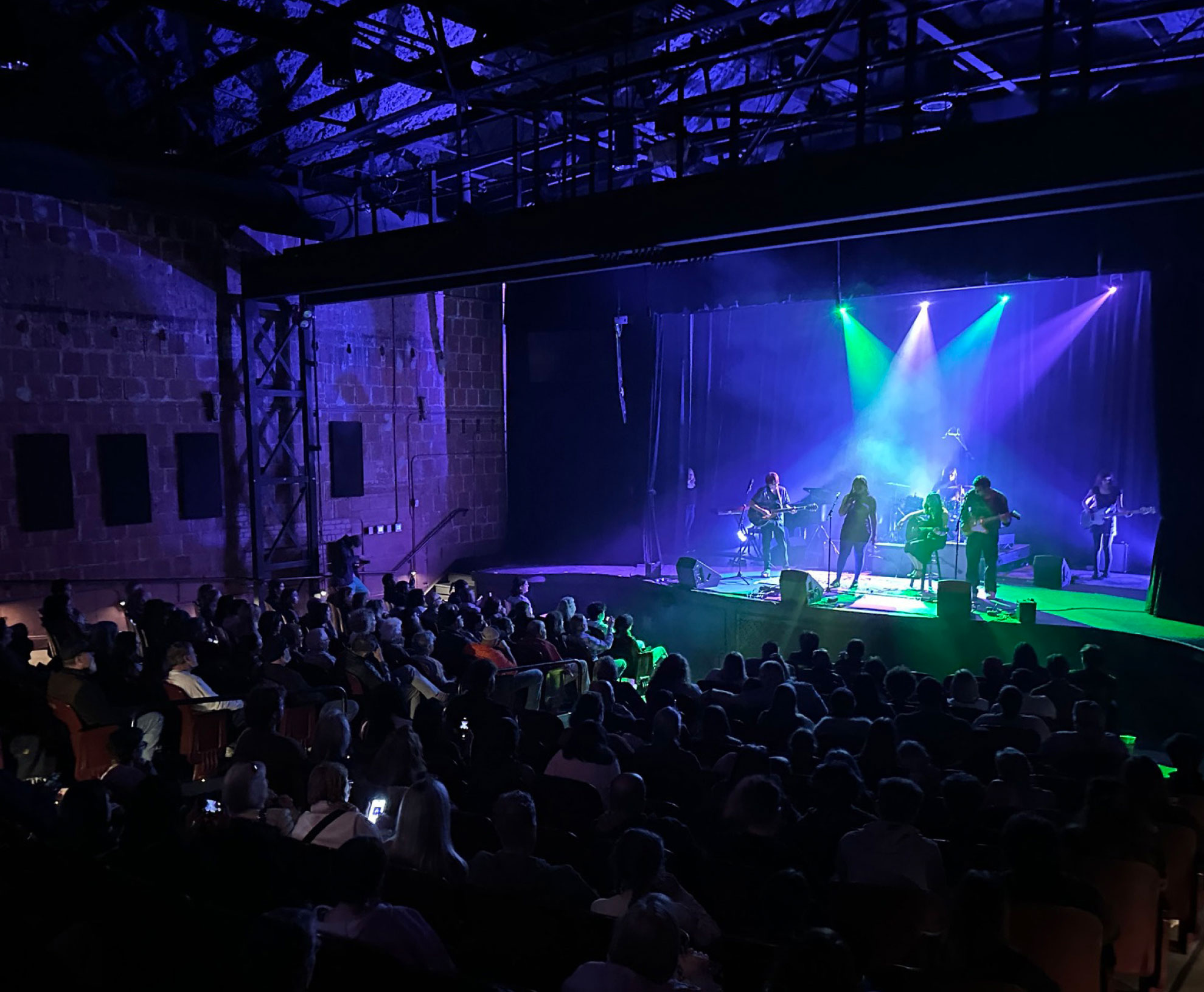
Her performance at the Trustees Theater on February 25 will not be a traditional concert. It will not be a straightforward lecture either.
Courtesy of SCAD
“That’s going to be something that’s almost in between a lecture and a musical performance,” Palmer says. “She’ll be playing her electric violin and using audio loop and musical components, but also talking, incorporating technology and projection and light and sound in really dynamic avant garde ways that are very accessible and kind of bring you in in a really personal, beautiful way.”
Accessible. That matters.
Because avant garde can sometimes feel like a closed door. Anderson opens it. She invites you in. She makes experimental feel human.
Palmer does not hide his excitement about what Savannah is about to experience.
“It’s going to be a really dynamic, really unique and special experience that people in Savannah are going to be talking about for many years to come.”
And that is the thing about this moment at SCAD MOA. It is not just another exhibition cycle. It feels like an arrival.
Alongside Anderson, the museum is presenting a debut U.S. exhibition focused solely on the paintings of Anish Kapoor, the world renowned sculptor behind Chicago’s Cloud Gate, better known as the Bean.
“Anish Kapoor is one of the most important artists working today,” Palmer says. “He’s the sculptor behind the Beam in Chicago, one of the most well known public artworks of our era, and we are so honored to have the debut exhibition solely focused on his paintings here in the United States.”
Fifteen massive canvases. Gestural. Visceral. Physical.
“They’re really all about thinking about the body and the visceral nature of gesture and expression that he puts into creating it,” Palmer explains.
If you have ever stood in front of the Bean and watched your reflection bend and distort, you understand Kapoor’s obsession with perception. These paintings take that conversation inward. They look like eruptions. Like lava. Like blood moving beneath skin. They are not polite.
And in Savannah, displayed against historic brick, they feel almost confrontational in the best possible way.
“It’s the first time it’s happened, let alone the first time it’s happened here in Savannah,” Palmer says. “We’re so lucky to get to showcase somebody of such an international caliber and stature here.”
Courtesy of SCAD
That phrase, international caliber, is not thrown around lightly. And yet here it is. In a city often defined by its past, SCAD MOA keeps insisting on the present.
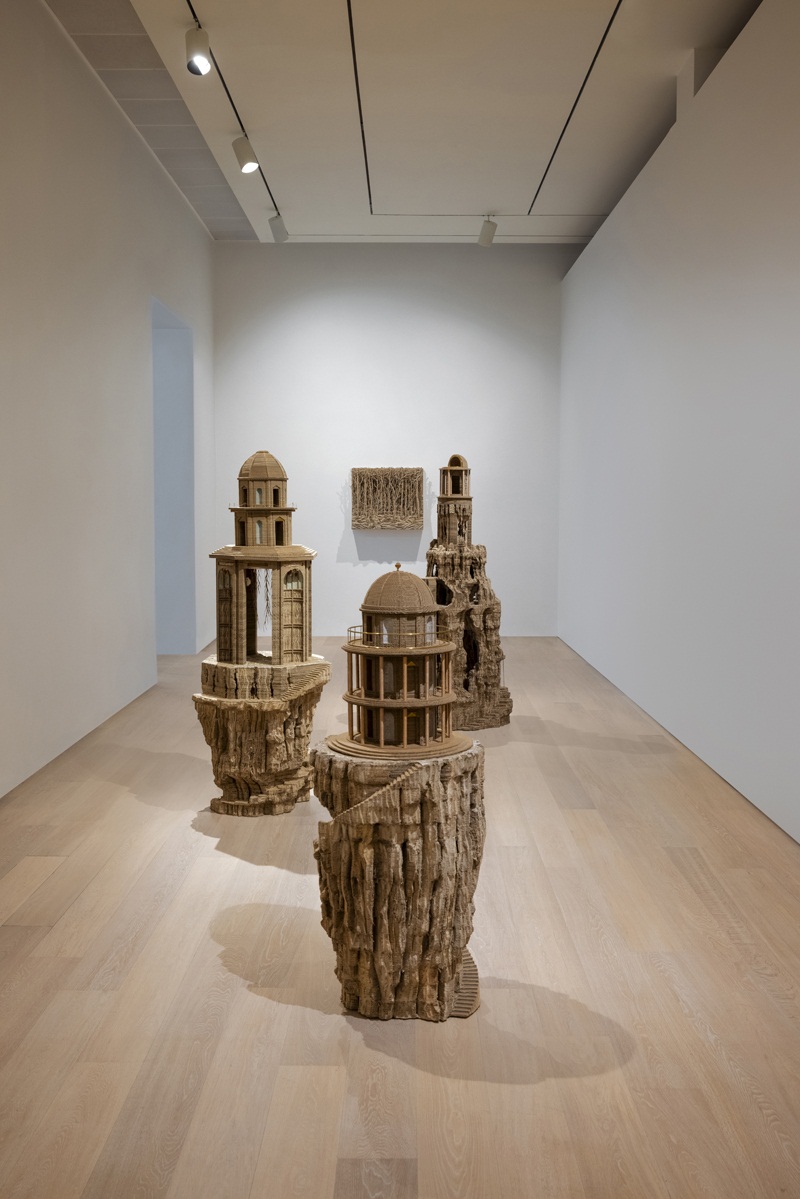
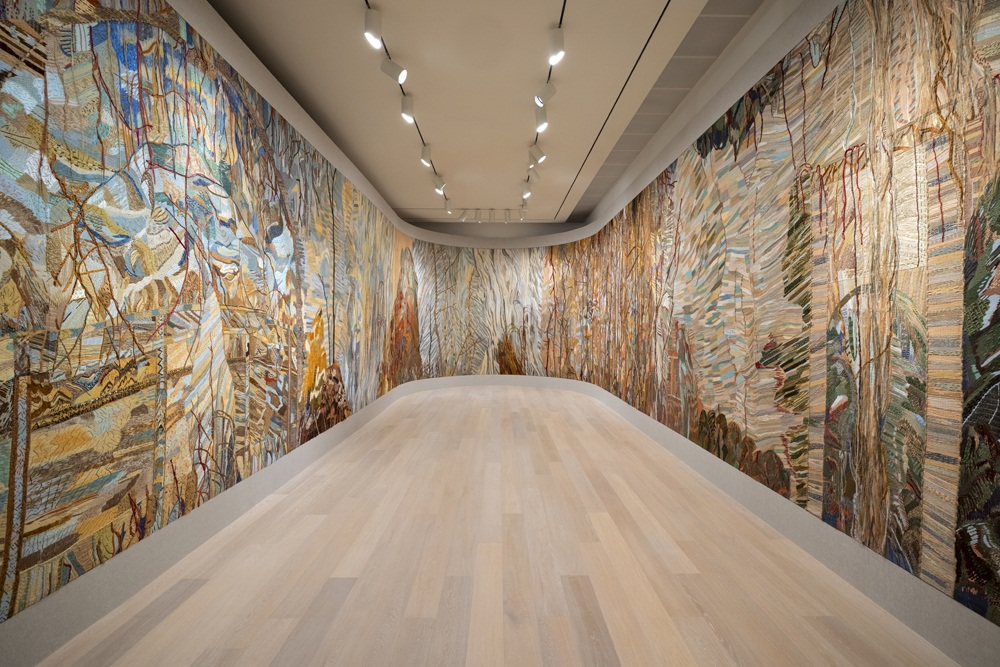
The season also includes the first U.S. museum exhibition of French artist Eva Jospin.
“She’s had major exhibitions at Versailles and in Venice and at many other important European institutions,” Palmer notes. “And yet we are debuting her work here.”
Jospin works in cardboard. Cardboard. The material that arrives on your porch and gets flattened for recycling.
And yet in her hands, it becomes immersive architectural fantasy. Archways. Forests. Silk embroidered rooms.
“She sculpts with that to create transformative, immersive installations,” Palmer says.
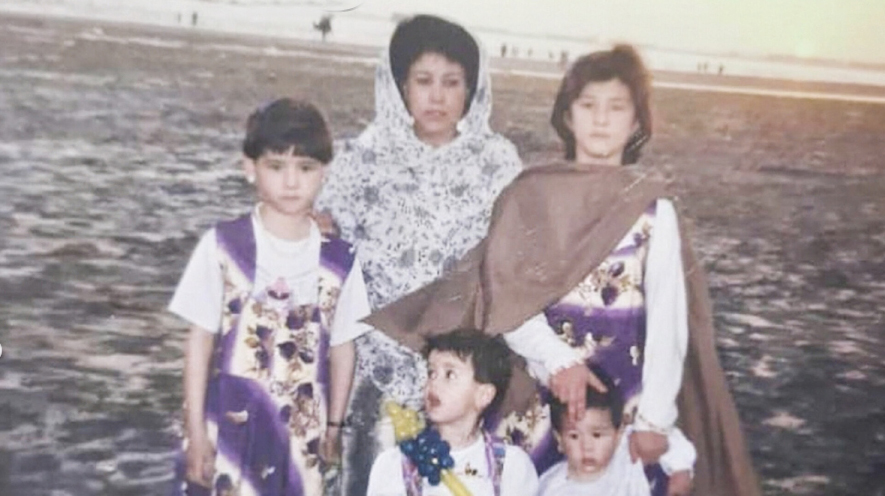
Then there is Farah Al Qasimi, whose large scale photographs spill across vinyl walls and even onto the museum’s exterior jewel boxes.
“A lot of what these photographs are about is this dialog between being born in the United Arab Emirates and coming to the United States,” Palmer explains. “Interior and exterior. Public displays of self and private spaces.”
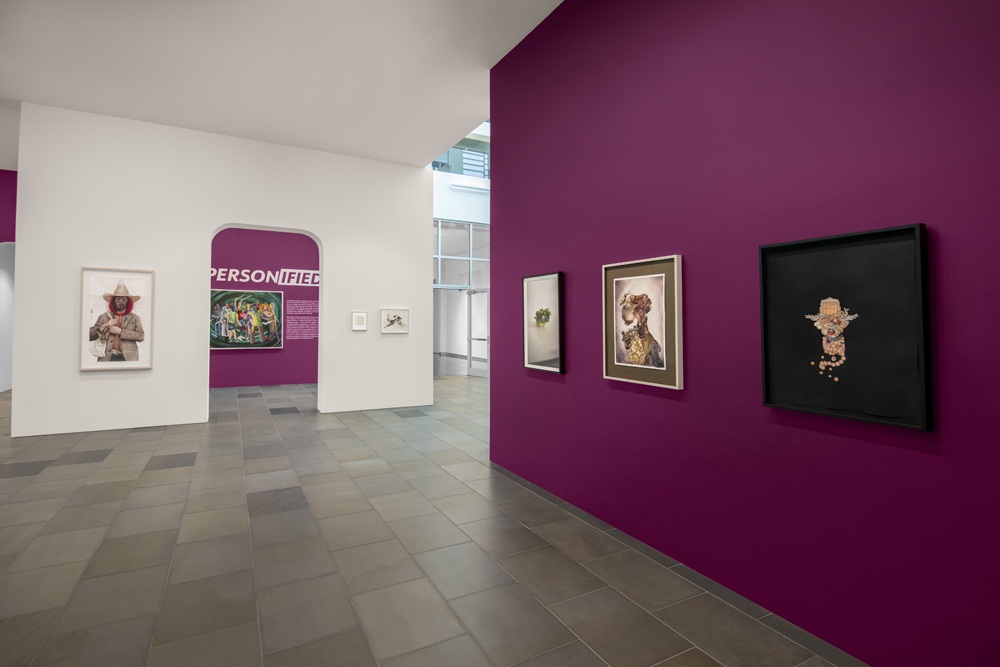
And in the Walter and Linda Evans Center for African American Studies, the group exhibition In Character gathers Black American artists who use the language of comics and animation to explore identity and power.
“For many of these artists, using the vernacular of drawing in a comic book style allows them to reflect on the Black experience in America in ways that are imaginative but also deeply reflective on important societal issues,” Palmer says.
The through line across all of it is boldness. Scale. Relevance.
And then there is the night when the museum throws its doors wide open.
February 24.

Courtesy of SCAD
If you love a party and you care about art, this is the night.
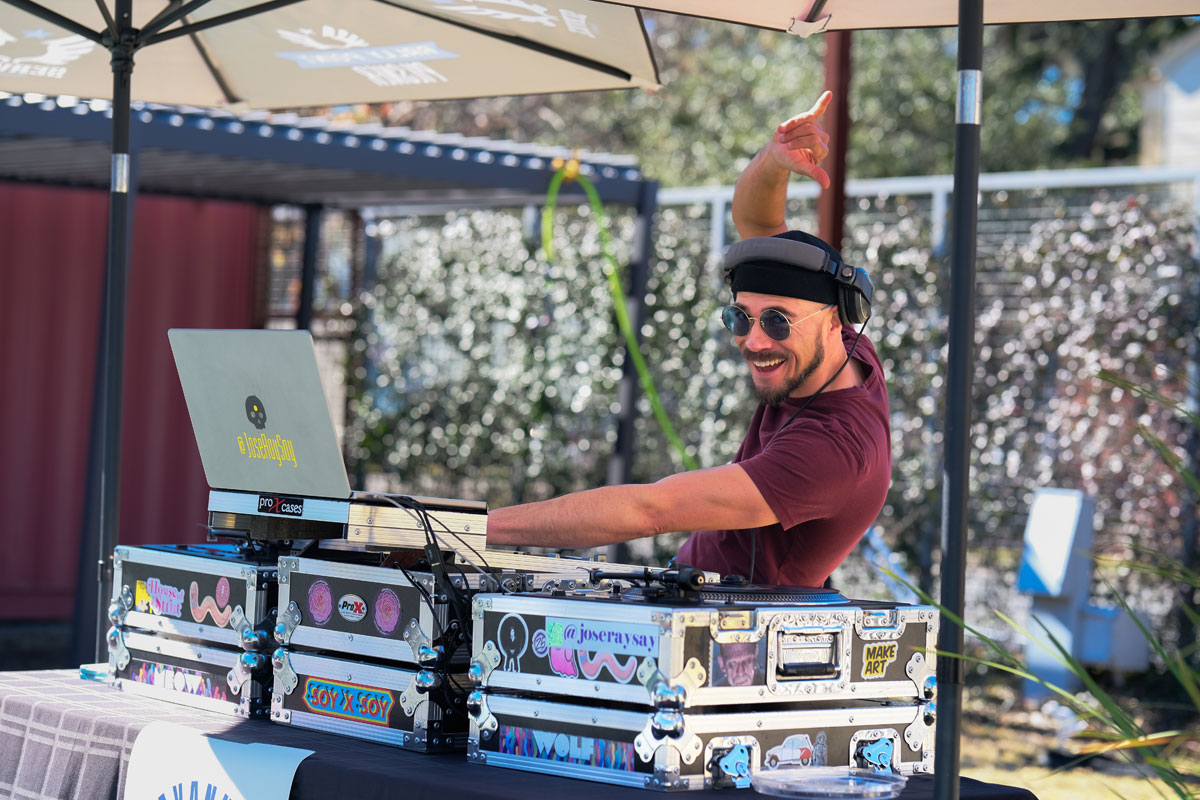
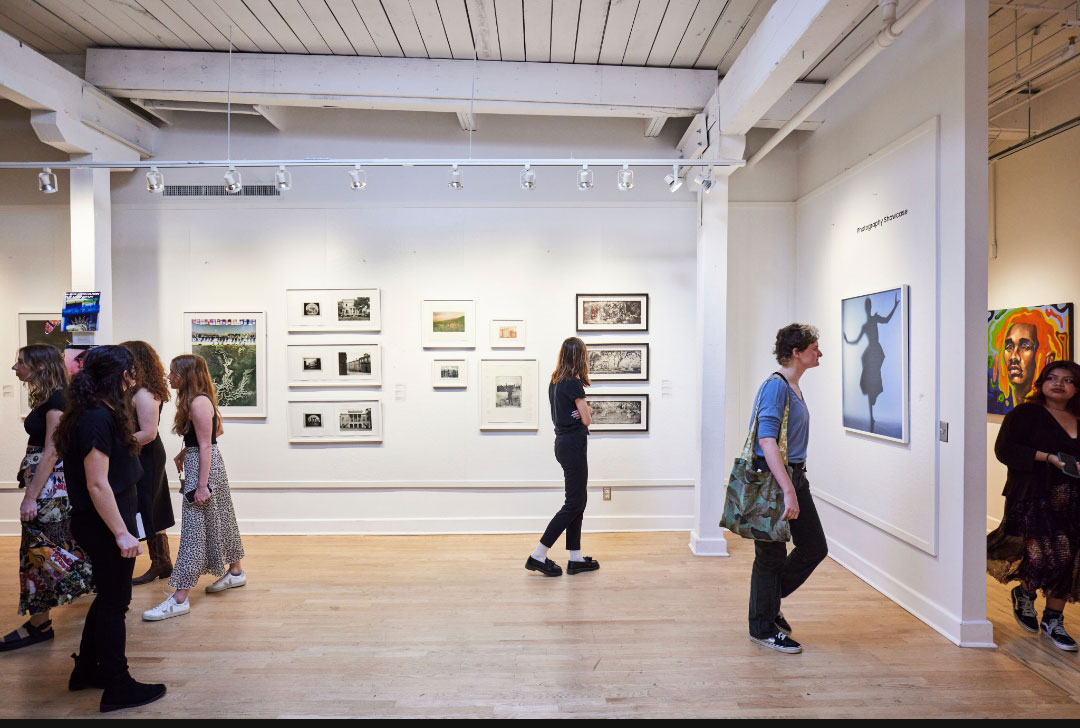
“The museum is really lit up, and everyone is here, excited to be a part of it,” Palmer says. “All the galleries are open, free for the public. We have a DJ in the courtyard. We have what we call the illustration battle, with students drawing on large walls. It’s this fun, energetic thing.”
But it does not stop there.
“We’re going to have a really special performance involving drummers and light effects,” he adds. “The lights are linked up to the drum, so it’s going to be super dynamic and super fun, with incredible drummers activating the space in a really great way.”
Imagine that for a second. Historic brick. Contemporary art. Drums triggering light in real time. A courtyard vibrating with sound and projection. Students sketching on towering walls. A DJ pushing the rhythm forward.
It feels less like a museum opening and more like a statement.
Savannah is not just a city of preservation. It is a city willing to host the avant garde. To invite the global conversation here.
And at the center of that statement this year is Laurie Anderson.
An artist who has spent decades asking what storytelling can be. What technology can do. What memory sounds like when it is looped and layered and stretched across time.
“This is going to be a really unique and special experience,” Palmer says again.
He is right.
Because when someone like Laurie Anderson walks into a historic building in Savannah with an electric violin and a lifetime of ideas, it is not just a performance.
It is a moment.
And SCAD MOA knows exactly what it is holding.
Courtesy of SCAD
An opening reception will take place at the SCAD Museum of Art, Tuesday Feb. 24 at 5:30pm to celebrate the new deFINE ART exhibitions currently on view. For more information, visit scad.edu/defineart.