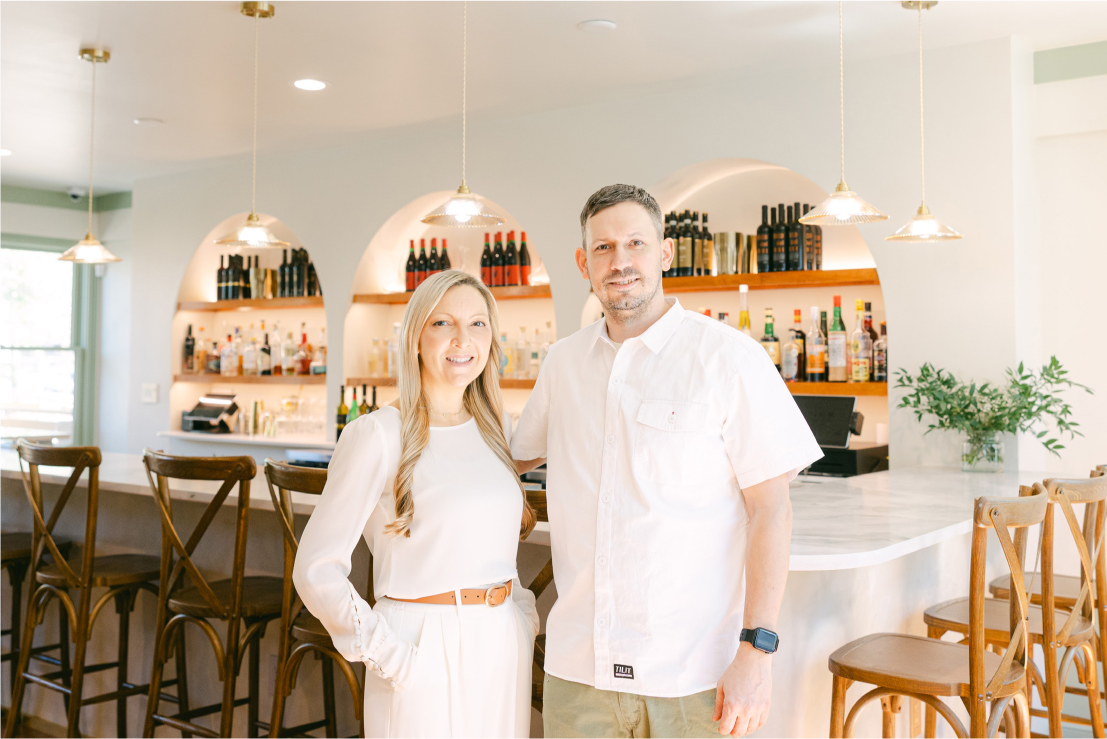
Annie Coleman and Flora & Fauna are the perfect fit.
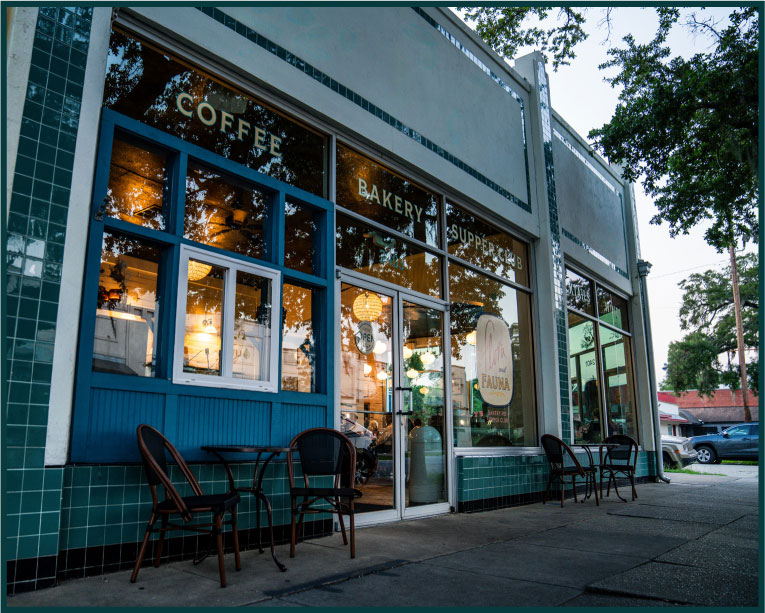
There is a particular calm that settles over Bull Street in the morning.
Before the neighborhood fully wakes up, before the coffee lines and sidewalk conversations, there is the smell. Butter. Yeast. Heat. It drifts out of Flora and Fauna in a way that feels intentional, like a signal to the people who already know.
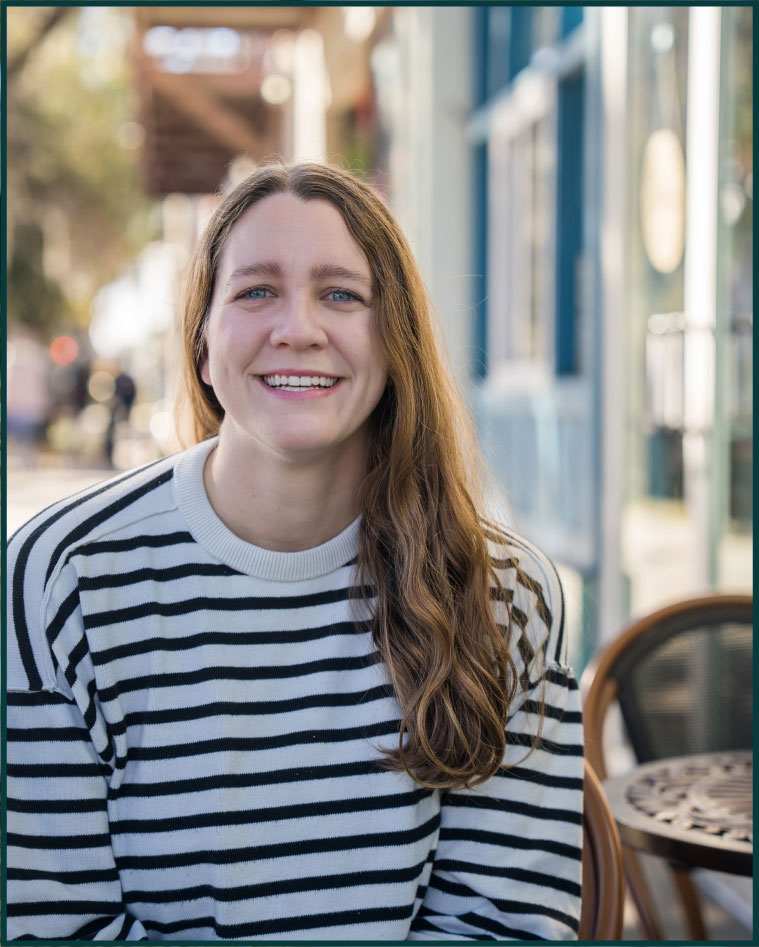
Inside, Annie Coleman is working. “I’ve realized after about ten years that I’m back to bread,” she says. “Back to the simplicity of it. Or the perceived simplicity, because it’s actually very complex.” That sentence tells you almost everything you need to know about her.
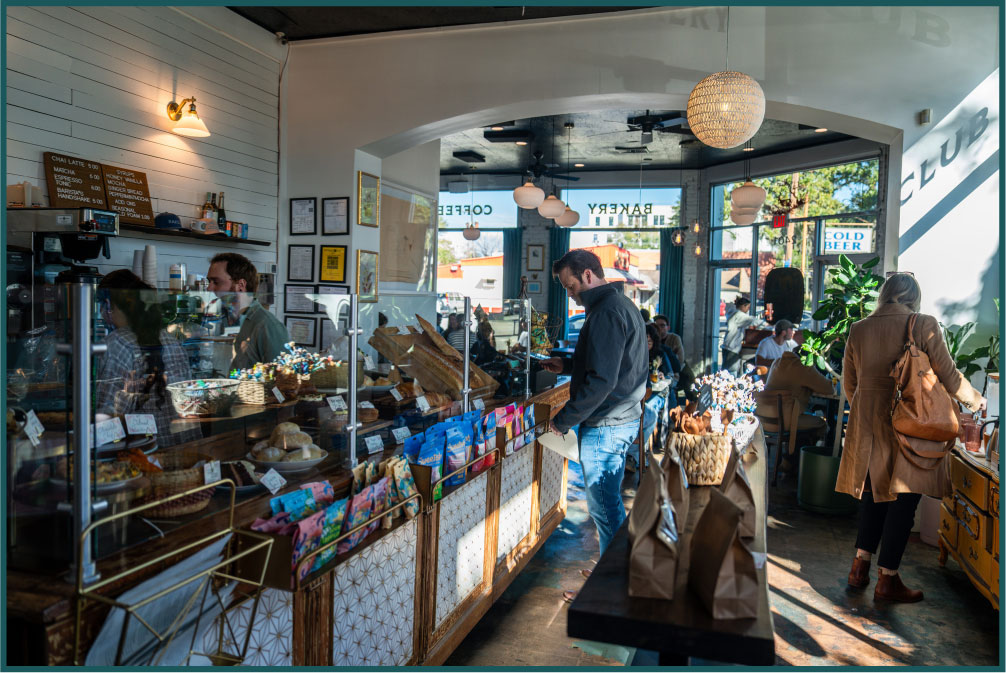
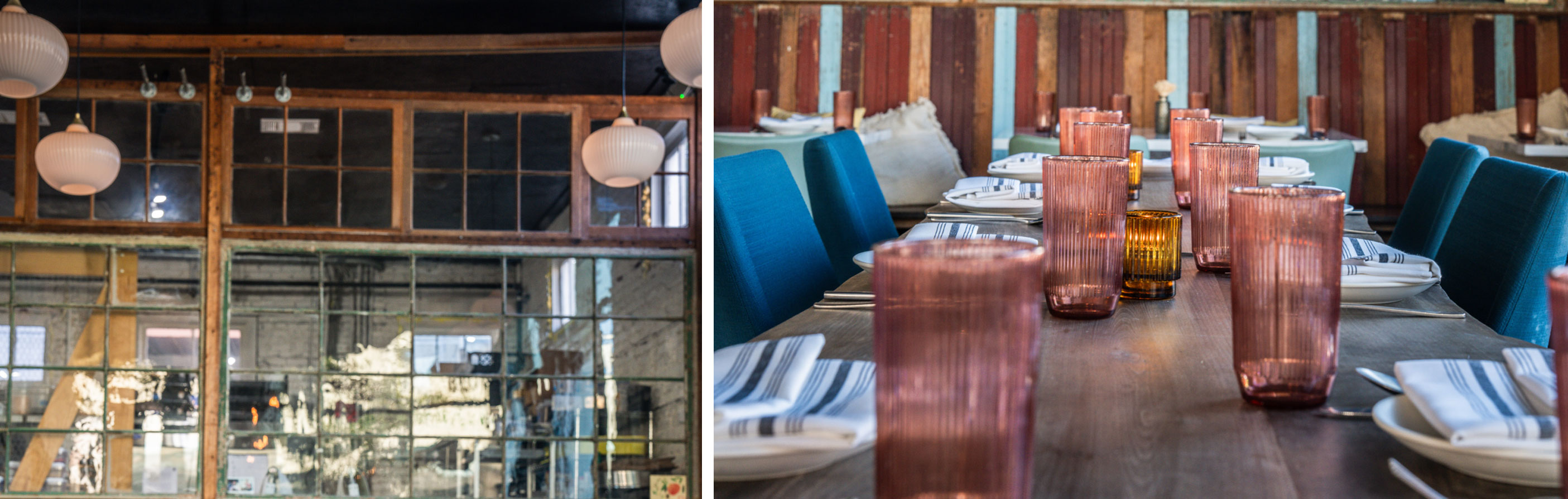
Flora and Fauna has layers. People come for dinner. They come for pastries. They come for coffee, for a seat near the window, for something warm on a cold morning. What most people do not think about, at least not right away, is how the baking program came to be, or why it feels so grounded.
That story starts long before this space, long before Savannah, and long before Annie ever stepped into a kitchen here.
“I’m from South Carolina,” she says. “Just on the other side of the river. My family’s been here a long time, so I have a lot of love and respect for this area, the cultures, the agriculture, the food.” She started working in restaurants in high school, front of house at first, watching how kitchens and farms interacted, sometimes well, sometimes poorly. It stuck with her.
“I started to see the relationships between chefs and farmers,” she says. “And I wanted to carve out a space where those could be positive and fruitful for the whole community.”
That curiosity took her far from home. Culinary school. Baking in France. Years in Washington, D.C., working with chefs who treated sourcing as a responsibility, not a marketing line.
“I wanted to take whatI learned and bring ot back down here,” she says. “And use those skills to support the community I grew up in and love.”
Her path to the Farm Hospitality Group did not come through a job posting or a formal interview. It came through brunch.
While working in D.C., Annie would return south each year for Music to Your Mouth at Palmetto Bluff. One year, the chefs involved were invited to brunch at FARM. Annie and her partner, now husband, OB, went.
“We met Brandon, kept up a little over the years,” she says. “When we moved down here, we reached out just to see what was going on in the culinary scene.”
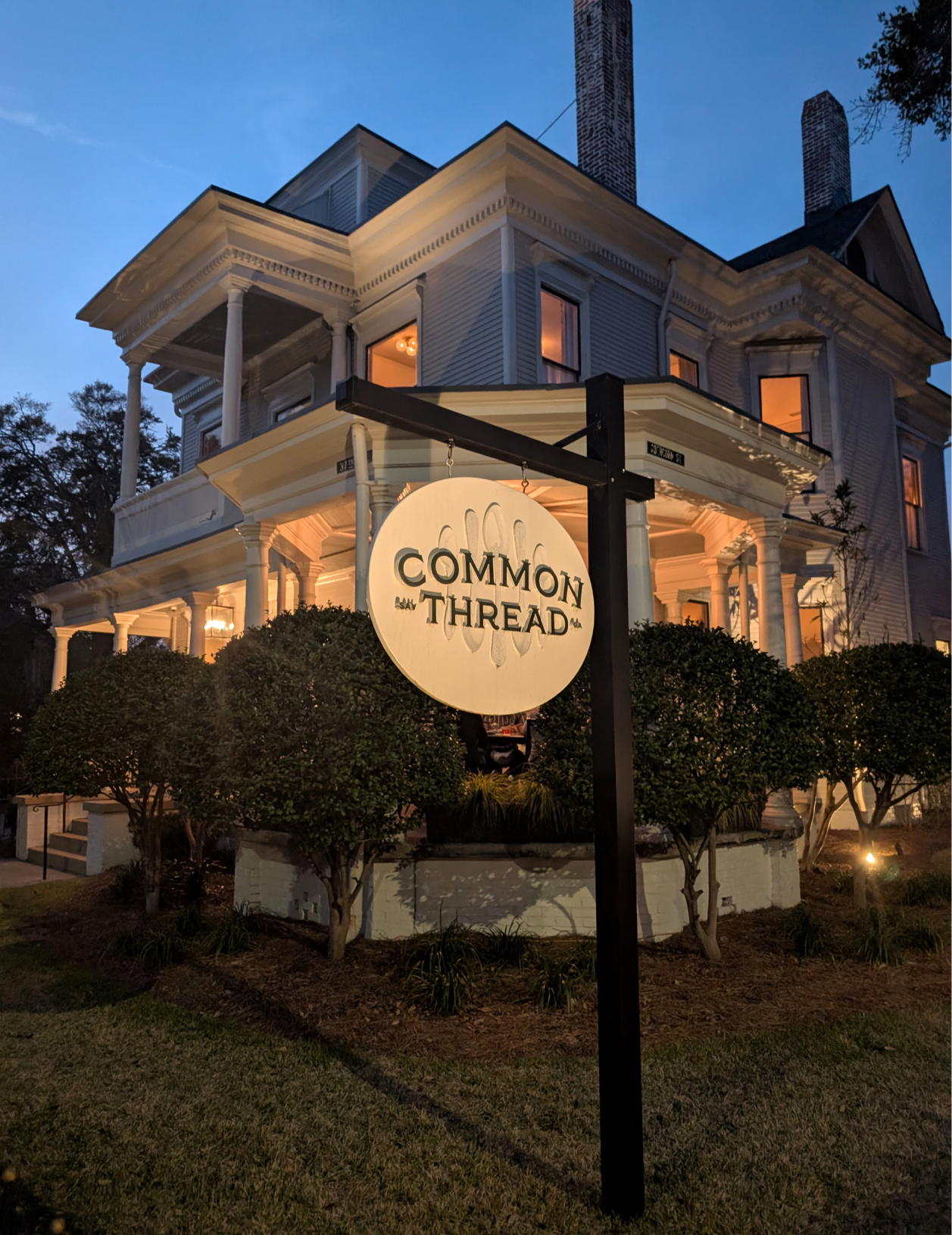
She watched as Common Thread opened. The kind of food she loved to make. Seasonal. Thoughtful. Rooted.
“I felt like we might have a place in the company,” she says.
She joined a few months after moving, helping open Wildflower Cafe, now closed. When Cheryl Day approached the group about selling Back in the Day Bakery and continuing a bakery in that space, Annie’s name surfaced naturally.
“It was a perfect fit,” she says. Perfect does not mean easy. Stepping into that building meant stepping into history. For more than two decades, Back in the Day Bakery shaped Savannah mornings. Biscuits. Cakes. A rhythm that locals trusted. Annie knew exactly what that meant.
“It was very intimidating at first,” she admits. “There were days early on where I wished Cheryl would just walk in and start making biscuits for us.”
Their first real introduction came quietly, through a mutual friend.
“I finally worked up the nerve to introduce myself,” Annie says. “And Cheryl said, ‘I know who you are. I’ve been trying to get Brandon to buy this place so you can come in and bake.’”
There are moments that change the trajectory of a career. That was one of them.
“I really felt the weight of that trust,” Annie says. “She put a ton of faith in us.”
Cheryl felt it too. “After 22 years on Bull Street, we wanted to be sure the space would be in good hands,” Cheryl says. “Passing the baton wasn’t something we took lightly. Chef Annie stepped into the space understanding the legacy she was inheriting, and she has brought her own thoughtful voice and vision to it.”
That balance is what defines Flora and Fauna’s baking program now. It does not try to recreate the past. It honors it.
“We’ve been here almost two years,” Annie says. “I think we’ve created our own identity while still honoring what came before.”
Her identity is clear if you pay attention. Bread first. Seasonal expression. Precision without showmanship.
“I definitely see myself as a baker,” she says. “I started in bread baking. I went into pastry, restaurant pastry, but after all these years, I’ve come back to bread.”
Part of that is philosophical. Part of it is practical.
“I’m a new mom,” she says. “Baking shifts make sense for my life right now. We have a great team that handles dinner service, and I trust them completely.”
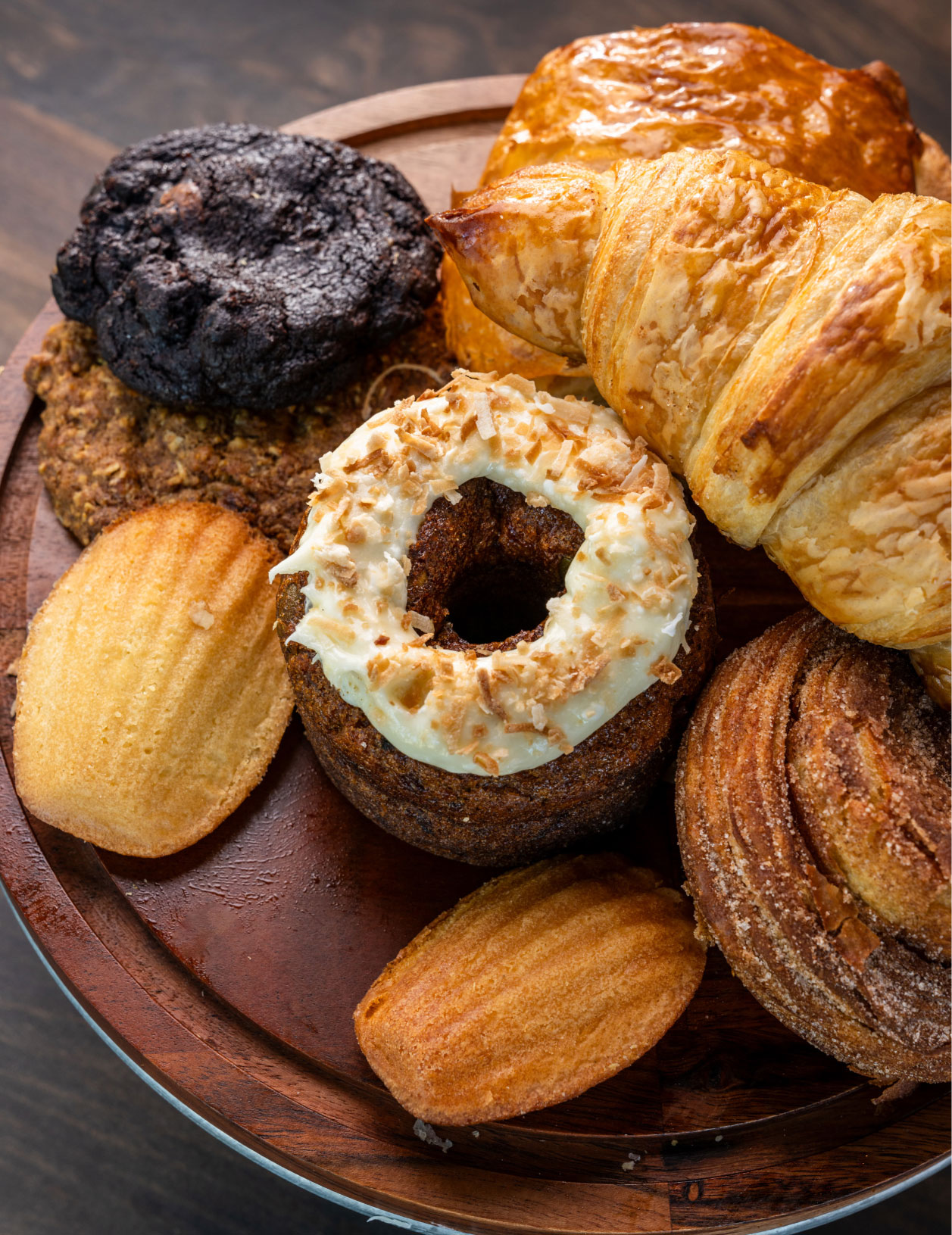
Trust is a recurring theme here. It shows up in the details. The croissant hot dog that appeared over the summer after a trip to D.C. “We had a really good hot dog croissant up there,” she says. “One of those moments where you think, we have to do this.”
It shows up in the pimento cheese straws, made from croissant trim. “We don’t like to waste anything,” she says.
“So we sheet the trim back out, fold it together, twist it up. It’s a French technique applied to something very Southern.”
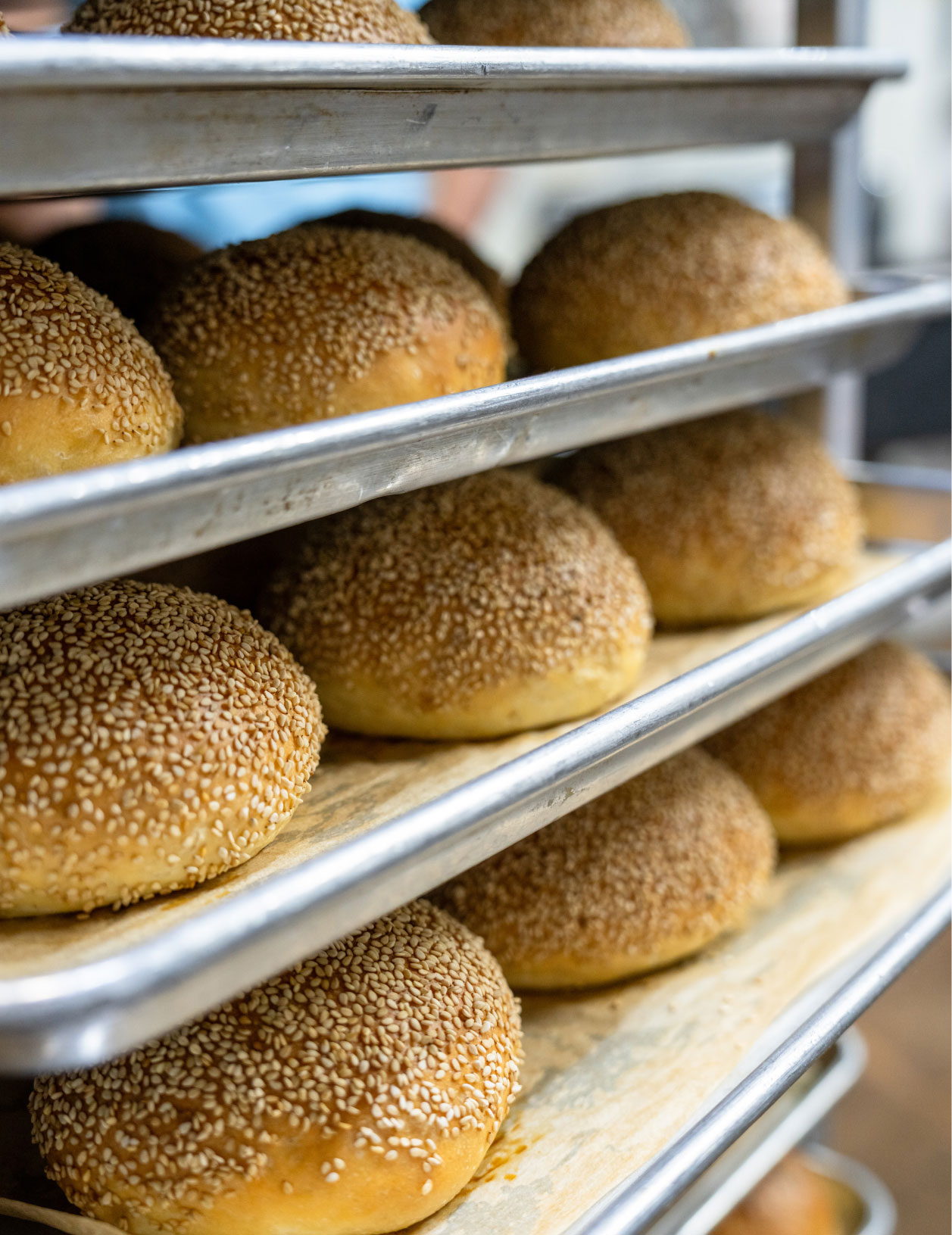
It shows up in who buys the bread. Brochu’s. Lucia Pasta Bar. Garden Square. Uncle June’s.
“It’s incredibly gratifying,” Annie says. “When the people you respect are serving your bread, it feels like confirmation.” She pauses. “It feels like we’re doing something right.” Flora and Fauna is, at its core, a neighborhood place. Not because it says so, but because it behaves that way.
“This time of year slows down,” Annie says. “And you really start to see who your regulars are.”
She does not frame that as a problem. “It’s nice to see the base of the business,” she says. “To create a space where people can come in, warm up, relax. Especially when it’s cold out.” The bakery team reflects that stability. “Almost everyone here has been with us at least a year,” she says. “I’m really proud of that.”
Pride without ego. Confidence without noise. That may be the defining quality of this place. Annie looks around the space, at the people she works with, at the neighborhood she grew up near and returned to on purpose.
“I’m just grateful,” she says. “For the team. For the guests. For the chance to do this the right way.”
And that might be the most Savannah thing about it. Not the building. Not the legacy. Not even the food, as good as it is. It is the quiet understanding that trust, once earned, is the most important ingredient of all.