

Don Was, and Bob Weirs Masterclass on Fearlessness
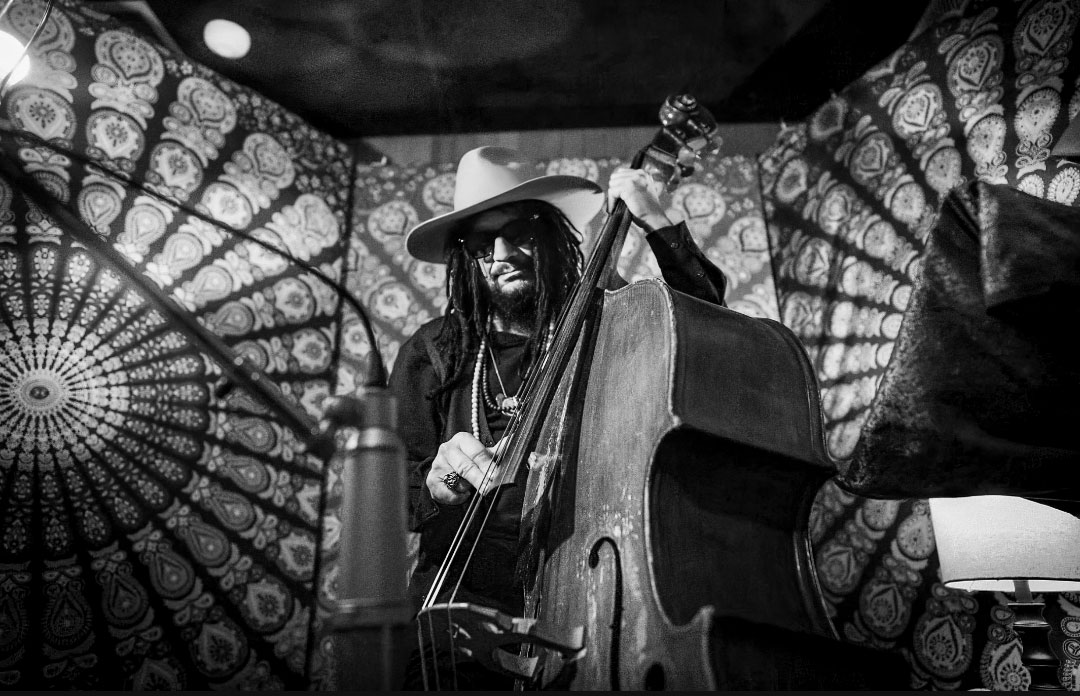
You don’t win six Grammys by being afraid. But fearlessness is often mistaken for confidence, volume, or bravado. Standing next to Bob Weir night after night, Don Was learned something sharper and harder to practice. Fearlessness is stepping into uncertainty without armor, removing the safety net, and staying present when you have no idea what comes next.
“When Bobby called me to play with him in 2018,” Was said, “a big part of the allure was the opportunity to take a masterclass in fearlessness.”
That word, masterclass, matters. Because this was not theoretical. It was lived. It was practiced in real time, in front of thousands of people, without a script.
“This is a guy who would go out on stage routinely without a clear idea of what he was going to play that night or how he was going to play it,” Was said. “He just stayed in the present and let it happen.”
For Bob Weir, unpredictability was not a flaw. It was the point.
“If there was a train wreck, the audience was forgiving,” Was continued. “They knew it was done in service of creating a unique experience. And when everything connected, when the conversation inside the band was flowing, you could feel the audience’s energy coming back to the stage. It would literally change the notes you played next.”
In those moments, fearlessness became communal.
“The audience became a member of the band,” Was said. “Every night was a different adventure because every audience is different.”
That experience did more than reshape how Don Was approached live performance. It rewired how he thought about music, leadership, restraint, and ultimately, life. To understand why, you have to understand what he believes matters most.
“I think songs and storytelling are the whole ball of wax,” Was said. “If you don’t have that, you really can’t make a good record. It doesn’t matter how good you sing or how well you play your instrument. Without good songs, without a story to tell, you don’t have anything.”
Then he widened the frame.

“And it doesn’t have to be a vocalist telling the story. John Coltrane told stories. Charlie Parker told stories. Instrumentally, you can still speak to people. But if you don’t have something meaningful to say, you just end up with a mediocre record.”
That belief has shaped every decision Was has made as a producer, including the uncomfortable ones. Especially the uncomfortable ones.
“I hear the songs before I ever commit,” he said. “That’s part of what a producer is supposed to do. If the songs aren’t there, you suggest finding better songs. Not to suggest that is irresponsible. Professionally irresponsible.”
In an industry built on access and momentum, that stance requires a particular kind of fearlessness.
“If there’s a disagreement about the quality of the songs beforehand,” he added, “then you’re probably not the right producer for the album.”
That clarity was forged early, during a moment that tested whether he would be a fan or a professional.
“I was producing Bob Dylan,” Was said, “and we had George Harrison come in to play on some tracks.”
Dylan, amused by the moment, decided to push things.
“George hadn’t heard the song. He hadn’t tuned his guitar. We hadn’t spent time getting a sound. Bob just cued up the solo section and said, ‘Okay, play.'”
George Harrison, one of the most revered guitarists in the world, did what he could, figuring out the key as he went.
“When he finished, Bob said, ‘That’s it. We’ll keep that.'”
Harrison panicked.
“He turned to me and said, ‘What do you think, Don?’ Then Bob turned to me and said, ‘Yeah, what do you think, Don?'”
Time slowed.
“I remembered trying to sell my car so I could buy a ticket to the Concert for Bangladesh,” Was said. “And suddenly George Harrison is sitting three feet away from me, asking my opinion.”
Then came the voice in his head.
“He’s not paying you to be a fan.”
“So I turned to George and said, ‘That was good. Why don’t you tune up and we’ll try another one and see if we beat it.'”
No theatrics. No deference. Just responsibility.
“I was responsible to Bob to make the record as good as I could make it,” Was said. “That was my job.”
That sense of responsibility, of knowing when to speak and when to stay out of the way, became central to his work, especially during his collaborations with Bonnie Raitt.
“The goal of that album was intimacy,” Was said, speaking about Nick of Time. “We wanted it to feel like you were riding in a car, old bench seats, and Bonnie slides over and sings in your ear while you’re driving.”

The song “Nick of Time” was originally recorded with piano, bass, and drums.
“The piano sound was actually terrible,” Was admitted. “Hollow. Thin. Technically awful. It was meant to be a placeholder.”
They tried to replace it.
“Every thicker, warmer sound we tried got in the way of her vocal,” he said. “That ugly piano sound stayed out of the way of the story.”
Then came the instinct to fill the space.
“We brought in four or five incredible guitar players. Absolute killers. Tried horns. Tried everything.”
None of it worked.
“Everything we added distracted from the point of the song,” Was said. “And the point mattered.”
Bonnie Raitt was singing about aging, about time running out, about parents getting older, about wondering if love was still possible.
“At that point in rock and roll, if you were forty, you still had to pretend you were eighteen,” Was said. “That song was brave.”
So they removed things. Again and again.
“We kept pulling stuff out,” he said. “Even if it was a cool lick. If it fought the lead vocal, it had to go.”
That process crystallized a philosophy that echoed what he was later learning onstage with Bob Weir.
“Staying out of the way is sometimes the most important thing you can do,” Was said. “Leave out everything that isn’t necessary.”
Fearlessness, in this sense, is not about adding. It is about subtracting.
That lesson took on deeper meaning after loss.
“I found out Bobby had passed about thirty minutes before we went on stage for the first show of a six-week tour,” Was said.
The shock was paralyzing.
“I didn’t feel like playing at all.”
Then memory intervened.
“Bobby once told me about the night Jerry Garcia died,” Was said. “He had a gig in New Hampshire and went out and played. He said the best way to soothe grief is by playing good music for people.”
So Was did the same.
“I went out and told the audience Bobby had passed,” he said. “I told them that story. And I could hear him in my head saying, ‘Get out there and fucking play.'”
The shows changed.
“They became communal gatherings,” Was said. “People trying to find comfort together.”
Music became essential again. Everything else fell away.
“It’s really only on the days off that I’ve had time to even begin thinking about what life without him means,” he said.
Fearlessness, he learned, also means allowing grief to exist without rushing to resolve it.
What Bob Weir ultimately gave Don Was was not just a model for live improvisation, but a way of being.
“When I started playing with him, I wanted to learn how to stifle self-consciousness,” Was said. “How to stay present.”
He paused.
“It’s a practice. You never fully get there. But you get better.”
That practice now informs everything he does.
“We leave a lot unplanned when we play now,” he said. “Even if we play some of the same songs, we play them differently every night. That’s the mission.”
Fearlessness is not about knowing what will happen. It is about trusting the moment enough to let it lead.
And sometimes, the bravest thing you can do, in music and in life, is to remove everything that does not belong and stand exposed in what remains.
Don Was is currently on tour with Don Was and the Pan-Detroit Ensemble. The live set features music from Groove in the Face of Adversity along with a full performance of Blues for Allah in celebration of the album’s 50th anniversary.
They’ll be performing at District Live in the Plant Riverside District on February 7, 2026.
About The Author
Brett Bigelow
Related posts:
 Susanna Kennedy Mesmerizing
 What to Do in Savannah, February 23 to March 01, 2026
 The Geography of Grit: Joanne Shaw Taylor on the Soul of the Blues
 Fred Armison: Victory North Preview
 Savannah’s Surprising New Music Venue: Bowl and Brew
 Matisyahu: Sound, Spirit, and the Art of Making What You’d Actually Wear
 20 Questions with Steve Baumgardner
 Molly Tuttle Brings the Highway to Victory North
 10 Questions with Mike Baggetta of MSSV: El-Rocko Lounge Show Preview
 Savannah’s Chuck Courtenay takes District Live stage.
 20 Questions with Kevin Rose
 A New Overture: Sinisa Ciric Takes the Helm at the Savannah Music Festival
 Beneath the Surface: How Bowl & Brew is Redefining Broughton Street entertainment
 Chefs + Farmers: Eat Well. Drink Well. Do Something Good.
 The Ice Tub Club
 Darling Oyster Bar
 Austin Snell Comes Home: Family, Truth, and a Friday Night in Savannah
 Live from Ellis Square. Lucero at Pepsi Savannah Local Eats Fest
 The Art of Creation
 A Portrait of Persistence: The Art of Jayce Hall
 John Mulaney: The Return of a Sharp Mind
 Laurie Anderson Leads the Charge at SCAD MOA
 Savannah Showed Up: How this new restaurant was welcomed with open arms
 Savannah Shows Up: How this new restaurant was welcomed with open arms
 Lucia Pasta Bar & The Art of Feeling Right at Home
 Savannah’s Coolest Block
 Come Cheer On Your Team at the SEC Volleyball Tournament at Enmarket Arena
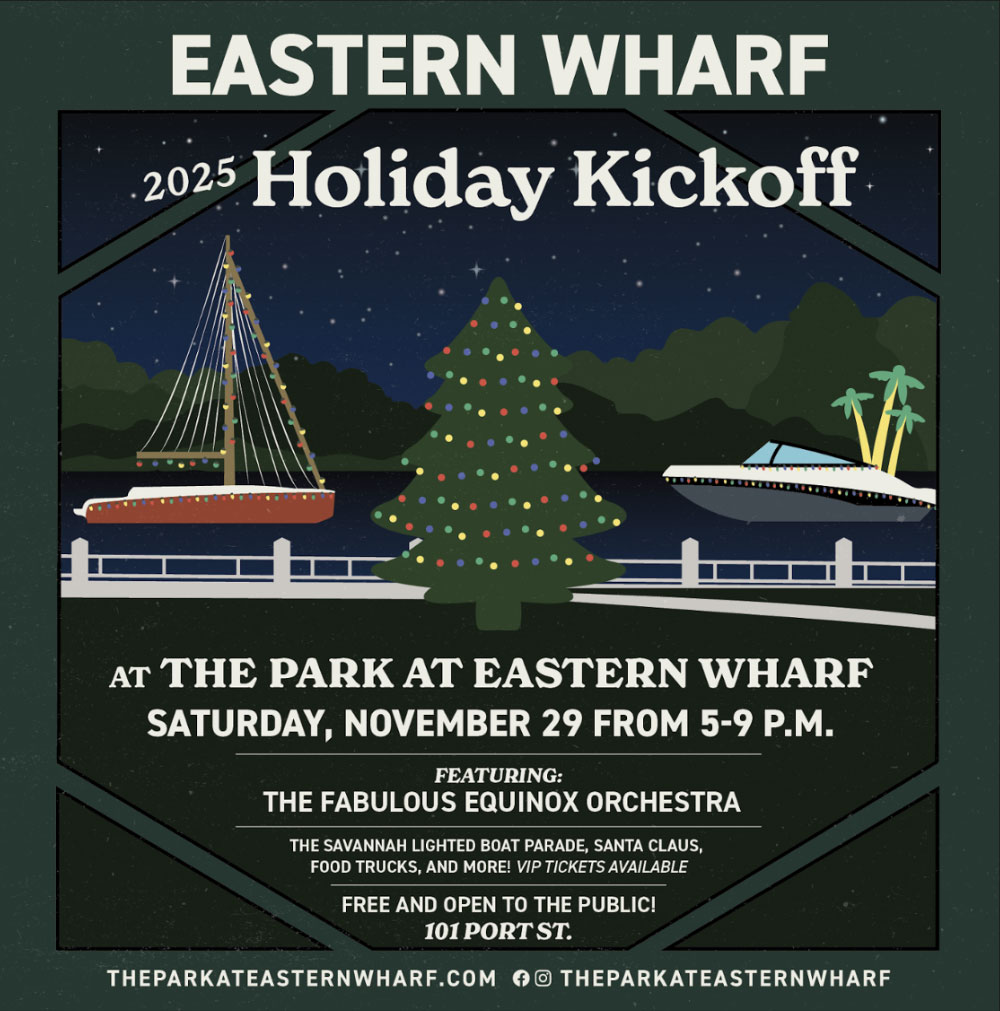 Eastern Wharf Opens the Season on the River
 Bleak, Beautiful, and Honest: Randall Patrick’s Savannah
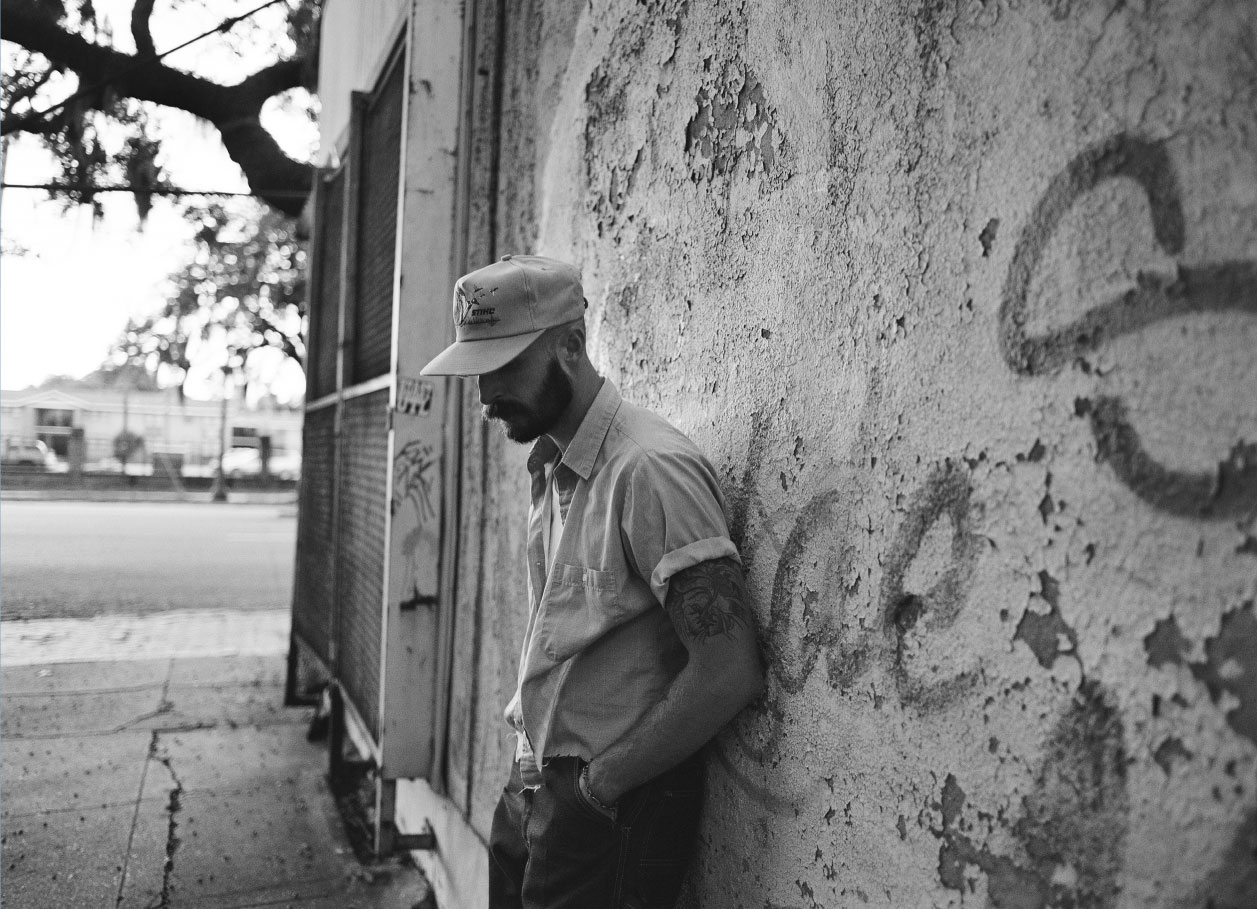 Randall Patrick
 Isbell’s Heartfelt Honesty Closes Savannah Music Festival with Power
 Concert Review: Billy Strings Turns Enmarket Arena Into a Bluegrass Revival
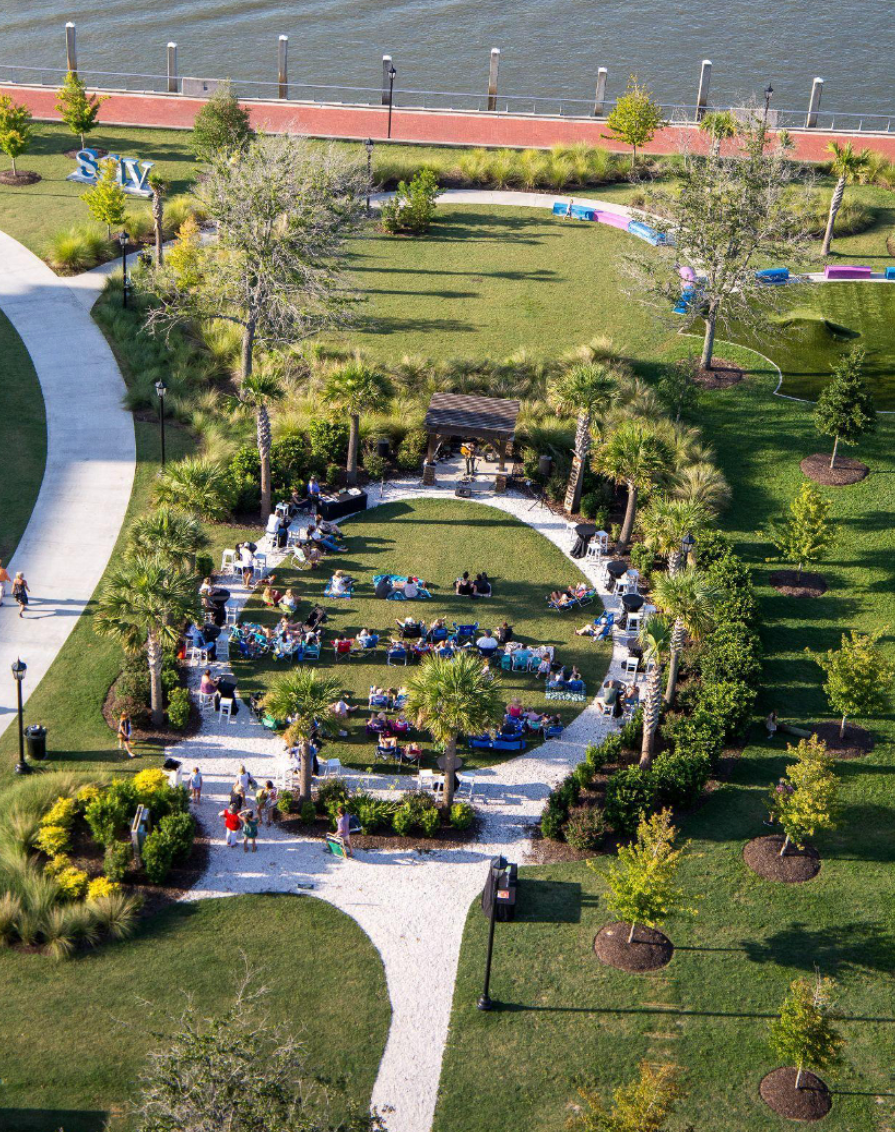 Santa’s Grotto Opens at Eastern Wharf: A Riverfront Holiday Haven for Savannah Businesses
 After Last Call: Savannah’s Late Night Savior
 Savannah’s Culinary Revolution: Fleeting’s Guest Chef Pop-Ups
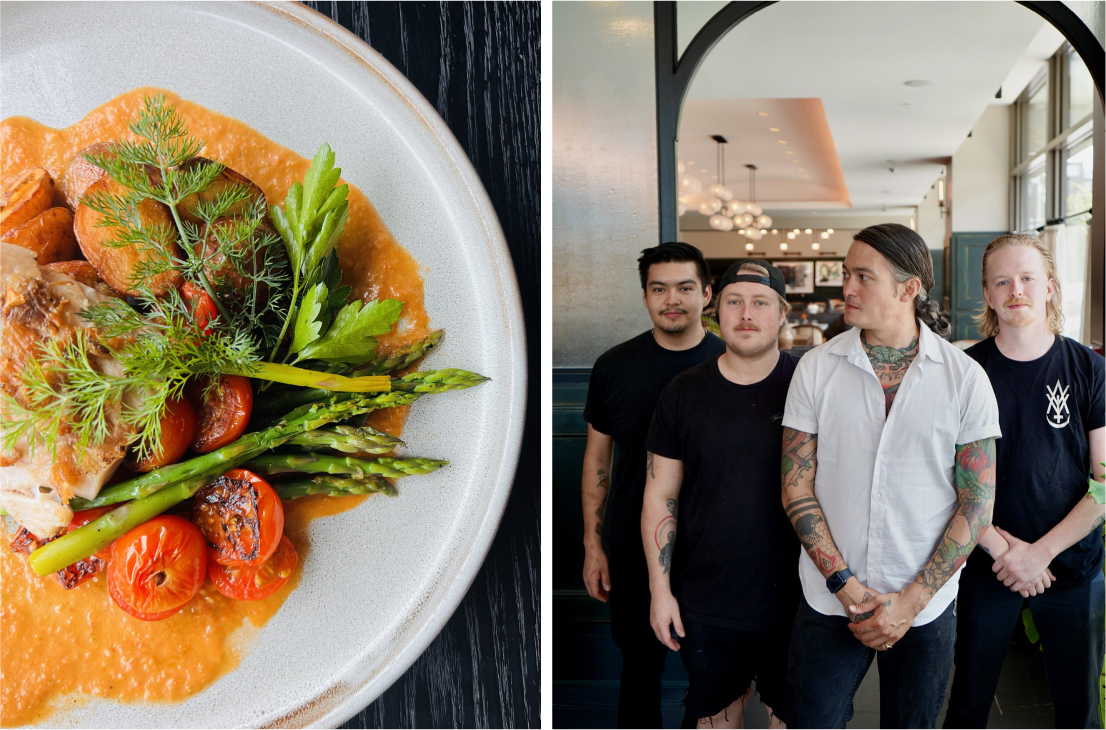 Pop Up Revolution: Inside Fleeting’s ever changing table
 Striking Creativity with Vintage Matchbook Art
 Savannah Photo Club: Like a community focused on love and family.
 Foxtail Coffee Co. Opens in Savannah
 Salt, Soul, and Sea Wolf
 From Afghanistan to SCAD: Afghan Sisters Escape Taliban in ‘One Step Away.’
 SCAD Savannah Film Festival Wraps Another Incredible Year
 Broughton Street Revival
 Chalk, Charm, and a Whole Lot of Color: SCAD’s Sidewalk Arts Festival Returns to Forsyth Park
 Birria Beyond Borders: How One Spot in Savannah Became a Culinary Crossroads
 Municipal Grand: Savannah’s New Living Room
 Brochu’s Sour Hour: Where hip, fun, and food collide
 Meet Chef Chino
 Savannah For Morons: The Comedy Trolley Tour That Will Have You in Stitches
 From peaches to oysters? Georgia’s newest culinary trend.
 Baby’s General Store Opens
 Why does Savannah Made Simple Magazine exist?
 COMMON THREAD & Savannah’s Culinary Awakening
 Untitled Bar
Categories: Article
Tags: , #Georgia, #Savannah GA, #Savannah Tourism, #Visit Savannah, Savannah, Savannah Georgia






About Magazine:
Savannah Made Simple Magazine will serve as your curated Savannah guide. We are here to curate happiness, one plate at a time, one concert at a time, one interesting human at a time. one festival at a time, and so much more, in a city where we can celebrate its unique culture and creativity.